

In many Filipino homes, the day begins with familiar questions: how much rice to cook, what ulam can stretch until tomorrow, and whether there is enough left for dessert or merienda.
Standing in a market, one may want to serve fish, vegetables, and fruit. But when galunggong approaches ₱300 per kilogram and some vegetables cost more than ₱100 per kilogram, the healthier choice is not always the easier one.
The question becomes less about nutrition labels and more about math: What can feed the family today without leaving nothing for tomorrow?
Eating well should not be a luxury. Yet for millions of Filipino households, the cost of a nourishing diet remains one of the most difficult parts of daily life.
When the Budget Decides What’s for Dinner
A healthy diet does not have to be fancy or expensive. Good nutrition begins with balanced portions of protein, vegetables, fruits, and other nutrient-rich foods that support the body and overall health.
But for many Filipino families, eating well is not just a matter of knowing what belongs on the plate. It is also a question of what they can afford to put there.
A 2025 discussion paper by the Philippine Institute for Development Studies (PIDS), drawing on data from international sources, estimated that 48.1 million Filipinos could not afford a healthy diet. The challenge extends beyond nutrition to food security. In its September 2026 survey, Social Weather Stations (SWS) found that 22.6% of Filipino families had experienced involuntary hunger—being hungry and having nothing to eat—at least once in the preceding three months.
These figures put the conversation about healthy eating into perspective. For many Filipino families, the question is not simply which foods they prefer, but which foods their budget allows them to buy.
READ: Healthy Eating: The Nutrition Advice That Has Outlived the Fads
The Rising Cost of Everyday Nutrition
Rice remains a staple for good reason: it is familiar, versatile, and can feed several people. But when protein, vegetables, and fruits become harder to afford, putting together a balanced meal becomes more difficult.
The impact can be seen in the cost of everyday ingredients. In Davao, galunggong averaged ₱280 per kilogram in early August 2026, up from ₱176.67 a year earlier, according to Philippine Statistics Authority data reported by SunStar. Some vegetables also cost more than ₱100 per kilogram. For a household feeding several people, even familiar ingredients can take up a significant share of the food budget.
When money is limited, families may buy less fish, stretch meals with more rice, or reserve fresh produce for when the budget allows. Convenience also matters: foods that are inexpensive, quick to prepare, and less likely to spoil can be more practical for households balancing work, caregiving, and other daily responsibilities.
These choices are not always a matter of preference or a lack of awareness about nutrition. They reflect what families can realistically afford and prepare with the resources available to them. Encouraging healthier eating remains important, but so does recognizing that good nutrition depends on access to nourishing food. Before asking families to change what is on their plates, we must also consider whether they can afford to put those meals on the table in the first place.
Making Everyday Meals More Nourishing
Eating well does not have to begin with a sudden change in routine. Sometimes, small adjustments to familiar meals can make a difference.
When the budget allows, munggo and other legumes can provide plant protein and fiber, while eggs, tofu, and sardines offer alternatives to meat and fresh fish. Choosing seasonal vegetables and buying only what the household can reasonably consume before it spoils can also help stretch the food budget.
A little preparation may help, too. Cooking larger batches or preparing meals ahead of time can make food easier to put together on busy days. For households with the space and resources, growing herbs or vegetables such as pechay and kangkong may provide an additional source of fresh produce.
Of course, what works for one household may not work for another. These small steps can help, but they cannot make nutritious food affordable when the budget is already stretched.
Eating well is shaped not only by personal habits, but also by food prices, access to public markets, transportation, and the support available to families, farmers, and fisherfolk.
Families should not have to weigh the cost of a nutritious meal against other household essentials. Building a healthier Philippines means making nourishing food a more realistic part of everyday life.
After all, the ability to eat well should not be a privilege reserved for those who can afford it.
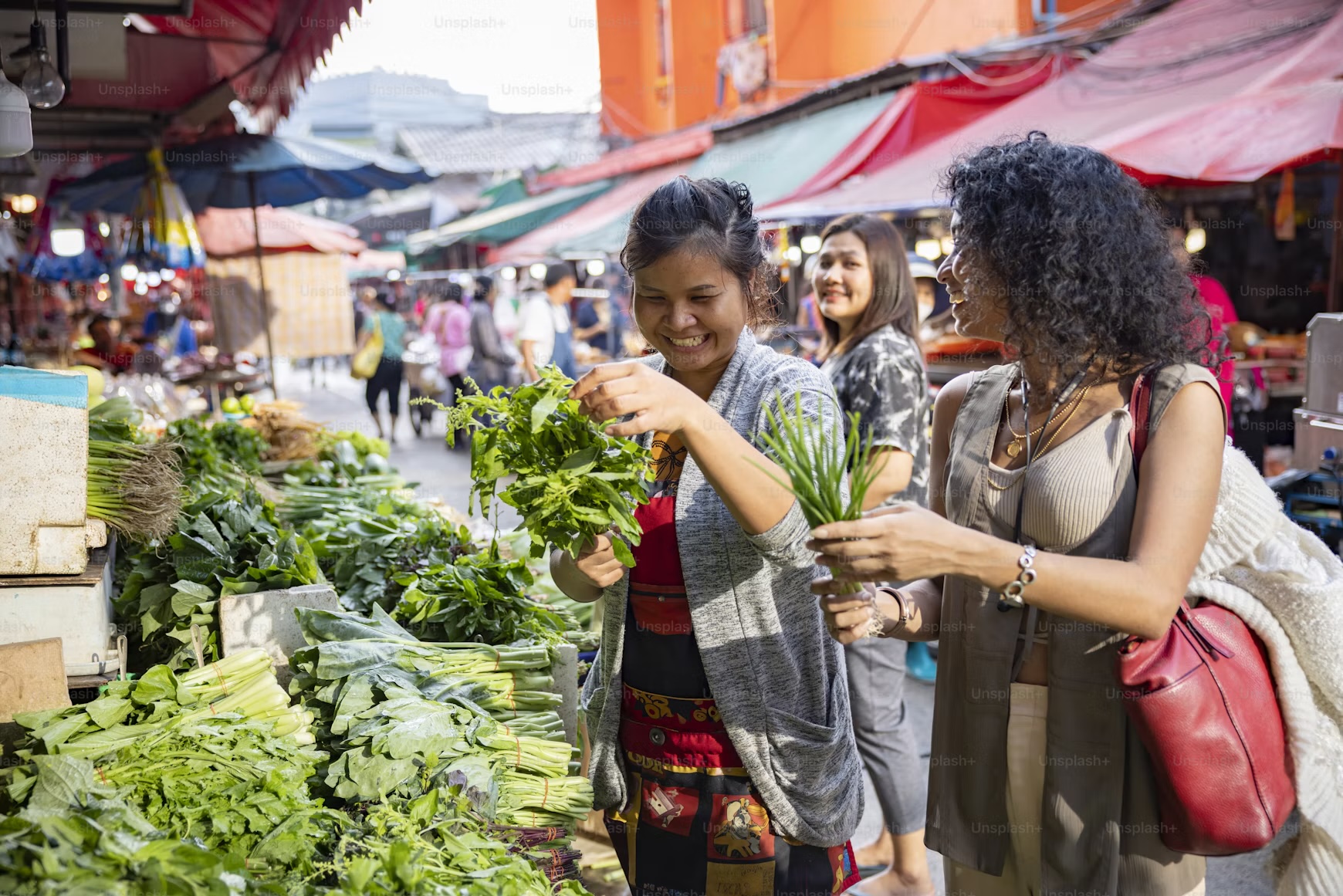
*Photo by ADHD Creative Co., LTD for Unsplash+
References
Ulep, V. G. T., Talamayan, J. T., Casas, L. D. D., Conjares, M. N. T. M., San Valentin, C., & Nkoroi, A. (2025). Harvesting Insights: Assessment of Food Systems for Children in the Philippines. Philippine Institute for Development Studies, Discussion Paper No. 2025-18. https://doi.org/10.62986/dp2025.18
Social Weather Stations. (2026, October 14). Hunger rises to 22.6% in September 2026 from 20.3% in June 2026. https://sws.org.ph/social-weather-report-hunger-rises-to-22-6-in-september-2026-from-20-3-in-june-2026/
Philippine Statistics Authority. (2026). Price Situationer of Selected Agricultural Commodities: First Phase of August 2026. https://psa.gov.ph/content/price-situationer-selected-agricultural-commodities-first-phase-august-2026
SunStar Davao. (2026, August). Davao rice, fish prices rise. https://www.sunstar.com.ph/davao/business/davao-rice-fish-prices-rise
Editorial note: The PIDS paper focuses on food systems for children but reports the estimate that 48.1 million Filipinos could not afford a healthy diet. For the hunger statistic, use the October 2026 SWS report and specify that the 22.6% figure refers to families who experienced involuntary hunger at least once in the preceding three months.