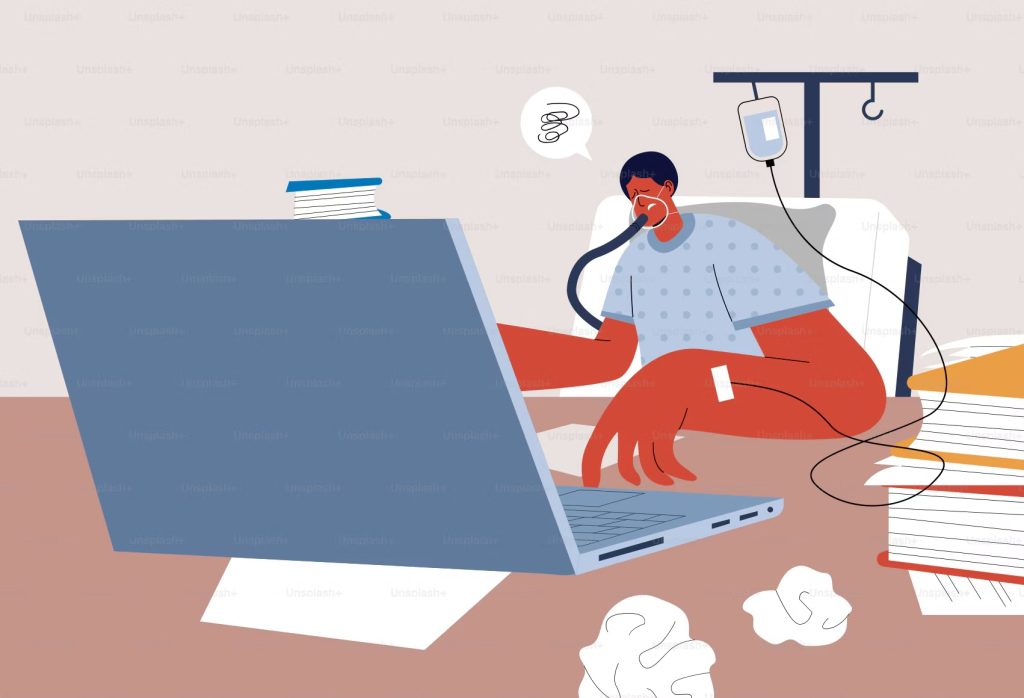

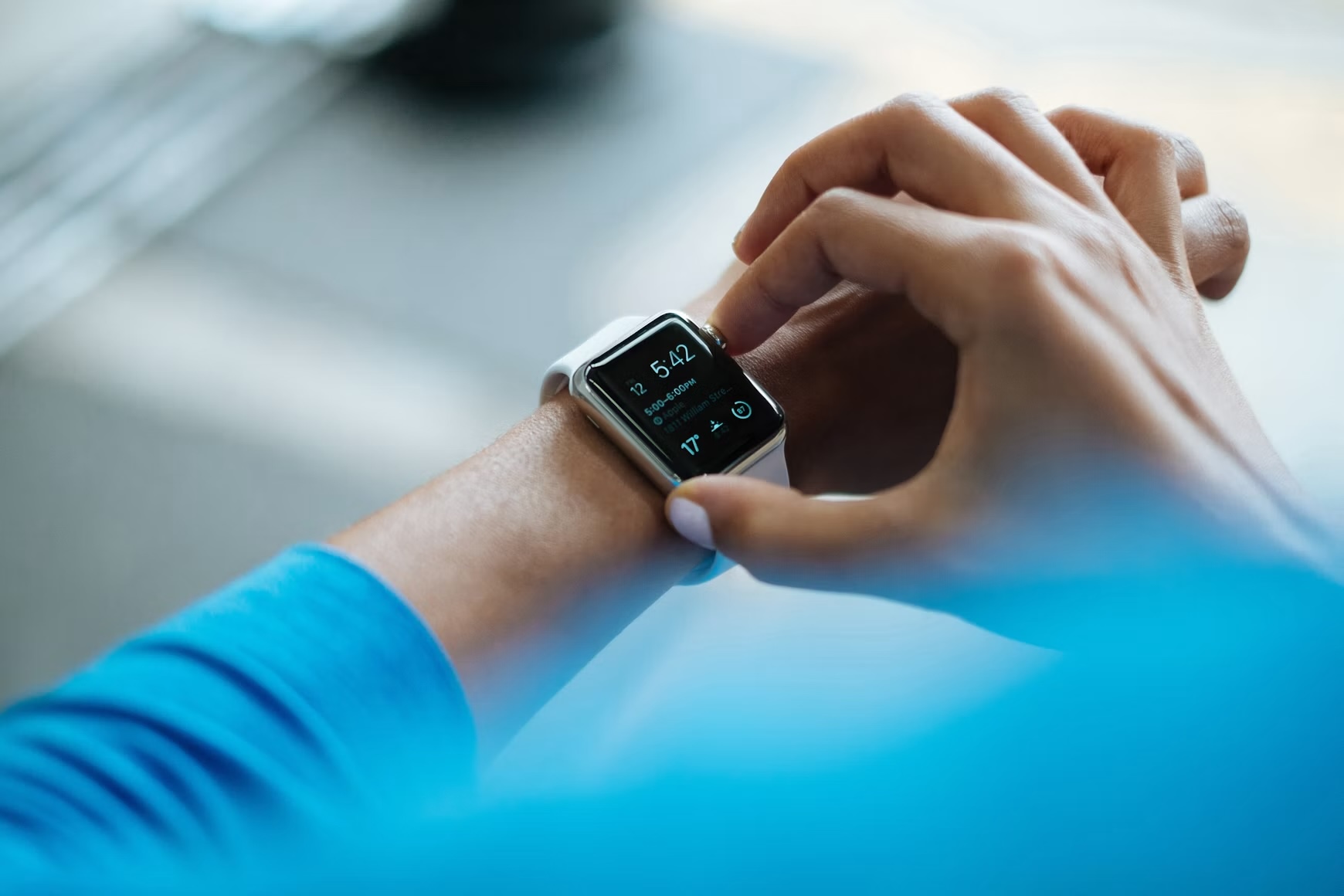
Somewhere between the step count, sleep score, “readiness” rating, and stress gauge from a gadget the size of a watch, these metrics have slowly become a second opinion on how we feel. You wake up feeling fine and well rested; you glance at your wrist and learn that your recovery is “low”—and suddenly, you’re not so sure.
We should pause at that moment, because it sits at the center of the quantified-health trend. More data is supposed to mean better health. But does it? Research suggests a mixed answer: wearables do some things well, others less reliably, and in some cases, they add a layer of worry that did not exist before.
Here’s what the evidence actually supports.
What Wearables Do Well
A 2022 umbrella review in The Lancet Digital Health pooled 39 systematic reviews covering approximately 164,000 participants. It found that activity trackers can encourage people to move more, increasing daily steps by around 1,800 and walking time by about 40 minutes. The review also found modest improvements in physical activity and a small reduction in body weight, averaging roughly one kilogram.
Even relatively small increases in physical activity can matter for public health, particularly when people sustain them over time.
In specific medical settings, the benefits can be more concrete. A 2025 meta-analysis of wearable-based programs for people with coronary artery disease found that participants increased their daily steps by roughly 1,060 and improved their exercise capacity. The analysis also reported fewer rehospitalizations compared with usual care. These findings suggest that wearables can support recovery when healthcare professionals incorporate them into a structured rehabilitation program.
On the detection side, the Apple Heart Study, conducted with Stanford Medicine and published in the New England Journal of Medicine, enrolled more than 419,000 people. About 0.52% received an irregular-pulse notification. Among notified participants who subsequently returned an analyzable ECG patch, approximately 34% had atrial fibrillation detected on the patch. During simultaneous monitoring, the irregular-pulse notification agreed with atrial fibrillation on the ECG patch 84% of the time.
For a condition that can go undiagnosed until a serious complication occurs, such as a stroke, this kind of alert can provide a useful prompt to seek medical assessment.
Even here, the fine print matters. Only a fraction of notified participants returned an analyzable ECG patch, so the findings do not tell us exactly what happened to everyone who received an alert. A follow-up analysis also found that some participants who did not have atrial fibrillation showed other rhythm irregularities, including premature beats.
An alert is a reason to get checked, not a diagnosis.
Where the Evidence Runs Out
The same Lancet Digital Health review found that some physiological benefits were small or not statistically significant. It also found that the increase in physical activity tended to diminish over time. The average gain was around 1,100 extra steps a day at four to six months, falling to roughly 500 extra steps a day in studies with follow-up periods extending to four years.
The most cautionary example is the IDEA trial, published in JAMA in 2016. Researchers randomized 471 adults aged 18 to 35 with overweight or obesity to a standard behavioral weight-loss program, with half also receiving a wearable activity monitor.
After two years, the group using the device had lost less weight on average—about 3.5 kilograms, compared with roughly 5.9 kilograms among participants who received the standard program without the wearable.
The study has important limitations. Researchers introduced the older-generation activity monitor after the first months of the program, and the participants were young adults already enrolled in a structured weight-loss intervention. The results therefore do not establish that wearables generally undermine weight loss.
The researchers discussed several possible explanations. A device focused on activity might divert attention from other behaviors that influence weight, while people who repeatedly fall short of their step goals might become discouraged. The broader lesson is that handing someone a tracker is not, by itself, a strategy for improving health.
A short Stanford-led randomized trial adds another wrinkle. Over five weeks, access to accurate step counts changed how participants perceived the adequacy of their physical activity, alongside mixed changes in self-reported health measures.
In other words, the number on the screen does not simply record behavior. It can also influence how we feel about what we are doing.
Which Numbers Can You Actually Trust?
Not all metrics are created equal. A landmark Stanford study tested seven wrist-worn devices using 60 volunteers and compared their readings with medical-grade reference measurements. Six of the seven devices measured heart rate with a median error below 5%. None measured energy expenditure acceptably: the best-performing device had an average error of 27%, while the worst reached 93%.
Those devices were tested in 2017, so we should treat the exact error rates as a snapshot of the technology available at the time, not as a verdict on every device sold today.
Still, the underlying lesson remains useful. Heart rate is a physiological signal that a sensor can measure directly, although accuracy varies with the device, activity, and conditions. Calories burned, by contrast, are estimates generated through algorithms that use several inputs, including movement and heart rate. These estimates can be substantially less reliable.
That is a good reason not to build a diet around the calorie number on your wrist.
Sleep metrics deserve similar caution. In the original orthosomnia case reports, patients’ tracker readings sometimes conflicted with objective sleep measurements, yet the numbers still drove their worry.
READ: Can Wearables Predict Disease Before Symptoms Appear?
When Tracking Backfires: Orthosomnia and Metric Anxiety
In 2017, sleep researchers at Rush University Medical Center published a case series in the Journal of Clinical Sleep Medicine describing patients who sought help for sleep problems they had identified or interpreted through their tracking devices. The authors coined the term orthosomnia, drawing on the idea of striving for “correct sleep,” to describe a pattern in which sleep-tracking data appeared to reinforce anxiety and perfectionism around sleep.
Some patients changed their habits primarily to improve their scores. For example, spending more time in bed in pursuit of a better sleep rating can sometimes make insomnia worse rather than better.
Orthosomnia is not a formal diagnosis, and the research remains limited. A 2024 cross-sectional study offered some of the first quantitative estimates of how common the pattern might be in the general population and examined its relationship with insomnia symptoms. However, the researchers’ estimates varied depending on how they defined orthosomnia, so we should not treat any single figure as an established prevalence rate.
The problem is not that everyone who wears a tracker will become anxious. For many people, these devices are harmless or mildly useful. For a smaller group—particularly those prone to perfectionism, sleep-related worry, or health anxiety—constant monitoring can become another source of stress.
The fair reading is that the effect depends partly on the person, the device, and how they use the information.
The Local View: Where the Biggest Health Gaps Actually Are
Wearables are gaining ground in the Philippines, although their prices can put them out of reach for many households. It is worth asking whether these devices are helping us pay attention to the health problems that matter most here.
Recent national figures point to some pressing concerns. The Department of Science and Technology’s Food and Nutrition Research Institute reported in its 2025 survey that 44.5% of Filipino adults aged 20 to 59 were living with obesity, up from 39.8% in 2023. These figures use the Asia-Pacific BMI classification, which differs from standard international BMI cutoffs.
Meanwhile, the International Diabetes Federation estimated that approximately 4.7 million Filipino adults aged 20 to 79 were living with diabetes in 2024.
These figures remind us that personal health technology is only one part of a much larger picture involving nutrition, physical activity, the food environment, access to screening, and affordable healthcare.
A ring that scores your sleep cannot diagnose diabetes. A smartwatch cannot replace a blood pressure measurement or a blood glucose test when a healthcare professional recommends one. For many Filipinos, basic screening and access to appropriate medical care may offer more immediate health benefits than buying another device.
A Saner Way to Wear One
None of this means you should throw your device in a drawer. It means using it with intention. Here’s how:
- Pick one or two metrics tied to a real goal. Track daily steps if you are trying to become less sedentary, or monitor resting heart rate trends if you are building fitness, rather than watching every metric your device offers.
- Trust trends over single readings. One poor sleep score or low recovery rating tells you very little on its own. Patterns over time can offer more useful information.
- Let how you feel count as data, too. If your device says you slept badly but you feel rested, that is meaningful information—not automatically a reason to doubt yourself.
- Skip the calorie number when making food decisions. Wearable estimates of energy expenditure can be inaccurate. Base food choices on your nutritional needs and overall eating habits instead.
- Treat health alerts as prompts, not verdicts. An irregular-rhythm notification is a reason to seek appropriate medical advice, not to panic or diagnose yourself.
- Take planned breaks. If you notice yourself checking compulsively or worrying about your sleep score, consider pausing the tracker or switching to a simple handwritten sleep diary.
- Pair the data with a plan. Research increasingly suggests that trackers work best when they support clear goals, feedback, coaching, or a structured health program—not when people rely on the device alone.
Wearables are good at a few things: encouraging people to move more, supporting cardiac rehabilitation, and occasionally flagging a heart rhythm that deserves a closer look. They are less impressive at improving hard health outcomes on their own, less reliable for certain measurements such as calories burned, and, for some people, a genuine source of anxiety.
The most useful metric is the one that helps you change a behavior you care about. The least useful is the one that only changes your mood.
Use the device as a tool, not a judge, and keep preventive screenings, medical check-ups, and your own sense of how you feel in the conversation.
This article discusses general wellness technology and is not medical advice. If tracking data causes persistent worry or disrupts your sleep, consider talking to a healthcare professional. If your device alerts you to a possible heart-rhythm irregularity, seek appropriate medical assessment rather than relying on the alert alone.
*Photo by Luke Chesser on Unsplash
References:
Laranjo, L., et al. (2022). Effectiveness of wearable activity trackers to increase physical activity and improve health. The Lancet Digital Health, 4(8), e615–e626. https://doi.org/10.1016/S2589-7500(22)00111-X
Perez, M. V., et al. (2019). Large-scale assessment of a smartwatch to identify atrial fibrillation. The New England Journal of Medicine, 381, 1909–1917. https://doi.org/10.1056/NEJMoa1901183
Jakicic, J. M., et al. (2016). Effect of wearable technology combined with a lifestyle intervention on long-term weight loss. JAMA, 316(11), 1161–1171. https://doi.org/10.1001/jama.2016.12858
Shcherbina, A., et al. (2017). Accuracy in wrist-worn, sensor-based measurements of heart rate and energy expenditure. Journal of Personalized Medicine, 7(2), 3. https://doi.org/10.3390/jpm7020003
Baron, K. G., et al. (2017). Orthosomnia: Are some patients taking the quantified self too far? Journal of Clinical Sleep Medicine, 13(2), 351–354. https://doi.org/10.5664/jcsm.6472
Jahrami, H., et al. (2024). Prevalence of orthosomnia in a general population sample: A cross-sectional study. Brain Sciences, 14(11), 1123. https://doi.org/10.3390/brainsci14111123
DOST–Food and Nutrition Research Institute. (2025). 2025 Updating Survey: Anthropometry. https://enutrition.fnri.dost.gov.ph/presentation.php?year=2025
International Diabetes Federation. Diabetes in the Philippines: Country data. https://idf.org/our-network/regions-and-members/western-pacific/members/the-philippines/
Stanford Medicine News Center — “Fitness trackers accurately measure heart rate but not calories burned”