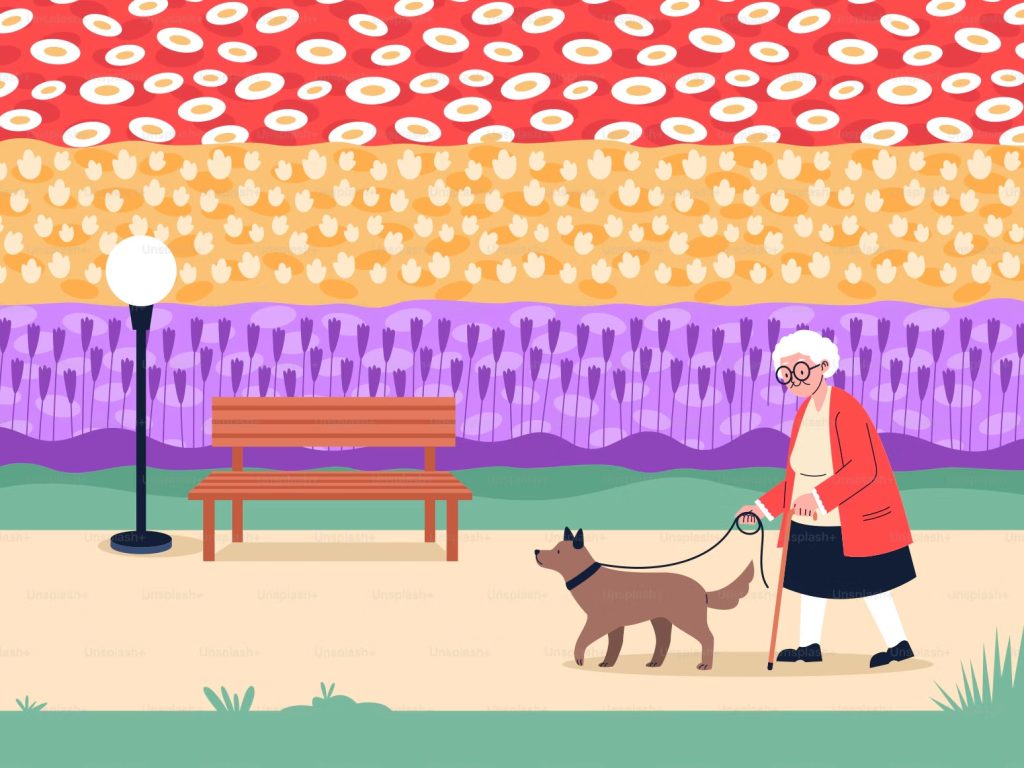

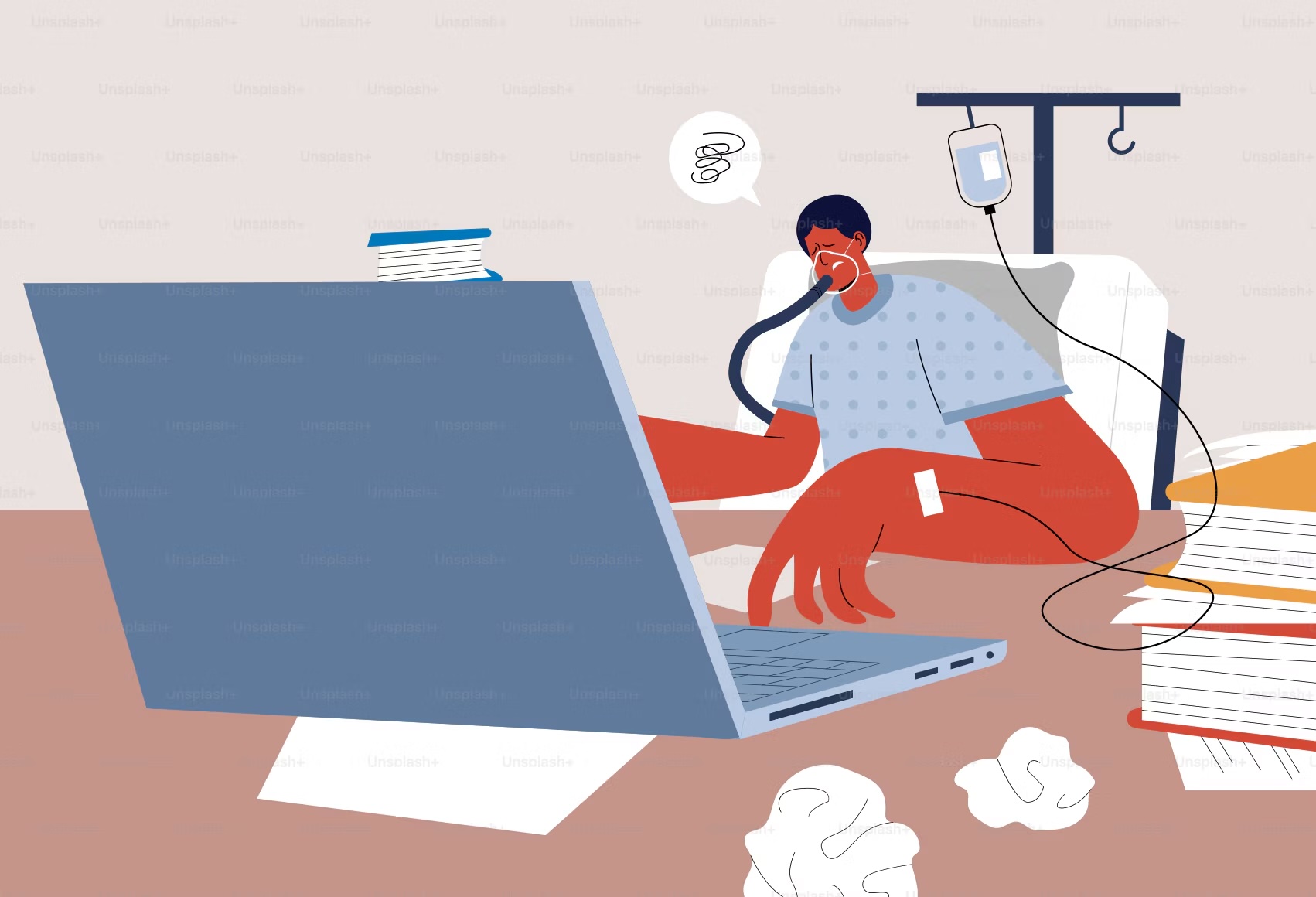
How do we recognize when someone is tired? Is it when we catch them bedrotting, notice how easily they become irritable, or see them struggling to find the energy to show up?
In many cases, the most exhausted people are those who appear to be doing just fine. They reply to messages promptly, power through demanding workdays, make others laugh, and keep their responsibilities in order.
But functioning well on the outside does not always mean feeling well on the inside.
This article is not about diagnosing ourselves or others. It is about recognizing when something feels persistently heavy and understanding that acknowledging it is not an overreaction, but an act of self-respect.
Burnout in the Filipino Workplace
A study by the Department of Labor and Employment’s Institute for Labor Studies found that workers associated workplace stress and burnout with heavy workloads, conflicts with colleagues, and micromanagement.
The AXA Mind Health Report also highlighted the extent of work-related mental health concerns in the Philippines. Its findings showed that 87% of Filipino workers experienced at least one work-related mental health consequence, including fatigue, sleep difficulties, stress, anxiety, and difficulty concentrating.
Meanwhile, a 2024 study published in Frontiers in Public Health examined 4,338 full-time workers across four Southeast Asian countries. Among the study’s respondents, Filipinos recorded the highest proportion experiencing high or very high burnout, at 70.71%. The researchers drew on an online mental health assessment conducted in October 2022, so the findings should not be interpreted as a current estimate for every Filipino worker.
AXA also reported that 33% of Filipino respondents experienced burnout in the preceding year, while only 22% of those who experienced burnout sought help from healthcare professionals.
Together, these findings highlight how common workplace distress and burnout can be—and why we should not assume that people are coping simply because they continue to meet their responsibilities.
Sometimes, life demands more than it gives back. Financial pressure, long work hours, family responsibilities, uncertainty, and the quiet expectation to keep going can leave people emotionally exhausted, even when they continue to fulfil their daily obligations.
READ: Office Stress, Explained (With Science—and a Sense of Humor)
Coping vs. Concealing
While these pressures may not always be within our control, how we respond to them can sometimes make a difference. Research on emotion regulation suggests that the way we interpret stressful situations can influence how we experience and respond to them.
One concept psychologists study is cognitive reappraisal, or the process of reconsidering how we interpret a situation to change its emotional impact. Rather than pretending that a problem does not exist, we can try to view it from a perspective that helps us respond more constructively.
This may involve recognizing what we can address, what may need to wait, and what support we need in the present moment. We can begin by acknowledging an emotion instead of automatically saying, “I’m fine”; taking a brief break from screens; setting reasonable boundaries around work; or confiding in someone trustworthy.
However, we should not confuse cognitive reappraisal with what psychologists describe as emotional masking or surface acting. These terms refer to concealing what we genuinely feel or displaying emotions that meet a situation’s expectations, even when those emotions do not reflect our inner experience.
People often mask their emotions to protect themselves or others. A worker may stay composed to avoid being seen as difficult. A parent may hide their worries to help their children feel secure. A student may say, “I’m fine,” because explaining what they are going through feels like too much to handle.
There may be moments when keeping our feelings private helps us get through a difficult situation. But constantly maintaining an emotional facade can come at a cost. Research has linked emotional suppression and surface acting to stress, emotional exhaustion, and burnout, as well as lower well-being and job satisfaction.
Over time, the effort it takes to appear okay can become another source of exhaustion.
The difference is not simply whether we show our emotions. It is whether we give ourselves the opportunity to acknowledge and process them, rather than continually pushing them aside.
Permission to Be Human
There is nothing wrong with wanting to be strong. But strength can become harmful when we feel expected to endure everything without support or space to process what we feel.
Giving ourselves that space means recognizing and understanding our emotions without immediately judging, dismissing, or suppressing them. It also means accepting that we may need help, even when we cannot fully explain what we are experiencing.
When stress becomes constant and exhaustion lingers, a mental health professional or community mental health service can offer guidance and support. We do not have to wait until we reach a breaking point before asking for help. Seeking support is not a sign of weakness; it is one way of responding to our emotional needs with care.
Well-being does not require us to remain unaffected by hardship, stay constantly productive, or manage everything alone. Rest should not have to wait until exhaustion sets in, and seeking help should not require us to reach a crisis.
Perhaps, instead of asking ourselves, “Why can’t I keep up?” we can begin with a gentler question:
“What have I been carrying without saying so?”
Sometimes, recognizing the weight we carry is the first step toward finding a way forward.
*Photo by Shiuly Suherni for Unsplash+
If you or someone you know is experiencing a mental health crisis: The Philippine Department of Health’s National Center for Mental Health operates a 24/7 crisis hotline. Published contact numbers include 1553, 0917-899-8727, and 0919-057-1553. If you cannot get through, seek assistance from the nearest emergency department or local mental health service.
References
Department of Labor and Employment – Institute for Labor Studies. Mental Health at Work: Determinants of a Safe and Healthy Workplace (2024). Read the research paper.
AXA Philippines. 87% of Filipinos Report Work-Related Mental Health Issues, Exceeding Global Average. Read the report summary.
Abdul Aziz, A. F., & Ong, T. (2024). “Prevalence and associated factors of burnout among working adults in Southeast Asia: results from a public health assessment.” Frontiers in Public Health. Read the study.
Philippine Information Agency. National Center for Mental Health crisis hotline information. Read the published hotline details.