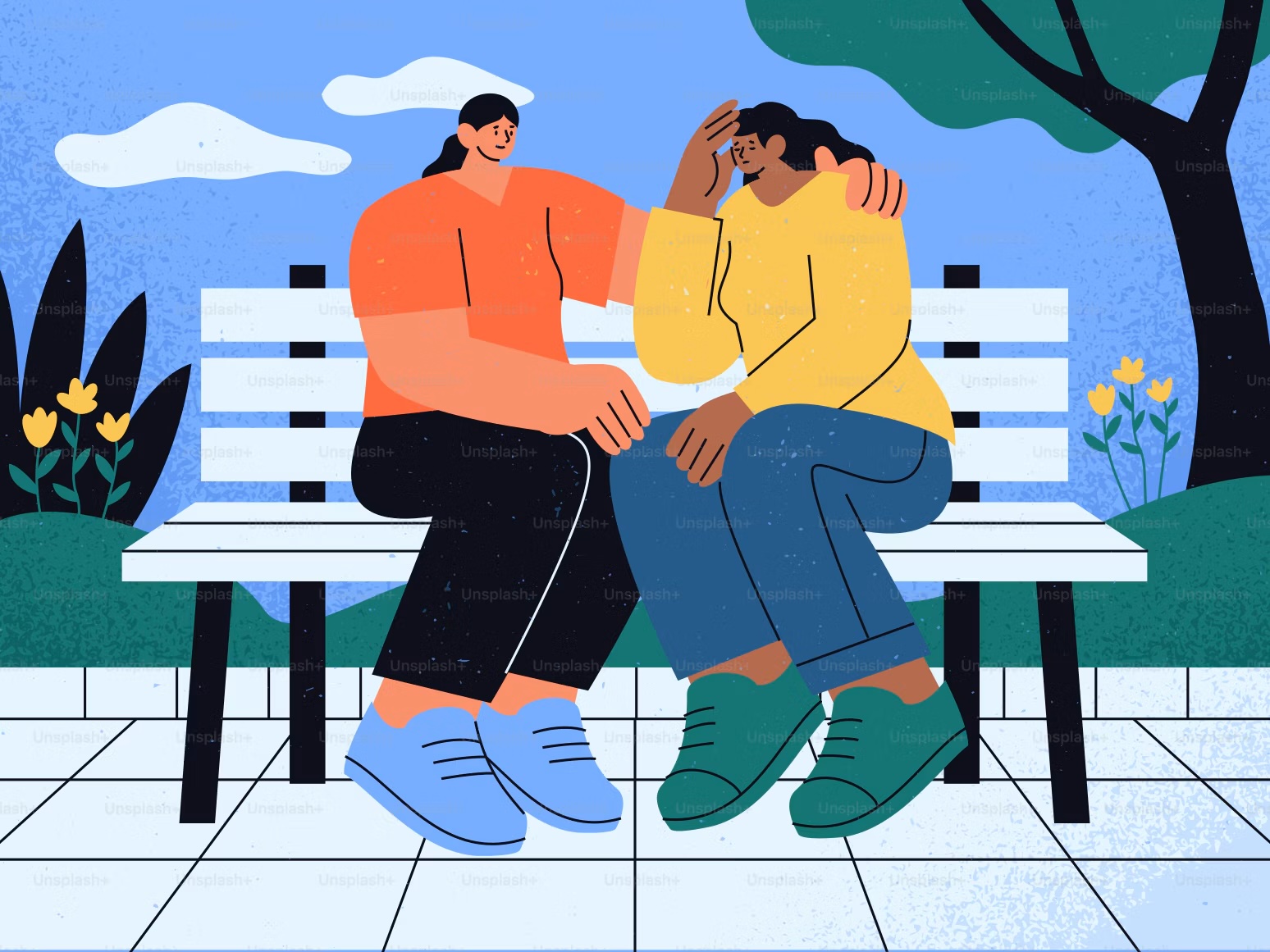
As World Mental Health Day closes National Mental Health Week in the Philippines, Joyful Wellness explores why caring for our minds begins with listening to ourselves, to one another, and to people whose experiences can help change how we understand mental health.
Some days, getting through the day is an achievement in itself.
You answer your messages. You finish your work. You prepare meals, attend to family, meet deadlines and show up for the people who need you. From the outside, everything may look perfectly fine. Inside, however, you may be tired in ways that sleep cannot fix, worried about things you cannot control, or quietly wondering how much longer you can keep everything together.
If this sounds familiar, you are not alone. And you do not have to wait until everything falls apart before you give your mental health the attention it deserves.
Today, October 10, the world observes World Mental Health Day, an annual reminder that mental health matters as much as physical health. In the Philippines, it also marks the close of National Mental Health Week, observed from October 5 to 10 this year.
But perhaps the most important question is not simply whether we talk about mental health. It is whether we listen and whether that listening leads to meaningful change.

Mental Health Is More Than Feeling Happy
We often speak of wellness as if it means feeling good, staying positive and finding something to be grateful for every day. But real life is rarely that tidy.
Mental health includes how we think, feel, relate to others, manage stress and navigate the demands of everyday life. It can change with our circumstances, relationships, physical health and environment.
You can love your family and still feel overwhelmed by caregiving. You can be grateful for your job and still feel exhausted by its demands. You can have a good life and still experience anxiety, sadness or loneliness.
These feelings do not make you ungrateful or weak. They make you human.
Caring for your mental health does not mean eliminating every difficult emotion. It means learning to recognize what you feel, understanding when you need support and finding ways to respond without being unnecessarily hard on yourself.
Most times, the first step is simply admitting that something feels heavy.
EXPLORE: Why Setting Boundaries Is Good for Your Mental Health
This Year’s Message: Listen to People Who Have Lived It
The World Health Organization’s theme for World Mental Health Day 2026 is “Lived experiences heard: real voices, real change.”
The campaign emphasizes that people who have experienced mental health conditions possess valuable knowledge about what care, recovery and support actually look like. Their voices should help shape mental health services, policies and decisions—not merely appear in awareness campaigns. <a href=”https://www.who.int/campaigns/world-mental-health-day/2026“>WHO explains the 2026 campaign here.</a>
This is an important distinction.
Someone who has experienced depression, anxiety or another mental health condition knows aspects of that journey that cannot be fully understood through statistics or professional training alone. Their experiences can reveal what makes seeking help difficult, what kind of support feels safe, and what needs to change in the systems meant to care for them.
Listening also means resisting the urge to offer immediate advice, compare their struggles with someone else’s, or tell them to look on the bright side.
Sometimes, people need solutions. Sometimes, they need professional care. And sometimes, before anything else, they need to know that someone is willing to hear them without judgment.
A simple question can open that door: “How are you really doing?”
Then comes the more important part: making room for an honest answer.

The Quiet Pressures We Carry
Mental health struggles do not always announce themselves dramatically. They can appear in the ordinary pressures that accumulate over time.
For some Filipinos, it is the responsibility of supporting a family while trying to keep up with rising expenses. For others, it is the pressure to succeed, the uncertainty of looking for work, the demands of caring for ageing parents, or the challenge of raising children while managing personal worries.
Young people may struggle with academic expectations, social comparison and uncertainty about the future. Working adults may feel caught between professional ambitions and personal responsibilities. Caregivers may become so focused on everyone else’s needs that they forget their own.
Loneliness can also affect people who appear surrounded by friends, colleagues or family. Being connected online is not always the same as feeling understood.
These experiences do not automatically indicate a mental health condition. But prolonged stress, isolation and emotional exhaustion deserve attention, especially when they begin to interfere with sleep, relationships, work or everyday functioning.
We do not need to wait for someone to reach a breaking point before we take their struggles seriously.
And we should not assume that a person who smiles, performs well or continues to meet responsibilities is necessarily doing well inside.
Five Small Ways to Care for Your Mental Health
You do not have to transform your life overnight. Start with small, realistic steps that create a little more room for rest, connection and support.
1. Check in with yourself honestly
Before asking what you need to accomplish today, pause and ask how you are feeling.
Are you tired, anxious, irritable, lonely or overwhelmed? Have you been pushing through without enough rest? Is something worrying you that you have not had the chance to acknowledge?
Naming an emotion does not make it disappear, but it can help you understand what you need next.
2. Give yourself permission to pause
Rest is not a reward you must earn by finishing everything on your list.
Take a short walk, eat a proper meal, step away from your screen or spend a few quiet minutes doing something that helps you settle. Regular sleep, physical activity and balanced meals can support overall well-being, although they cannot replace professional care when you need it.
You do not have to make every moment productive.
3. Talk to someone you trust
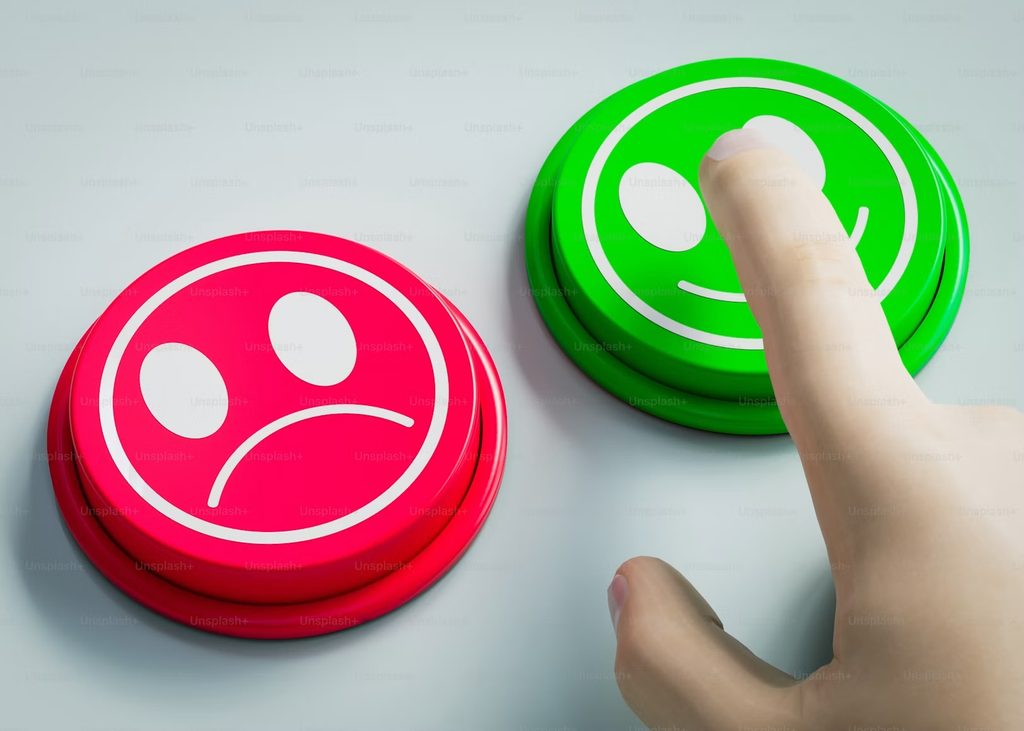
You do not need to have the perfect words before reaching out.
You might say, “I’ve been feeling overwhelmed lately,” or “I’m not sure what’s wrong, but I could use someone to talk to.”
A trusted friend, family member, colleague or mental health professional can help you feel less alone and consider what support might be useful.
If someone opens up to you, listen without rushing to judge or fix the situation. Ask what they need rather than assuming you already know.
4. Set boundaries where you can
Not every request needs an immediate yes. Not every disagreement needs to be resolved today. And not every problem belongs entirely to you.
Where possible, break overwhelming tasks into smaller steps, ask for help, take appropriate breaks and make room for life beyond work or caregiving.
Some responsibilities cannot simply be set aside, especially when finances or family needs are involved. Even so, identifying one manageable change can be a meaningful start.
5. Seek professional support when you need it
If emotional distress persists, worsens or begins to affect your daily life, consider speaking with a qualified mental health professional.
Psychologists, psychiatrists, counsellors and other appropriately qualified providers can help assess your concerns and discuss suitable support or treatment even without a crisis.
Seeking help is a practical step toward understanding what you are experiencing and finding a way forward.
READ: Why Some Men Avoid Mental Health Care Until It’s Too Late
How We Can Become Better at Caring for One Another
Mental health is a personal experience, but it is not solely an individual responsibility.
Families can make room for honest conversations without shame. Schools can provide safe environments where students feel comfortable seeking support. Workplaces can address unreasonable demands, encourage healthy boundaries and make mental health resources accessible. Communities can help people find care without treating them differently because they need it.
Healthcare systems also need to listen to people who use their services. Their experiences can help make care more accessible, respectful and responsive to real needs.
This is where the message of World Mental Health Day becomes especially meaningful. Listening is important, but listening alone is not enough. We must also act on what people tell us.
A more compassionate society is one where people can speak honestly about their struggles without fearing that they will be dismissed, judged or defined by a diagnosis.
It is one where asking for help is met with understanding, and where access to appropriate care does not depend on a person’s ability to explain their suffering perfectly.
A Gentler Way Forward
As National Mental Health Week comes to a close, let us remember that the conversation should not end with the calendar.
You may be feeling well today. Someone you love may be struggling quietly. You may be the person who has spent so much time caring for others that you have forgotten to ask what you need.
Wherever you find yourself, begin there.
Listen to yourself with honesty. Listen to others with compassion. Seek help when you need it, and offer support without assuming you know the whole story.
You do not have to feel happy every day to have a life worth caring for. You do not have to solve everything at once. And you do not have to carry every difficult thing alone.

The Joyful Wellness takeaway: Together for Better Health means making space for the whole human experience, not just our happiest moments, but also our difficult days, our need for support and our capacity to begin again. Sometimes, better mental health starts with a simple but powerful act: listening, and letting someone know they have been heard.
*Photo by Pablo DR for Unsplash+
Editorial Note
Joyful Wellness shares mental health information to encourage awareness, understanding, and self-care. Our content is not a substitute for professional mental health support. If you or someone you know is experiencing emotional distress, seeking help from a licensed mental health professional or trusted healthcare provider is encouraged.
The National Center for Mental Health (NCMH) Crisis Hotline is available 24/7 at 1553 (toll-free landline) to provide free, confidential, phone-based emotional support and crisis intervention.
Contact Numbers
- Landline: 1553 (Toll-free) or 1800-1888-1553
- Smart / TNT: 0919-057-1553
- Globe / TM: 0917-899-8727 (USAP) or 0966-351-4518
References
World Health Organization. World Mental Health Day 2026: Lived Experiences Heard—Real Voices, Real Change. 2026.
World Health Organization. Mental Health. WHO Health Topics. Accessed 2026.
World Health Organization. Self-Care for Health and Well-Being. 2026.
World Health Organization. Stress. WHO Questions and Answers. Accessed 2026.
World Health Organization. World Mental Health Day. WHO Global Health Campaigns. Accessed 2026.