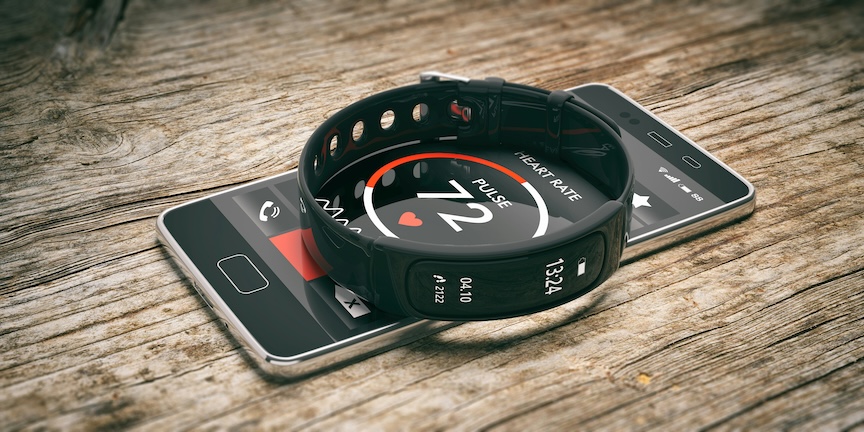
From smartphones to smartwatches, technology has become deeply integrated into our daily lives. These innovations have changed the way we communicate, work, and navigate the world. Increasingly, they are also changing how we monitor our health.
A watch once told us the time. Today, it can track our heart rate, monitor our sleep, measure physical activity, and even alert us to potential health concerns. As wearable technology continues to evolve, researchers are exploring an ambitious question: Can these devices help identify disease before symptoms appear?
What Are Wearables?
Wearable technology refers to electronic devices designed to be worn on the body. These devices range from smartwatches and fitness trackers to smart rings and other sensor-equipped accessories.
Examples include smartwatches from brands such as Garmin, Apple, and Samsung, as well as devices like the Oura Ring. Other forms of wearable technology include virtual reality headsets, smart glasses, and Bluetooth-enabled devices.
Many wearables offer features such as:
- Phone notifications
- GPS tracking
- Fitness and activity monitoring
- Sleep tracking
- Voice controls
- Heart rate monitoring
Some devices are also capable of collecting health-related data that can help users better understand their physical condition.
Wearables contain microprocessors, batteries, wireless communication systems, and embedded sensors that collect and process information. This data can then be synchronized with smartphones, tablets, or healthcare platforms for further analysis.
Wearables and Health Monitoring
One of the most common uses of wearable technology today is health monitoring.
Smartwatches and smart rings can track heart rate, physical activity, sleep patterns, and other health indicators in real time. Many users rely on these devices to support fitness goals, while others use them to help manage chronic conditions or monitor their overall well-being.
In recent years, researchers and healthcare professionals have become increasingly interested in wearable technology as a tool for preventive healthcare. The ability to collect health data continuously and non-invasively offers opportunities for earlier intervention and improved disease management.
READ: How Can a Smart Ring — and Other Wearables — Make You Healthier?
Can Wearables Detect Health Risks Before Symptoms Appear?
While wearables cannot diagnose most diseases on their own, research suggests they can sometimes identify physiological changes associated with increased health risks before a person notices symptoms.
A study by Ferdous and Sultana identified several promising applications of wearable technology in early disease detection, including cardiovascular monitoring, diabetes management, and chronic disease surveillance.
Cardiovascular Health
Some smartwatches are equipped with electrocardiogram (ECG) sensors capable of detecting irregular heart rhythms such as atrial fibrillation (AFib).
AFib is a common heart rhythm disorder associated with an increased risk of stroke. In some cases, wearable devices have alerted users to irregular heart activity before they experienced noticeable symptoms, prompting medical evaluation and treatment.
Wearables can also monitor physical activity, sleep quality, resting heart rate, and stress patterns. Significant changes in these measurements may serve as early warning signs that warrant further medical attention.
Diabetes Management
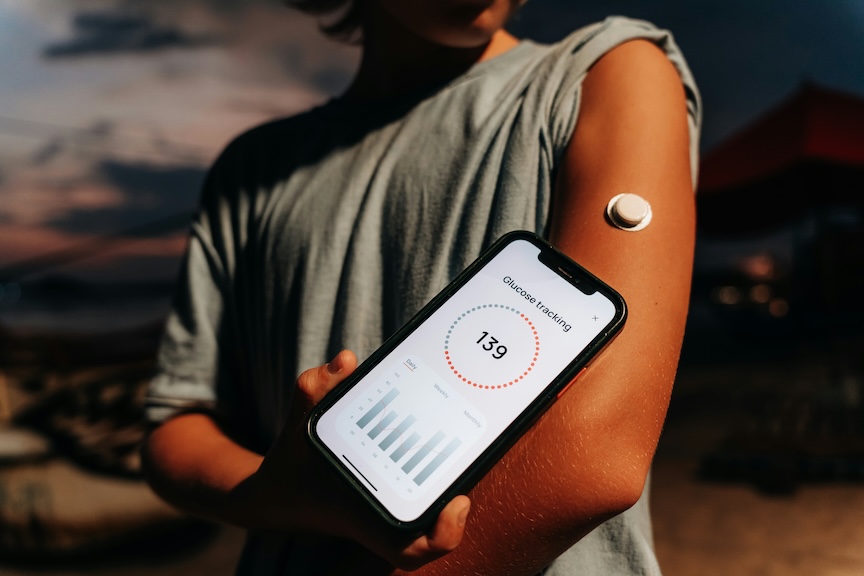
Continuous glucose monitoring (CGM) systems have transformed diabetes care by providing real-time glucose readings throughout the day.
These devices allow people with diabetes to better understand how food, exercise, medication, and stress affect blood sugar levels. This can lead to improved glycemic control and more informed treatment decisions.
diana-light-9xhrKVpYKWs-unsplash.jpg
Monitoring Chronic Conditions
Researchers are also exploring wearable “electronic skin” technologies—thin, flexible sensor patches that adhere to the body and continuously monitor physiological signals.
Some prototypes can record electrical activity and transmit information wirelessly to healthcare providers, allowing for remote monitoring of patients with chronic conditions.
In the future, these technologies may help healthcare professionals identify concerning trends before symptoms become severe.
Beyond Heart Disease and Diabetes
Wearable technologies are also being investigated for their potential applications in respiratory, neurological, and cancer-related care.
For example, respiratory sensors may help monitor lung function in patients with chronic respiratory conditions. Researchers are also studying wearable biosensors that may one day detect biological markers associated with certain diseases, including some forms of cancer.
While these innovations remain largely experimental, they demonstrate the growing role of wearable technology in modern healthcare.
DISCOVER: How Innovation Is Transforming Filipino Wellness
The Limitations of Wearables
Despite their promise, wearable technologies are not without limitations.
Kurul and colleagues have highlighted challenges involving emerging chemical and physical sensors that analyze sweat, saliva, tears, and skin-based biomarkers. Many of these technologies remain in early stages of development and face issues related to sample collection, calibration, accuracy, and long-term reliability.
Battery life, interoperability, and secure data sharing also remain ongoing challenges.
Cost is another consideration. While basic fitness trackers and smartwatches have become more affordable, advanced health-monitoring devices may still be beyond the reach of many consumers.
Privacy is equally important. Because wearable devices collect sensitive personal information, experts continue to raise concerns about how health data is stored, shared, and protected. Users should understand the privacy policies of their devices and take steps to safeguard their personal information.
The Future of Wearables
Wearable technology has evolved significantly over the past decade.
What began as simple step counters and notification devices has expanded into a rapidly growing field with applications in health monitoring, chronic disease management, and preventive care.
Although today’s wearables cannot predict every disease, they are becoming increasingly capable of identifying patterns and health risks that may otherwise go unnoticed.
As sensors become more sophisticated and artificial intelligence continues to advance, wearable devices may play an even greater role in helping people monitor their health and seek medical attention earlier when needed.
For now, wearables should be viewed as tools that support professional medical care. Used responsibly, they offer a glimpse into a future where individuals are better equipped to understand their bodies and take a more proactive approach to health.
After all, prevention is often most effective when it begins before symptoms appear.
getty-images-avgdBmsANZo-unsplash.jpg
References
Ferdous, S., & Sultana, N. (2025). Wearable technology for early disease detection: Enhancing preventive public health. Retrieved from https://www.researchgate.net/publication/395009076_Wearable_Technology_for_Early_Disease_Detection_Enhancing_Preventive_Public_Health
Kurul, M., et al. (2024). Emerging wearable technologies for health monitoring and disease detection. Sensors International. Retrieved from https://pmc.ncbi.nlm.nih.gov/articles/PMC11461032/
Advances in wearable technologies for healthcare monitoring and disease detection. (2025). ScienceDirect. Retrieved from https://www.sciencedirect.com/science/article/pii/S2590137025001542
EBSCO Research Starters. (n.d.). Wearable technology. Retrieved from https://www.ebsco.com/research-starters/technology/wearable-technology
TechTarget. (n.d.). Wearable technology (wearables). Retrieved from https://www.techtarget.com/searchmobilecomputing/definition/wearable-technology
Lenovo. (n.d.). What are wearable technology devices? Retrieved from https://www.lenovo.com/ph/en/glossary/wearable-tech-devices/
Ignitec. (2024). How wearables detect diseases now and in the future. Retrieved from https://www.ignitec.com/insights/how-wearables-detect-diseases-now-and-in-the-future/