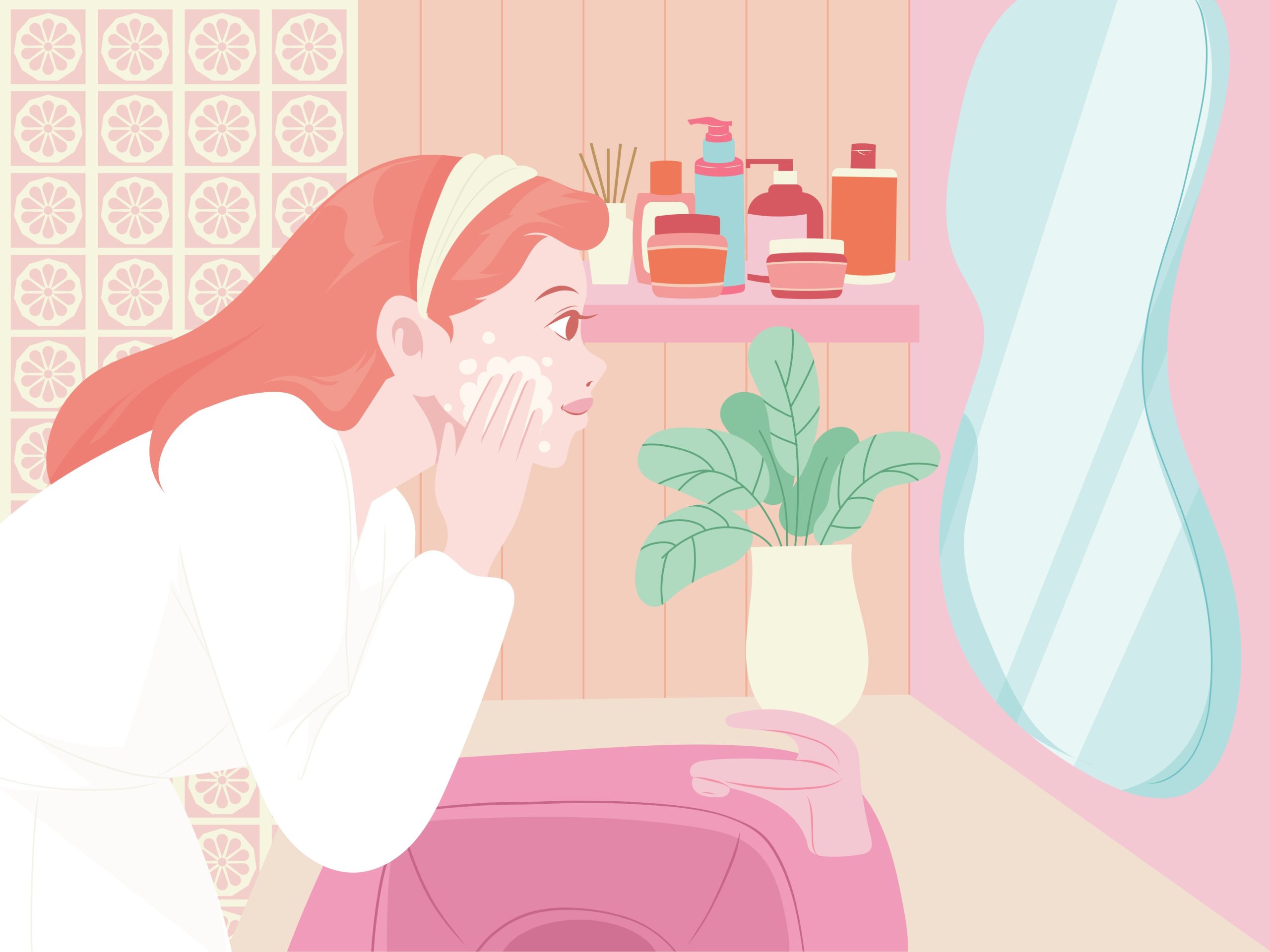
Why some women keep breaking out long after their teenage years and what science says about the hormonal link behind stubborn acne.
At first, it seems like a skincare problem.
A few pimples along the jawline. The occasional breakout on the chin. Perhaps some oily skin that no cleanser seems able to control.
Many women do what most of us would do: buy a new facial wash, switch moisturizers, try the latest serum, or spend a little more on skincare products promising clearer skin.
But what happens when the pimples keep coming back?
For some women, persistent acne may be a hormonal problem.
Increasingly, doctors are finding that stubborn adult acne can be one of the earliest signs of PMOS (Polyendocrine Metabolic Ovarian Syndrome), a complex hormonal and metabolic condition that affects millions of women worldwide.
And sometimes, the skin notices it before anyone else does.
More Than Just Pimples
Many people associate acne with adolescence. Yet dermatologists regularly see women in their twenties, thirties, and even forties struggling with breakouts that seem resistant to conventional treatments.
The reason often lies beneath the surface.
PMOS is characterized by hormonal imbalances that can increase the production of androgens—often referred to as “male hormones,” although women naturally produce them too.
When androgen levels rise, the skin’s oil glands become overactive.
More oil means a greater likelihood of clogged pores.
Add dead skin cells and naturally occurring bacteria to the mix, and the result is often inflamed, painful acne.
This is why PMOS-related breakouts tend to behave differently from ordinary pimples.
The Acne Pattern Doctors Look For
Not all acne is caused by PMOS.
But there are clues.
Women with PMOS-related acne often notice:
- Breakouts concentrated around the jawline and chin
- Painful cystic acne rather than small whiteheads
- Persistent acne that continues well into adulthood
- Flare-ups that seem linked to hormonal changes
- Acne that does not respond well to typical over-the-counter products
Dermatologists sometimes refer to this as “hormonal acne distribution.”
When combined with irregular periods, weight gain, excess facial hair, or difficulty losing weight, it may prompt further evaluation for PMOS.
The Insulin Connection
One of the most fascinating discoveries in recent years is the role of insulin resistance.
Many women with PMOS have cells that do not respond efficiently to insulin, the hormone responsible for helping glucose enter the body’s cells.
As a result, the body produces more insulin to compensate.
Unfortunately, higher insulin levels can stimulate the ovaries to produce even more androgens.
The result is a hormonal domino effect:
Higher insulin → Higher androgens → More oil production → More acne
This helps explain why PMOS is often considered both a hormonal and metabolic condition.
The skin is simply revealing what is happening internally.
READ: Beyond the ovaries: Why PMOS is becoming a modern women’s health warning
When Skincare Isn’t Enough
This can be frustrating.
Many women spend years treating their skin without addressing the underlying cause.
A good skincare routine remains important, but PMOS-related acne often requires a broader strategy.
Depending on individual circumstances, treatment may involve:
- Prescription topical medications
- Hormonal therapies
- Anti-androgen medications such as spironolactone
- Insulin-sensitizing medications such as metformin
- Nutritional counseling
- Exercise and lifestyle interventions
This is why many experts recommend a team approach involving a dermatologist, gynecologist, or endocrinologist.
The Skin Clues You Shouldn’t Ignore
Acne is not always the only sign.
Other skin-related clues may include:
Excessively Oily Skin
Some women notice that their skin becomes persistently oily regardless of the products they use.
Acanthosis Nigricans
These are dark, velvety patches of skin commonly found around the neck, underarms, or body folds. They are often associated with insulin resistance.
Excess Facial or Body Hair
Known medically as hirsutism, this can occur when elevated androgen levels stimulate hair growth in areas more commonly associated with male-pattern hair distribution.
Can Lifestyle Changes Help?
The encouraging news is that many women see improvements when they address insulin resistance and metabolic health.
Research suggests that regular physical activity, balanced nutrition, quality sleep, and weight management can help lower insulin levels and improve hormonal balance.
This does not mean there is a single “PMOS diet.”
However, many specialists recommend:
- High-fiber foods
- Vegetables and fruits
- Lean proteins
- Healthy fats
- Reduced intake of highly processed foods and sugary beverages
These habits support overall metabolic health, which in turn may help improve skin symptoms.
A Different Way of Looking at Acne
Sometimes a pimple is just a pimple.
Sometimes it is information.
The skin is the body’s largest organ, and occasionally it reveals what blood tests later confirm.
Persistent adult acne can be frustrating, emotionally exhausting, and damaging to self-confidence. Yet it can also serve as an early signal that something deeper deserves attention.
If your breakouts seem unusually stubborn, painful, or accompanied by other hormonal symptoms, consider speaking with a healthcare professional.
Your skin may be trying to tell you a story.
The sooner you understand it, the sooner healing can begin.
Editorial Note
Joyful Wellness provides general, science-informed health information to help readers make informed decisions about their well-being. Our content is intended for educational purposes and does not replace professional medical advice. For personal health concerns or symptoms, readers are encouraged to consult a licensed healthcare professional.
veii-rehanne-martinez-7WcgeVl9Gl8-unsplash.jpg
References
- International Evidence-Based Guideline for Polycystic Ovary Syndrome (2023 Update).
- American Academy of Dermatology. Hormonal Acne and Adult Female Acne.
- Endocrine Society Clinical Practice Guidelines on PCOS.
- Azziz R. et al. Polycystic Ovary Syndrome. Nature Reviews Disease Primers.
- National Institutes of Health (NIH). PCOS and Insulin Resistance.
- Teede HJ et al. International PCOS Guideline Recommendations.
- Journal of Clinical Endocrinology & Metabolism. Hyperandrogenism and Acne in Women.