Why the smallest acts of disrespect can have the biggest impact on our well-being
As The Philippine STAR celebrates four decades of journalism, we naturally look back with pride at the stories that shaped our nation and the values that built our institution. Milestones are occasions for reflection and they are invitations to look ahead.
As we begin a new chapter in our history, one of the most important investments we can make is not in technology, infrastructure, or innovation alone. It is in the culture we create for the people who come to work each day. Respect, professionalism, and kindness may not appear in financial reports or audience metrics, yet they quietly shape collaboration, creativity, and the quality of everything we do.
The conversations we have, the way we respond to one another, and the respect we extend even in moments of disagreement become part of the legacy we leave behind. If journalism is built on the pursuit of truth, then every great newsroom should also aspire to be a place where people feel heard, valued, and treated with dignity.
That aspiration extends beyond newsrooms. Whether we work from an office, from home, or somewhere in between, the way we treat one another has profound implications for our mental well-being. Increasingly, research shows that seemingly small acts of disrespect can accumulate into chronic stress, anxiety, and burnout. In a world where workplace wellness is becoming just as important as physical health, perhaps it is time we talked about one of the most overlooked challenges of modern work: the slow, invisible toll of everyday incivility.
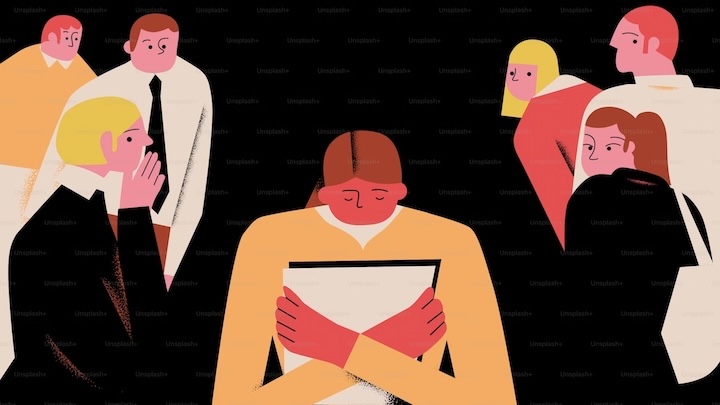
Most people imagine toxic workplaces as places filled with shouting bosses, public humiliation, or outright bullying. But for many employees, that’s not what makes coming to work emotionally exhausting. It’s something quieter.
A message that never receives a reply.
A meeting where your contribution is ignored until someone else repeats it.
The colleague who consistently speaks over you.
An email answered with unnecessary sharpness.
The subtle feeling that your presence is tolerated rather than valued.
These moments may seem too small to matter. Yet, over weeks, months, or years, they accumulate into something surprisingly heavy.
Researchers call this workplace incivility—low-intensity disrespectful behavior that violates the norms of mutual respect without necessarily crossing the line into overt harassment.
Unlike obvious bullying, workplace incivility often hides in plain sight. It is easier to dismiss because each incident appears insignificant on its own. Together, however, they create an environment where people begin to feel psychologically unsafe.
Wellness covers nutrition, exercise, or preventive medicine. It’s also about the environments we spend our lives in. Many people spend eight or more hours a day at work. If that environment slowly chips away at their sense of dignity, that is a wellness issue.
The Brain Doesn’t Shrug It Off
One of the most surprising findings in organizational psychology is that our brains treat social rejection as a genuine threat.
Being ignored, excluded, or repeatedly dismissed activates many of the same neural pathways involved in processing physical pain. Instead of simply moving on, the brain begins replaying the interaction.
Did I say something wrong?
Why didn’t they respond?
Are they angry with me?
What will happen in the next meeting?
This cycle of rumination quietly consumes mental energy that would otherwise be available for creativity, decision-making, and meaningful work.
Eventually, people who are tired from their workload are doubly tired from carrying invisible emotional weight.
When Courtesy Disappears
Technology has transformed the way we work. Remote meetings, instant messaging, and group chats have made communication faster than ever. Yet speed alienates.
A simple acknowledgment, a respectful response, or a few thoughtful words can make someone feel seen.
Their absence can make people feel invisible.
Workplace civility isn’t about rigid hierarchy or outdated formalities.
It’s about recognizing another person’s dignity.
Whether speaking to a junior colleague, a supervisor, or someone we’ve known for years, respect remains one of the healthiest habits any workplace can cultivate.
Courtesy costs nothing, but it can spare someone a great deal of unseen suffering. Every email answered with respect, every colleague acknowledged, every conversation approached with kindness helps create a workplace where people can do more than perform—they can thrive.
Protecting Your Peace
The difficult truth is that we cannot control another person’s behavior.
We can, however, protect our own mental well-being.
Organizational psychologists recommend creating healthy boundaries around difficult interactions. Whenever possible, move emotionally charged conversations into clear, documented communication. Limit unnecessary engagement with consistently disrespectful individuals. Most importantly, resist the temptation to measure your worth by someone else’s inability to show kindness.
Building supportive relationships also matters. One trusted colleague, mentor, friend, or family member can become an emotional anchor during difficult seasons at work. Feeling understood reduces the isolation that incivility often creates.
Outside the office, ordinary habits become powerful forms of recovery.
Walking after work.
Exercise.
Adequate sleep.
Meaningful conversations.
Time away from screens.
These are not luxuries. They help regulate the nervous system after prolonged stress.
READ: The Stress We Normalize at Work — and Why It’s Costly
The Kind of Workplace We Create
Every workplace has policies.
Far fewer have cultures of kindness.
Civility is rarely listed in a job description, yet it shapes how people feel every single day.
Replying to a message.
Acknowledging someone’s contribution.
Listening without interrupting.
Speaking with courtesy, especially when under pressure.
These are small acts.
But they are rarely small to the person receiving them.
In a world that often celebrates efficiency, we sometimes forget that work is still deeply human.
People remember how they were treated long after they forget what was discussed in a meeting.
That is why kindness remains one of the most underrated forms of leadership.
And it remains one of the best ways to protect not only another person’s well-being, but our own.
Photo by Naila Conita for Unsplash+
References
- Journal of Applied Psychology – Workplace Incivility and Employee Well-being
- American Psychological Association (APA) – Work, Stress, and Mental Health
- World Health Organization (WHO) – Mental Health at Work
- National Institute for Occupational Safety and Health (NIOSH)
- Harvard Business Review – Psychological Safety and Workplace Culture