

The pharmacist asks a question that millions of Filipinos hear every single day.
“Branded o generic?”
It is one of the shortest conversations we have about our health.
It usually lasts no more than a few seconds.
Yet hidden inside that ordinary exchange are questions many of us have quietly wondered about.
Does cheaper medicine really work?
Is one generic brand better than another?
If they’re all the same, why are the prices different?
And if I already know what medicine I need, do I even have to see a doctor?
The answers are surprisingly reassuring. After decades of scientific research, rigorous regulatory oversight, and the experience of physicians and pharmacists around the world, one thing has become clear: for most approved generic medicines, the question is no longer whether they work. They do.
Then why do so many of us still struggle to trust them? And an even bigger problem is that many people are trying to answer the wrong question altogether. Before deciding whether to buy a branded or generic medicine, they’ve already diagnosed themselves.
The debate over branded and generic medicines has overshadowed a more dangerous habit: treating ourselves before understanding what we’re treating. Choosing between two scientifically approved medicines matters far less than choosing the right medicine for the right condition. A generic medicine cannot correct a wrong diagnosis, just as a branded medicine cannot cure an illness you never actually had.
The Great Misunderstanding
Generic medicines have lived with an unfair reputation for decades.
Some people assume that because they cost less, they must also work less.
Others believe branded medicines are automatically more powerful simply because they are more expensive.
Neither assumption is absolute nor true.
In the Philippines, every generic medicine legally sold must first pass the standards set by the Food and Drug Administration (FDA). Manufacturers are required to demonstrate that their medicines meet quality requirements for safety, effectiveness, and manufacturing before they can be marketed. For many medicines, evidence of bioequivalence is also required, showing that the generic delivers the active ingredient to the body in a way that is comparable to the reference product.
In simple terms, the medicine that lowers blood pressure, relieves pain, or treats an infection is the active ingredient inside the tablet, not the brand name printed on the box.
Whether that tablet comes from Generika, RiteMed, RHEA, Sandoz, The Generics Pharmacy (TGP), or another FDA-registered manufacturer, what matters most is that it contains the correct active ingredient, in the correct strength, and has met the regulatory standards required for its intended use.
Every tablet has its own unique look. Different manufacturers may use different coatings, fillers, colors, flavorings, or tablet shapes. Some people with allergies or sensitivities to certain inactive ingredients may tolerate one formulation better than another.
But for most patients, FDA-approved generic medicines are expected to provide the same therapeutic benefit as their branded counterparts when used appropriately.
That is precisely why Philippine law encourages the use of generic medicines, to make quality healthcare more affordable without compromising standards.
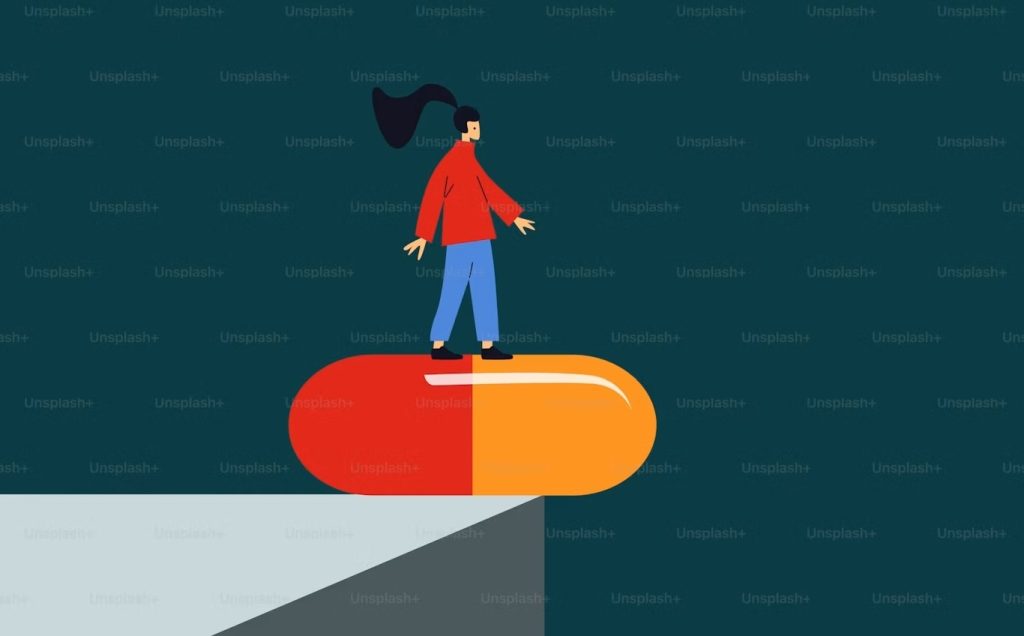
Choosing between generic and branded medicines shouldn’t be a leap of faith. It should be guided by evidence, quality, and informed conversations with your healthcare provider.
Why Are Generic Medicines Less Expensive?
People ask this question all the time.
If generic medicines work similarly, why do they cost so much less?
When a pharmaceutical company develops a new medicine, it spends years and often billions of pesos or dollars on research, clinical trials, and regulatory approval before the product reaches the market. During a limited period, that company may hold patent protection, allowing it to recover its investment.
Once those patents expire, other manufacturers may produce generic versions of the same medicine, provided they meet regulatory requirements.
Because they do not repeat the original drug discovery process, generic manufacturers can usually sell the medicine at a much lower price.
For many Filipino families, this difference matters.
It means maintenance medicines become more affordable, patients are less likely to skip doses because of cost. It means treatment becomes more accessible.
And in public health, access can save lives.
READ: What Doctors Wish You Knew About Preventing Disease
The Real Danger Begins Somewhere Else
Here is where the story changes.
Branded medicines are safe and effective. Generic medicines share the same safety standards.
The real risk often begins long before anyone reaches the pharmacy counter.
It begins when we diagnose ourselves.
The medicine itself will not cause problems.
The diagnosis will.
That distinction is one of the most important lessons in modern healthcare.
Medicines treat diseases.
They cannot diagnose them.
The Cost of Guessing
Self-medication can be risky.
Many over-the-counter medicines have an important place in everyday healthcare when used according to their labels and with the guidance of a pharmacist. A mild headache, seasonal allergies, or a simple fever may often be managed safely with appropriate OTC medicines.
The problem begins when we start treating conditions that require medical evaluation.
When we treat symptoms without understanding their cause, we may delay the diagnosis of illnesses that become more difficult to manage over time. This is why healthcare professionals advise seeking medical attention when symptoms persist, worsen, recur frequently, or are accompanied by warning signs such as chest pain, difficulty breathing, severe pain, high fever, unexplained weight loss, or blood in the stool or urine.
The most important lesson is this: medicines can treat disease, but they cannot diagnose it. Whether a medicine is branded or generic matters only after we know what we’re treating.
The next time you’re standing at a pharmacy counter, you’ll probably hear the familiar question: “Branded o generic?”
It’s a worthwhile question, but the better question is: “Do I know what’s making me sick?”
The safest medicine is the decision to seek the right diagnosis before choosing any medicine at all. The real choice isn’t between branded and generic medicines. It’s between making an informed decision and making a hurried guess.
One can save you money. The other might save your life.
*Photo by Monika Lemeshonok for Unsplash+
References
- World Health Organization (WHO) – Generic medicines
- Philippine Food and Drug Administration (FDA Philippines)
- U.S. Food and Drug Administration (FDA) – Generic Drugs Program
- International Pharmaceutical Federation (FIP)
- Department of Health (Philippines)