

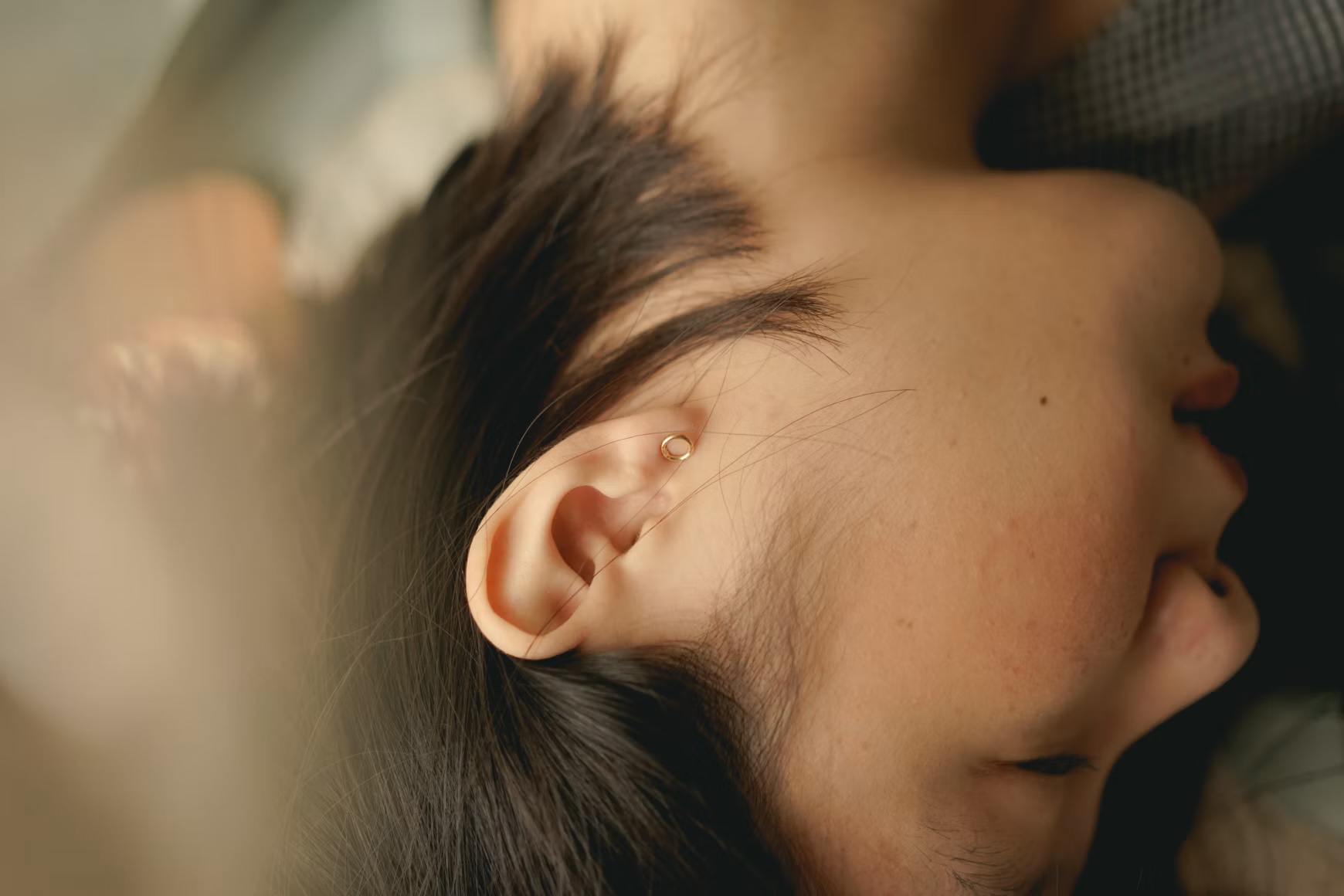
That persistent itch, flaky skin or unusual buildup inside your ears may be more than a simple skin irritation. Psoriasis can affect the ears and, in some cases, interfere with hearing.
Psoriasis is often associated with red, scaly patches on the elbows, knees and scalp. But this chronic inflammatory condition can appear in less obvious places, including behind the ears, around the ear openings and even inside the ear canals.
For some people, the discomfort goes beyond itching and flaking. A buildup of skin cells inside the ear canal can obstruct sound and cause temporary hearing difficulties. Research has also identified a possible association between psoriasis and hearing loss, although the relationship is not yet fully understood.
Understanding the condition, recognizing its symptoms and seeking appropriate treatment can help prevent complications and improve quality of life.
What exactly is psoriasis?
Psoriasis is a chronic, immune-mediated inflammatory disease that causes skin cells to multiply much faster than normal. Instead of taking weeks to mature and shed, new skin cells develop within days. The excess cells accumulate on the surface, forming thick, dry and scaly patches called plaques.
These patches may appear red or pink with silvery scales on lighter skin, while on darker skin they can appear darker, violaceous or brown, sometimes with more pronounced scaling.
Psoriasis commonly affects the scalp, elbows, knees and lower back, but it can develop almost anywhere on the body.
Importantly, psoriasis is not contagious. You cannot catch it through physical contact, sharing personal items or being around someone who has it.
READ: Daily Skin Care: The Quiet Art of Self-love
What causes psoriasis? Can you develop it suddenly?
The exact cause is not fully understood, but scientists know that psoriasis involves an overactive immune system and a combination of genetic and environmental factors.
Having a family history of psoriasis increases the likelihood of developing the condition, although not everyone with a genetic predisposition will develop it.
Certain factors can trigger or worsen flare-ups, including:
- Physical or emotional stress
- Skin injuries, cuts, scratches and sunburn
- Certain infections, particularly streptococcal infections
- Smoking and excessive alcohol consumption
- Some medications
- Obesity and other metabolic risk factors
Psoriasis can develop at any age. Symptoms may appear gradually or seemingly suddenly, and they often follow a pattern of flare-ups followed by periods of improvement.
Can psoriasis affect your ears and hearing?
Yes. Psoriasis can affect the outer ear, the skin behind the ears and the external ear canal.
When it develops in the ear canal, dry, thickened skin and accumulated scales can obstruct the passage through which sound travels. This may cause a feeling of fullness, itching, discomfort and reduced hearing.
In addition, medical research suggests that psoriasis may be associated with sensorineural hearing loss, which involves the inner ear or the auditory nerve rather than a physical blockage.
A 2023 systematic review and meta-analysis published in the medical literature examined 15 studies involving more than 202,000 participants. It found an association between psoriasis and hearing impairment, particularly at higher sound frequencies.
However, this does not establish that psoriasis directly causes hearing loss in every affected person. More research is needed to understand the mechanisms involved.
If you have psoriasis and notice persistent ear discomfort, ringing, dizziness or changes in hearing, consult a dermatologist or an ear, nose and throat (ENT) specialist. Hearing tests may be recommended when appropriate.
A sudden loss of hearing, particularly in one ear, requires urgent medical assessment. Do not assume it is simply earwax or psoriasis.
EXPLORE: Are You Overwashing Your Face? What Healthy Skin Really Needs
Is psoriasis treatable?
Yes. Although there is currently no permanent cure, psoriasis is treatable, and many people achieve significant symptom relief and long periods of good control.
Treatment depends on the type of psoriasis, its severity and the areas affected.
Common treatment options include:
- Topical treatments: Prescription corticosteroid creams or ointments, vitamin D-based preparations and other medicated products help reduce inflammation, scaling and itching.
- Moisturizers: Regular use of gentle, fragrance-free moisturizers helps reduce dryness and skin irritation.
- Phototherapy: Controlled exposure to specific wavelengths of ultraviolet light can help manage more extensive psoriasis.
- Oral medications: Medicines such as methotrexate or other targeted treatments may be prescribed for moderate to severe cases.
- Biologic therapies: These medications target specific parts of the immune system responsible for inflammation and can be highly effective for appropriate patients.
When psoriasis affects the ears, treatment requires particular care because the skin inside the ear canal is delicate. A dermatologist or ENT specialist should recommend appropriate medication. Avoid putting ordinary skin creams, medicated drops or other products inside the ear without medical advice.
How can you manage psoriasis?
Living with psoriasis involves more than treating visible patches. Consistent skin care and awareness of personal triggers can help reduce flare-ups.
Here are some practical measures:
- Keep your skin moisturized. Use gentle, fragrance-free products to help protect the skin barrier.
- Avoid scratching or picking at scales. Skin injuries can trigger new psoriasis patches.
- Identify your triggers. Keep track of stress, infections, medications and lifestyle factors that appear to worsen symptoms.
- Maintain a healthy lifestyle. Regular physical activity, balanced nutrition, adequate sleep and avoiding smoking can support overall health.
- Follow your treatment plan. Psoriasis often requires ongoing management, even when symptoms improve.
- Protect your ears. Avoid inserting cotton swabs, fingers or other objects into the ear canal, especially if you have scaling or irritation.
It is also important to watch for persistent joint pain, swelling or morning stiffness. These may be signs of psoriatic arthritis, an inflammatory condition that can accompany psoriasis and cause permanent joint damage if left untreated.
What is the long-term outlook?
Psoriasis is a lifelong condition, but it does not mean a lifetime of uncontrolled symptoms.
The disease often alternates between flare-ups and periods of improvement. With the right treatment, many people can keep symptoms under control, protect their skin and maintain a good quality of life.
Because psoriasis is an inflammatory disease that can affect more than the skin, long-term care should also consider associated conditions, including psoriatic arthritis and certain cardiometabolic health risks.
The important thing is not to dismiss persistent symptoms as merely a cosmetic concern. Early diagnosis, appropriate treatment and regular medical follow-up can make a meaningful difference.
Psoriasis may be a chronic condition, but it does not have to define how you live. Understanding your body, seeking help early and finding the right treatment can help you take control of your health.
Together for Better Health.
*Photo by Jessica Flavia on Unsplash
Editorial Note
Joyful Wellness provides general, science-informed health information to help readers make informed decisions about their well-being. Our content is intended for educational purposes and does not replace professional medical advice. For personal health concerns or symptoms, readers are encouraged to consult a licensed healthcare professional.
References
National Institute of Arthritis and Musculoskeletal and Skin Diseases (NIAMS), NIH – underlying immune mechanisms, genetics, triggers, symptoms and treatment. NIAMS
National Psoriasis Foundation, medically reviewed March 2026 – psoriasis affecting the ears, ear canal obstruction, management and prognosis. National Psoriasis Foundation
Cleveland Clinic – ear symptoms, potential hearing obstruction and precautions when managing ear psoriasis. Cleveland Clinic
Systematic review and meta-analysis, 2023 – evidence of an association between psoriasis and hearing impairment. Importantly, this is an association, not proof that psoriasis directly causes hearing loss. PubMed
American Academy of Dermatology – individualized treatment, topical medications, phototherapy and systemic therapies. American Academy of Dermatology