

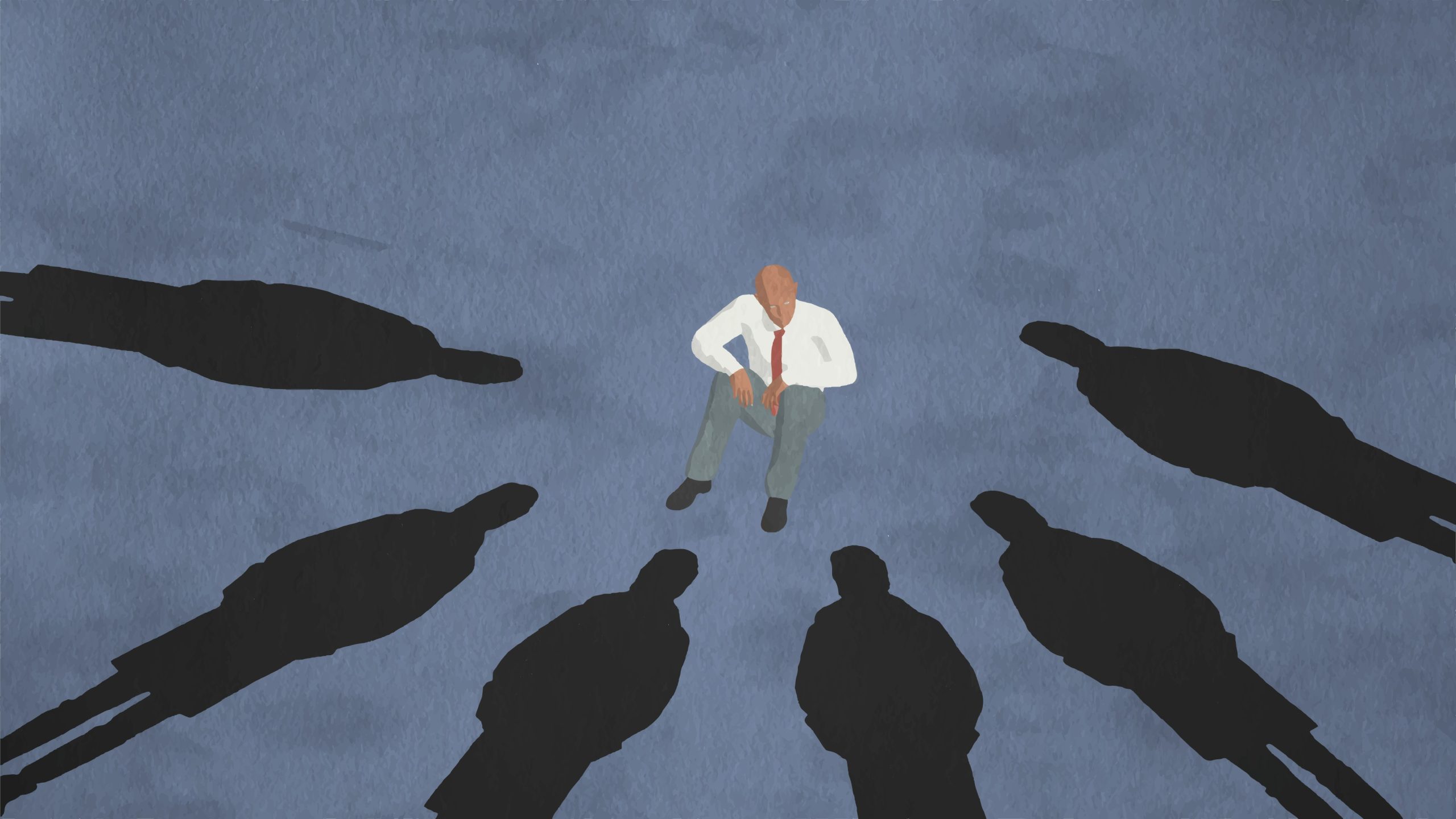
For many men, toughness is worn like a badge of honor. They push through pain, dismiss fatigue, and tell themselves, “I’ll be fine.”
While resilience can be a valuable trait, it can also come at a cost. Delaying medical care often leads to late diagnoses, more complicated treatments, and health problems that might have been prevented or managed earlier.
The Paradox of Strength
Across many cultures, men are often raised to associate strength with endurance. Phrases like “tough it out” and “keep going” reinforce the idea that asking for help is a sign of weakness.
In the Philippines, this pattern is easy to recognize. Many men place family responsibilities, work obligations, and financial concerns ahead of their own health. Looking after others becomes the priority, while preventive care is postponed until symptoms become difficult to ignore.
Yet taking care of one’s health is not a distraction from responsibility, it is part of it.
The Cultural and Behavioral Barriers
The reasons men avoid medical care often run deeper than simple neglect.
Research on men’s health suggests that traditional masculine norms can discourage help-seeking behavior and emotional openness. Fear of receiving bad news, lack of time, financial concerns, and discomfort in medical settings can all contribute to delaying care.
Studies exploring men’s health behaviors have also identified several recurring factors. Many men rely on female partners, family members, or close friends to encourage them to seek medical attention. Concerns about appearing vulnerable, fear of diagnosis, and a tendency to downplay symptoms can further delay action.
For some, seeking help may still feel uncomfortable because of long-held beliefs that illness should be endured rather than discussed. These attitudes can make routine checkups seem unnecessary until a serious problem develops.
EXPLORE: Philippine Men Face Rising Mental Health Struggles
Building a Culture of Prevention
Changing health behavior requires more than information. It requires making preventive care feel normal, practical, and worthwhile.
Normalize Regular Checkups
Preventive care should be viewed as a sign of responsibility rather than weakness. Routine screenings and annual checkups can detect health concerns before they become serious.
Use Positive Role Models
Athletes, fathers, community leaders, and public figures can help reshape perceptions by openly discussing their own health journeys. When respected men prioritize their well-being, others are more likely to do the same.
Make Healthcare More Accessible
Workplace screenings, mobile clinics, and community health programs can reduce barriers to care. Local health centers and businesses can work together to bring basic services closer to where people live and work.
Use Simple Reminders
Text messages, health-tracking apps, and wellness programs can encourage people to schedule appointments and follow through with preventive care.
Bring Health into Everyday Communities
Health education does not have to happen only in clinics. Sports groups, faith communities, workplaces, and civic organizations can become spaces where conversations about health feel natural and supported.
Change Begins at Home
While public health campaigns can help, meaningful change often starts within families and close circles of friends.
Creating an environment where people can speak openly about their health concerns without embarrassment encourages healthier decisions. A simple reminder from a spouse, sibling, child, or friend can sometimes be enough to motivate someone to schedule a long-overdue checkup.
When communities treat vulnerability as a normal part of being human rather than a weakness, healthier habits become easier to adopt.
The Road Ahead
Improving men’s health requires empathy rather than judgment. Avoidance is often rooted in fear, uncertainty, or habit, not indifference.
Encouraging men to seek care means meeting them where they are: in workplaces, gyms, neighborhoods, and communities. It means framing health not as a sign of weakness, but as an investment in the people and responsibilities they care about most.
True strength is not measured by how much pain a person can endure. It is measured, in part, by the wisdom to care for oneself before a problem becomes a crisis.
paris-bilal-IMFPT038CTY-unsplash.jpg
References
World Health Organization. World Health Statistics and Men’s Health Resources. Men’s Health Network. Men’s Health Week educational materials and preventive care resources. Centers for Disease Control and Prevention. Preventive health screening and routine healthcare recommendations. Galdas PM, Cheater F, Marshall P. Men and Health Help-Seeking Behaviour: Literature Review. Journal of Advanced Nursing. 2005. Tudiver F, Talbot Y. Why Don’t Men Seek Help? Family Physicians’ Perspectives on Help-Seeking Behavior in Men. Journal of Family Practice. 1999.