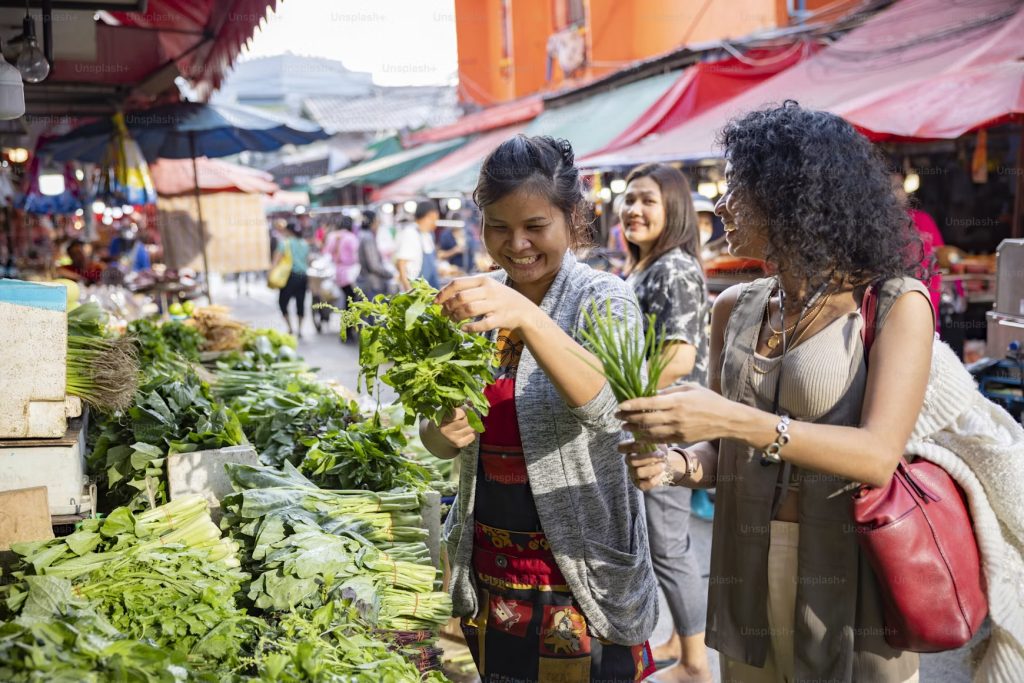


There is a troubling irony in a disease that is largely preventable yet continues to claim the lives of thousands of Filipino women each year.
Cervical cancer remains one of the most common cancers among Filipino women, after breast cancer. According to estimates from the International Agency for Research on Cancer (IARC) and the World Health Organization (WHO), the Philippines recorded an estimated 8,549 new cervical cancer cases and 4,380 deaths in 2023.
For many women, a diagnosis may come after postponing a check-up, feeling embarrassed to ask questions, or mistaking the absence of symptoms for the absence of risk. Cervical cancer often develops gradually, beginning with a persistent infection caused by certain types of human papillomavirus (HPV). Changes in cervical cells can often be detected before they develop into cancer.
The Promise of Prevention
Unlike many other cancers, cervical cancer has a well-established cause: persistent infection with high-risk types of human papillomavirus, or HPV. Most HPV infections clear on their own. However, some persistent infections can cause abnormal changes in cervical cells over several years, potentially leading to cancer.
HPV vaccines can prevent infection from the HPV types responsible for most cases of cervical cancer. The recommendation is to give the vaccine to girls when it works best, at age 9 to 14, before exposure to the virus. In the Philippines, the Department of Health (DOH) provides HPV vaccination primarily through a school-based program for eligible Grade 4 girls in public schools.
While vaccination helps prevent future cases, screening can identify precancerous changes before they progress or detect cancer at an earlier stage. Available screening methods in the Philippines include the Pap smear, visual inspection with acetic acid (VIA), and HPV DNA testing.
In 2025, the Department of Science and Technology’s Health Technology Assessment Council recommended high-risk HPV DNA testing every five years for women aged 30 to 65. It also recommended VIA every three years in settings where HPV DNA testing is not yet available. These recommendations support efforts to make effective screening more accessible.
READ: HPV Vaccines, Fear, and Cervical Cancer: The Girls in White Dresses
Yet HPV vaccination and cervical cancer screening still fail to reach many Filipinos. IARC reported that only 33% of Filipino girls aged 9 to 14 had received at least one HPV vaccine dose in 2022. A separate review published in Frontiers in Medicine reported low completion of the recommended vaccine series. Screening uptake has also been reported to be low, although estimates vary depending on the population, year, and screening method examined.
These gaps reflect more than limited healthcare access. Families may not fully understand HPV or the importance of early vaccination, while concerns about cost, side effects, pain, and embarrassment can discourage prevention. Prevention depends not only on whether vaccines and screening services exist, but also on whether people can access them, understand their importance, and feel supported in seeking care.
The Cost of Missed Prevention
When cervical cancer is detected late, care can become more complex, prolonged, and financially demanding. PhilHealth provides fixed-rate subsidies through its Z Benefits package for eligible patients with cervical cancer. Depending on the treatment and applicable eligibility requirements, benefits include ₱120,000 for specified treatment options and ₱175,000 for chemoradiation using a linear accelerator with brachytherapy.
These benefits are important. They reflect an effort to help protect families from the potentially devastating costs of cancer treatment. But they also underscore the value of prevention and early detection: vaccination and screening can help prevent cervical cancer or identify it before it advances.
From Awareness to Action
Cervical cancer is more than a medical concern. It is also shaped by stigma, fear, and the silence surrounding reproductive health. Breaking that silence means making prevention accessible, affordable, and easier to discuss without shame.
So, what can women and families do now?
Prevention begins with knowing where to turn and what to ask. Parents and guardians can inquire about HPV vaccination for eligible girls through public schools, barangay health centers, or local health offices. They can also ask whether catch-up vaccination is available.
For women, knowing when to begin screening is equally important. Philippine health technology assessment recommendations support HPV DNA testing every five years for women aged 30 to 65, with VIA every three years as an alternative where HPV testing is not yet operational. A healthcare provider can help determine the most appropriate option based on a woman’s age, medical history, and individual circumstances.
Most importantly, do not wait for symptoms before seeking screening. Early changes in cervical cells often cause no noticeable discomfort, which is why screening matters even when a woman feels perfectly healthy. If you are unsure where to begin, ask a trusted healthcare provider which screening option is appropriate for you and what to expect during the procedure.
These questions are a natural part of informed self-care, not something to feel embarrassed about. And when results arrive, make sure you understand the next steps. Whether further testing is needed or routine screening is sufficient, follow-up is an essential part of protecting your health.
The science is already there. The challenge is ensuring that every woman has the information, support, and opportunity to benefit from it. No woman should have to wait for symptoms before taking her health seriously, especially when prevention and early detection can save lives.
*Photo by Charlein Gracia on Unsplash
References
World Health Organization. (2022). Human papillomavirus vaccines: WHO position paper, December 2022. https://www.who.int/publications/i/item/who-wer9750-645-672
World Health Organization. Human papillomavirus (HPV) vaccines. https://www.who.int/teams/immunization-vaccines-and-biologicals/diseases/human-papillomavirus-vaccines-%28HPV%29
Department of Health, Philippines. School-Based Immunization Program updates. https://bicol.doh.gov.ph/news-releases/school-aged-children-vaccinated-during-handog-ng-pangulo-libreng-serbisyong-medikal/