

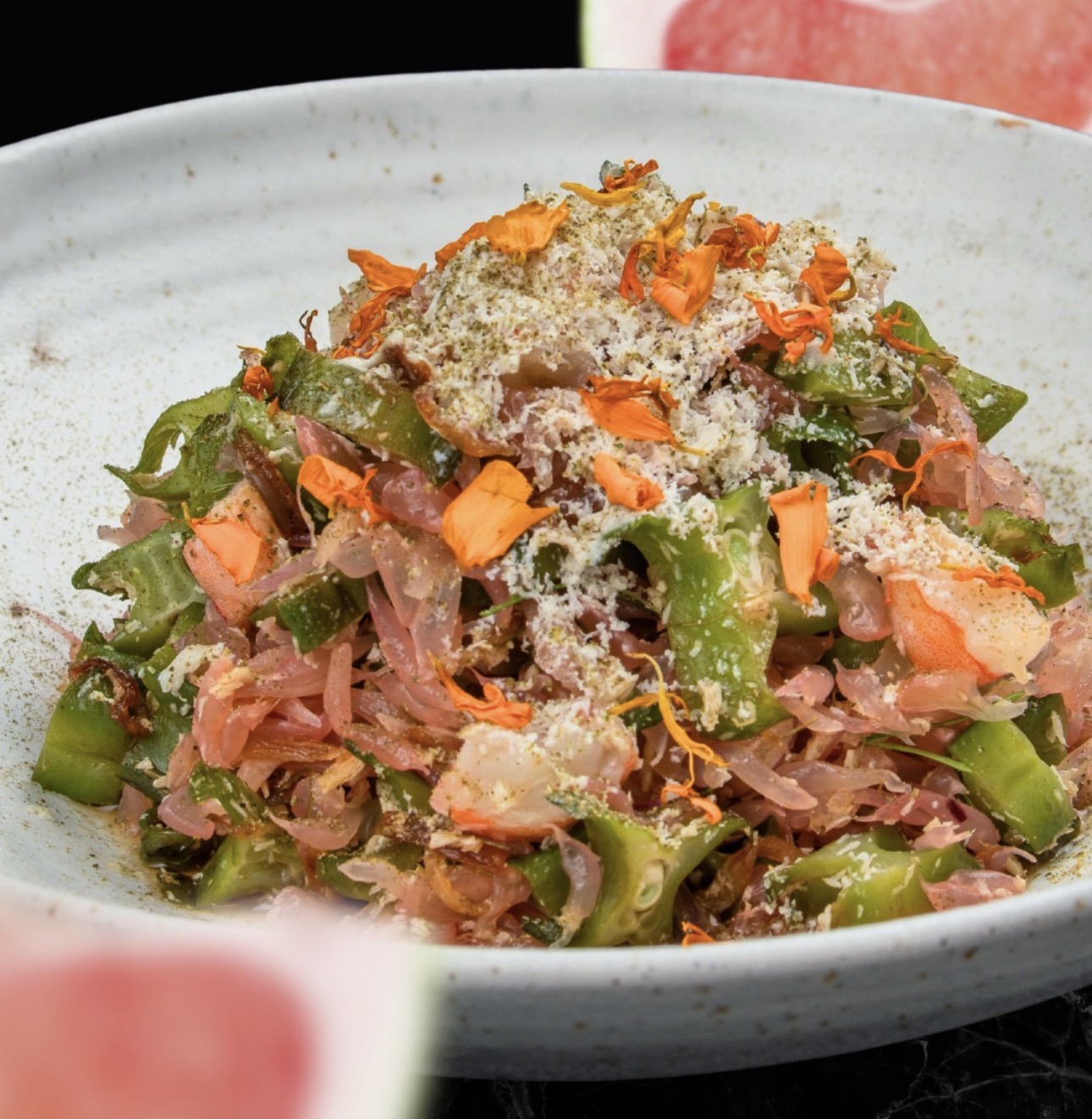
There is something wonderfully reassuring about an old piece of nutrition advice that survives the decades.
In 1985, A. Stewart Truswell wrote ABC of Nutrition: Some Principles for the British Medical Journal. His subject was nutrition, but his larger point was about how we think about food. Nearly four decades later, it still feels useful.
We have since accumulated protein powders, probiotic drinks, seed oils to fear, superfoods to worship and enough conflicting diet advice to make lunch feel like a research project.
Yet some basics remain stubbornly sensible.
READ: The Joyful Plate: Weekly Nutrition Hacks That Actually Work
A is for abundance
Not abundance of food, necessarily, but abundance of variety. Our bodies need many nutrients, and no single food can supply everything. Vegetables, fruits, whole grains, legumes, nuts, fish, eggs and other protein-rich foods each bring something different to the table. The World Health Organization continues to emphasize diets built around vegetables, fruit, whole grains, legumes and nuts, while limiting excess salt, free sugars and unhealthy fats.
B is for balance
Nutrition is not a contest between carbohydrates and protein, or between fat and sugar. It is about the pattern created by what we eat regularly. A bowl of rice does not need an apology. Neither does an occasional slice of cake. Context matters.
C is for common sense
Good nutrition should be possible on an ordinary Tuesday, with an ordinary budget, in an ordinary Filipino kitchen.
This is where Pinggang Pinoy remains refreshingly practical. Developed by the DOST-Food and Nutrition Research Institute with health-sector partners, the familiar plate guide gives Filipinos a simple way to think about a meal: vegetables and fruit take up half the plate, while staple foods and protein-rich choices make up the rest. It is a guide to proportions, not a prescription for a joyless life.
And perhaps this is where eating well becomes especially human. A good meal is not only about what is on the plate; it is also about how we experience it. A thoughtfully prepared meal shared around a table can nourish appetite, conversation and connection at the same time.
EXPLORE: Perimenopause Nutrition Guide: How Food Helps You Through the Midlife Shift
Restaurant Aurora understands that pleasure belongs at the table, too. Its food reminds us that eating well need not mean eating without enjoyment. There is room for nourishment, flavour, discovery and the simple pleasure of sitting down to a good meal.
After all, a healthy pattern of eating has to be one we can actually live with—and, ideally, one we look forward to.
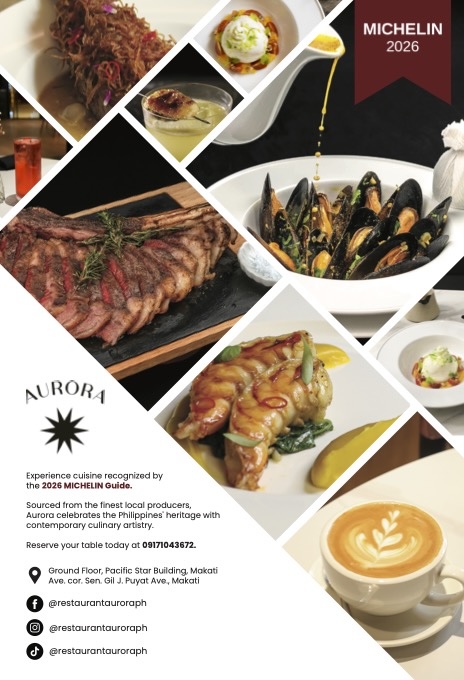
*Photo from Aurora Restaurant
Because good nutrition is not supposed to make life smaller.
It is supposed to help us live more of it.
*Photo from Philstar Life (A culinary oasis for corporate warriors: Where weekday dining feels like a weekend reward)
Reference:
Truswell AS. ABC of Nutrition: Some Principles. British Medical Journal. 1985;291:1486–1490.