

At the end of a full day, dinner can feel like a small exhale. After the noise of work, errands, screens, and everything else the day asks of us, there is something comforting about sitting down to a meal that feels familiar: a warm bowl of monggo, garlic-sautéed kangkong, tender kalabasa, or rice shared around the table. These are more than foods we know how to cook. They carry something of home—the flavours we grew up with and the quiet feeling of returning to something rooted and familiar.
Perhaps that is also what makes dinner a gentle place to think about eating more plants. It does not require a strict diet, an expensive grocery list, or giving up the foods we grew up with. In many Filipino kitchens, vegetables have been part of the table all along.
A plant-forward meal simply gives them more room. Vegetables, fruits, beans, nuts, whole grains and other plant foods can take up a greater share of the plate, while familiar sources of protein such as fish, eggs, chicken, pork and tofu can remain part of the meal.
For Filipino families, the adjustment can be ordinary: adding more kalabasa to the monggo, putting kangkong beside the fish, adding eggplant and sitaw to the pan, or letting vegetables become the heart of dinner rather than an afterthought.
A gap on the Filipino plate
The case for eating more vegetables is not simply a wellness trend. It responds to a documented nutritional gap.
The Department of Science and Technology–Food and Nutrition Research Institute’s 2021 Expanded National Nutrition Survey found that Filipino adults consumed an average of only 58 grams of vegetables daily, or less than one cup. Fruit consumption was even lower, at 17 grams a day.
Both figures fall well below the World Health Organization’s recommendation that people aged 10 and above consume at least 400 grams of fruits and vegetables daily. Fruits and vegetables provide dietary fibre, vitamins, minerals and other nutrients that form part of a healthy eating pattern and are associated with a lower risk of noncommunicable diseases.
A single dinner cannot make up an entire day’s nutritional needs. But it can be one place to begin.
Filipino dietary guidance already offers a familiar framework through Pinggang Pinoy, developed by DOST-FNRI. The guide recommends filling half of the plate with vegetables and fruits, with the remaining space divided between rice or other energy-giving foods and protein-rich foods.
The message is not that rice or meat must disappear. Rather, it asks what else can share the plate.
Let familiar food do more
Plant-forward eating does not have to mean replacing Filipino food with unfamiliar “health foods.” Many ingredients already found in Filipino kitchens can form the foundation of a nourishing meal.
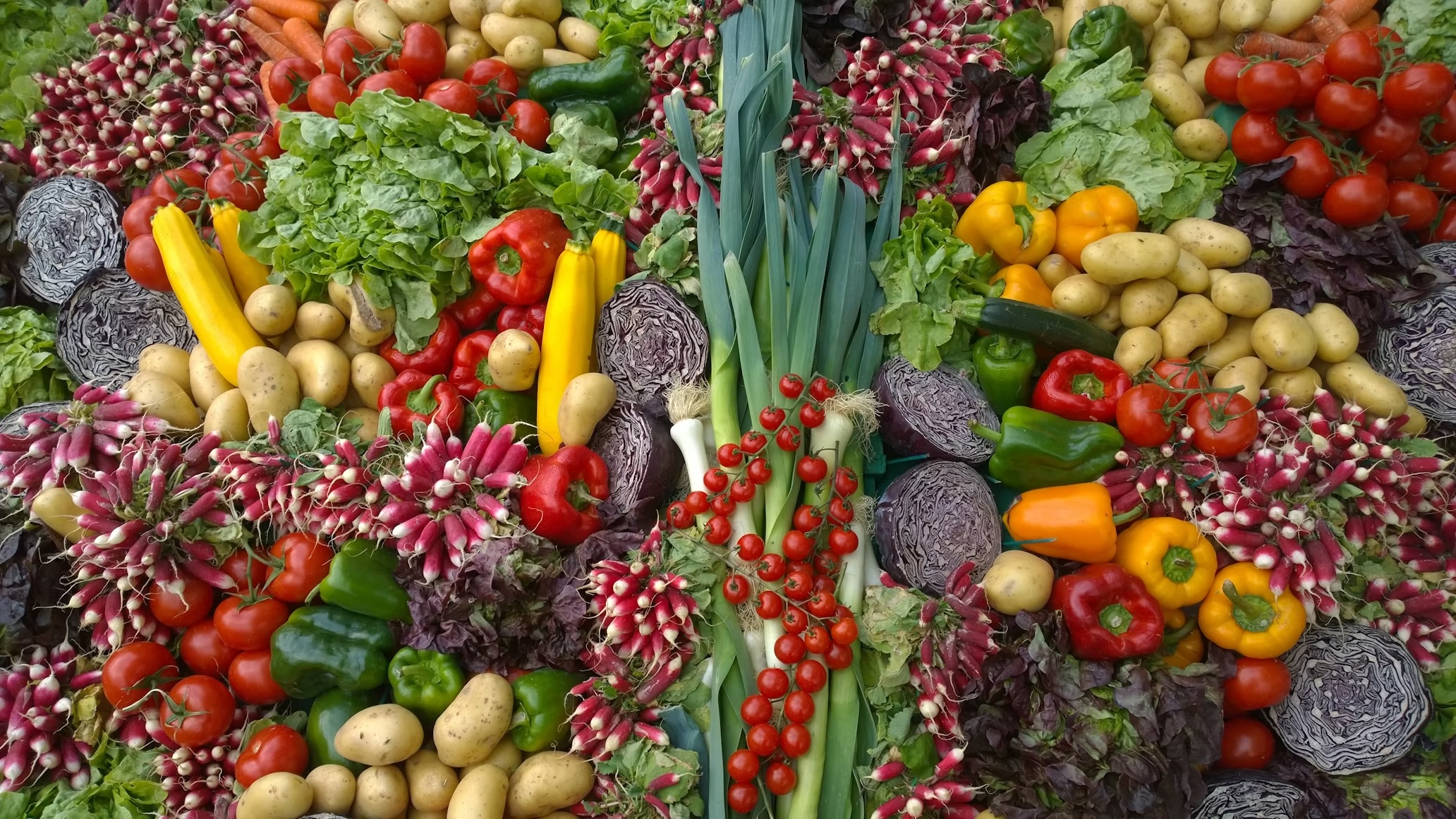
Munggo and other beans provide plant-based protein and fibre. Leafy vegetables such as malunggay, kangkong, pechay and saluyot add variety, while squash, eggplant, sitaw, tomatoes and other vegetables contribute colour and nutrients.
They can also be prepared in ways that feel unmistakably Filipino:
- Ginataang kalabasa at sitaw with tofu or a small amount of shrimp
- Vegetable kare-kare with eggplant, pechay and sitaw
- Tomato-based monggo with malunggay and squash
- Eggplant, tofu and green beans cooked adobo-style
- Vegetable soup with corn, cabbage, pechay and beans
The goal is to let vegetables be satisfying in their own right—the sweetness of squash, the softness of eggplant, the earthiness of mushrooms, the freshness of tomatoes, all brought together by the garlic, onion, ginger, vinegar, calamansi and coconut milk already familiar to Filipino cooking.
READ: The Joyful Plate: Weekly Nutrition Hacks That Actually Work
Make it practical
Eating well is also shaped by realities beyond nutrition. Time, budget and food prices influence what families can reasonably put on the table. In July 2026, vegetables, tubers, plantains, cooking bananas and pulses accounted for 13.9 percent of the contribution to national food inflation, according to the Philippine Statistics Authority.
That makes flexibility important. Plant-forward cooking does not need to follow a fixed recipe. Kangkong can replace pechay. Cabbage can stand in for other leafy vegetables. Squash can replace carrots. Munggo or tofu can add substance when meat is expensive.
A simple approach is to start with what is available: one or two vegetables, a filling source of protein, a familiar carbohydrate such as rice, camote or gabi, and whatever aromatics are already in the kitchen.
For those with the space, growing a few vegetables or herbs can help, too. DOST-FNRI reported that around six in 10 Filipino households have vegetable gardens.
Even a small collection of pechay, kangkong, malunggay or herbs can make fresh ingredients feel a little closer to home.
One fuller plate at a time
Healthy eating can easily become another standard we feel pressured to meet. But a nourishing pattern is built over time, not decided by one perfect dinner.
Perhaps the gentler approach is simply to make a little more room.
More malunggay in the pot. Another vegetable beside the fish. Munggo stretched with squash and greens. Fruit placed on the table when it is available.
A plant-forward dinner is not about chasing an ideal plate or abandoning the tastes of home. It is about giving vegetables, variety and nourishment a more visible place in the meals we already know.
At the end of a long day, that is a fitting place to begin: with food that feels familiar, a table that allows us to slow down, and a little more room for the things that nourish us.
*Photo by Chantal Garnier from Unsplash
References
DOST-FNRI — 2021 Expanded National Nutrition Survey
Food and Nutrition Research Institute, Department of Science and Technology. “Pinoy adults, older persons need to consume more fruits and veggies – DOST-FNRI.” June 10, 2024.
DOST-FNRI: Pinoy adults, older persons need to consume more fruits and veggies
World Health Organization — Healthy Diet
World Health Organization. Healthy diet. Updated January 26, 2026.
World Health Organization: Healthy diet
DOST-FNRI — Pinggang Pinoy
Food and Nutrition Research Institute, Department of Science and Technology. Pinggang Pinoy for Filipino Adults.
DOST-FNRI — Household Vegetable Gardens
Food and Nutrition Research Institute, Department of Science and Technology. “Adopt simple ways to fight hunger and malnutrition, DOST-FNRI advices Pinoy households.” June 10, 2024.
DOST-FNRI: Adopt simple ways to fight hunger and malnutrition
Philippine Statistics Authority — Food Prices, July 2026
Philippine Statistics Authority. Summary Inflation Report Consumer Price Index (2018=100): July 2026.