Simple ways to protect your money before the holiday shopping rush
The same weeks that kick off the country’s famously long Christmas season also kick off something considerably less festive: a busy season for scams.
As shopping continues, 11.11 and 12.12 sale banners begin to flood our notifications, and gift budgets start piling up, so do the fake sellers, fake delivery texts and fake bank alerts designed to relieve you of your holiday budget before it ever reaches an actual gift.
Locking down a digital wallet is not a one-time setup task. It’s closer to a seasonal habit, and right now, ahead of the year’s busiest shopping stretch, is exactly the right time to do it.
The Current Scale of the Problem
It’s worth being honest about how big this problem actually is before getting into the fixes.
A TransUnion survey released in 2026 found that 72% of surveyed Filipino consumers reported being targeted by digital fraud attempts between August and December 2025, compared with 53% globally. More than a third—38%—said they lost money to digital fraud during the year, with a median reported loss of around ₱50,000. These figures don’t mean that seven in ten Filipinos were successfully scammed; they mean they encountered an attempted fraud during the period covered by the survey.
That’s still a striking level of exposure.
The government has started responding at the policy level, too. Republic Act No. 12010, the Anti-Financial Account Scamming Act (AFASA), took effect in 2024 and established offenses related to financial account scamming, including money-mule activities and other schemes involving financial accounts. It also strengthened responsibilities for financial institutions and the mechanisms for investigating and responding to these crimes.
The Bangko Sentral ng Pilipinas has also strengthened fraud-management requirements for supervised financial institutions. These include real-time fraud monitoring, transaction limits or thresholds, monitoring of changes to account and device information, behavioral-anomaly detection and other controls designed to identify suspicious activity.
None of this means the problem is solved. It means the fight is active, ongoing and, right now, worth your own participation in.
READ: The Eight Dimensions of Wellness You Should Know
The “12 Scams of Christmas”: What’s Circulating During the Holidays
Scam Watch Pilipinas and the Cybercrime Investigation and Coordinating Center (CICC) have used the “12 Scams of Christmas” campaign to educate Filipinos about recurring holiday fraud patterns. Previous campaigns have highlighted fake shipping and delivery notifications, fake shopping websites and sellers, tech-support scams, fake relatives or friends, investment scams and other schemes.
The names and tactics evolve, but several patterns are worth recognizing.
- Fake shopping pages. Scammers may create fake social-media pages, websites or seller accounts that imitate legitimate businesses. A convincing page, attractive discount or familiar-looking logo is not proof that the seller is genuine. The safest approach is to verify the seller through an official channel before paying.
- Cash-on-delivery fraud. Fake delivery notifications and unexpected COD parcels remain a recurring scam pattern. If you receive a package you did not order, don’t assume someone sent you a surprise gift. Verify the order through the legitimate platform or delivery service before accepting or paying for it.
- Smishing (SMS phishing). Scam texts try to persuade recipients to click a link, provide personal information or make a payment. Some messages may even appear alongside legitimate texts, which is one reason the sender name alone should never be treated as proof of authenticity.
- Quishing (QR-code phishing). Fraudsters can replace or alter legitimate QR codes so that a payment goes to the wrong recipient. This is particularly important in busy public places where a sticker can be placed over an existing code. Always check the recipient displayed by your payment app before confirming a transaction.
- The “wrong transfer” scam. Someone may claim to have sent money to you by mistake and ask you to return it. Don’t immediately send the money back based solely on a screenshot or message. Check your actual account history and contact your financial institution if you’re unsure how to handle an unexpected transfer.
The broader lesson is simple: a message can look authentic and still be fraudulent.
Why These Scams Work: It’s Often About Pressure
Scammers don’t always need to break into a financial system. Many schemes work by persuading people to hand over information, authorize a payment or follow instructions themselves.
BSP guidance specifically warns consumers about phishing, smishing, identity theft and other forms of fraud, while its current fraud-management rules require supervised financial institutions to strengthen controls against suspicious transactions and social-engineering-related risks.
The holidays make that pressure easier to manufacture.
Bigger budgets, tighter timelines, sale countdowns and the general rush of end-of-year spending all create exactly the kind of distracted mindset that can make someone click a link they’d otherwise ignore or skip a verification step they’d normally take.
The scammer’s advantage is often not superior technology.
It’s the few seconds you don’t stop to think.
Locking Down Your Digital Wallet Before the Shopping Rush
A few concrete habits can meaningfully reduce your exposure, and most take only minutes to put in place.
- Never share your MPIN, password or OTP with anyone. Treat these as private credentials. If someone claiming to be from your bank or e-wallet asks you to disclose one, stop the conversation and contact the institution through its official app, website or customer-service channel.
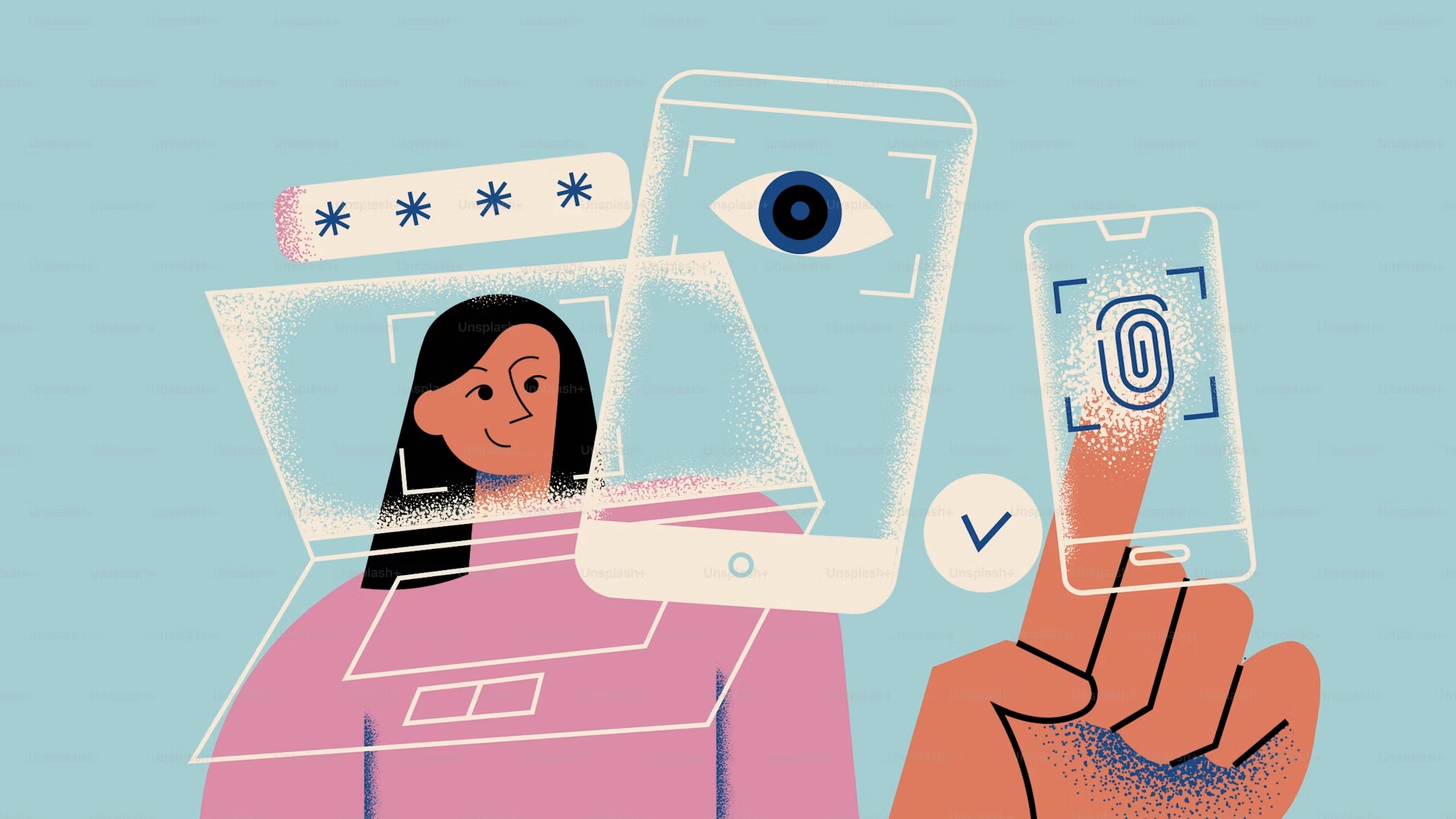
- Use the strongest authentication your provider offers. BSP rules require supervised financial institutions to strengthen authentication and limit reliance on interceptable methods such as SMS and email OTPs, particularly as social-engineering risks increase. Depending on the institution and transaction, this can include biometrics, device-based authentication or other strong-authentication methods.
- Never install a remote-access app because an unsolicited “support agent” tells you to. Giving someone remote access to your device can expose sensitive information and account credentials.
- Treat unexpected links with suspicion. Instead of tapping a link in an unsolicited text or email, open the official app yourself or type the institution’s known web address manually.
- Set transaction limits where your bank or e-wallet allows it. A lower limit can reduce potential losses if an unauthorized transaction gets through. Review your security settings before the holiday shopping season begins, rather than after something goes wrong.
- Keep your operating system and financial apps updated. Updates can include security fixes, so don’t ignore them simply because the app appears to be working normally.
DISCOVER: Financial Wellness: Money and Meaning
Shopping Safely During Peak Season
Once your wallet itself is locked down, the same caution needs to extend to how you actually shop.
- Use the platform’s official checkout system. On major marketplaces, stay within the platform’s payment and dispute mechanisms rather than sending a direct transfer to an unfamiliar seller who contacts you outside the platform.
- Pause before paying for a “too-good-to-be-true” deal. An unusually low price is not proof of a scam, but extreme discounts are a common way to create urgency. Verify the seller, website and payment instructions before proceeding.
- Be cautious with unexpected COD parcels. If you did not place the order, don’t pay simply because a rider has arrived at your door. Verify the order first through the legitimate delivery or shopping platform.
- Inspect QR codes before scanning them. Look for signs that a code has been placed over another one, and most importantly, check the recipient name and other payment details displayed by your app before you confirm.
- Check the recipient before you send. A payment app normally displays the recipient or account name before confirmation. If the name doesn’t match the business or person you intended to pay, stop and verify.
If Something Goes Wrong: What to Do Immediately
Even careful users get targeted, and knowing what to do in advance can save precious time.
Contact your bank or e-wallet provider immediately through its official customer-service channel to report the transaction. Ask what steps are available to secure the account and dispute or investigate the transaction. BSP rules require supervised institutions to maintain reporting channels for unauthorized or fraudulent transactions.
If the concern involves a BSP-supervised financial institution and remains unresolved after you’ve raised it with the institution, you can escalate it through the BSP Consumer Assistance Mechanism. BSP specifically advises consumers to contact the financial institution first before escalating the complaint.
For suspected online scams and cybercrime, you can also report to the CICC through 1326, as well as the appropriate law-enforcement agency. The CICC’s current anti-scam materials list 1326 as its reporting hotline.
Preserve everything: screenshots of conversations, transaction references, receipts, phone numbers, URLs, account names and fraudulent seller profiles. Don’t delete the evidence simply because the conversation is upsetting or embarrassing. It may be useful when you report the incident.
The Philippines’ holiday shopping season and its holiday scam season can run on the same calendar, which makes September—not December—a good time to secure your digital wallet.
Most scams don’t require sophisticated hacking. They rely on urgency, distraction and trust.
A few minutes spent checking your security settings, protecting your credentials and knowing where to report a problem now could matter far more in December than any sale discount will.
The best holiday defense may be the few seconds you give yourself to stop, check and think before you pay.
*Photo by Naila Conita for Unsplash+
References
- TransUnion. Filipinos Face Widespread Digital Fraud Exposure Despite Lower Financial Losses. 2026.
- Bangko Sentral ng Pilipinas. Anti-Financial Account Scamming Act (Republic Act No. 12010) and Implementing Rules and Regulations. 2025.
- Bangko Sentral ng Pilipinas. Circular No. 1213: Amendments to the IT Risk Management System. 2025.
- Bangko Sentral ng Pilipinas. Consumer Assistance Mechanism. 2025–2026.
- Cybercrime Investigation and Coordinating Center. Kontra Scam Brochure. 2025.
- Scam Watch Pilipinas. #HolidayWatchPH: 12 Scams of Christmas.