

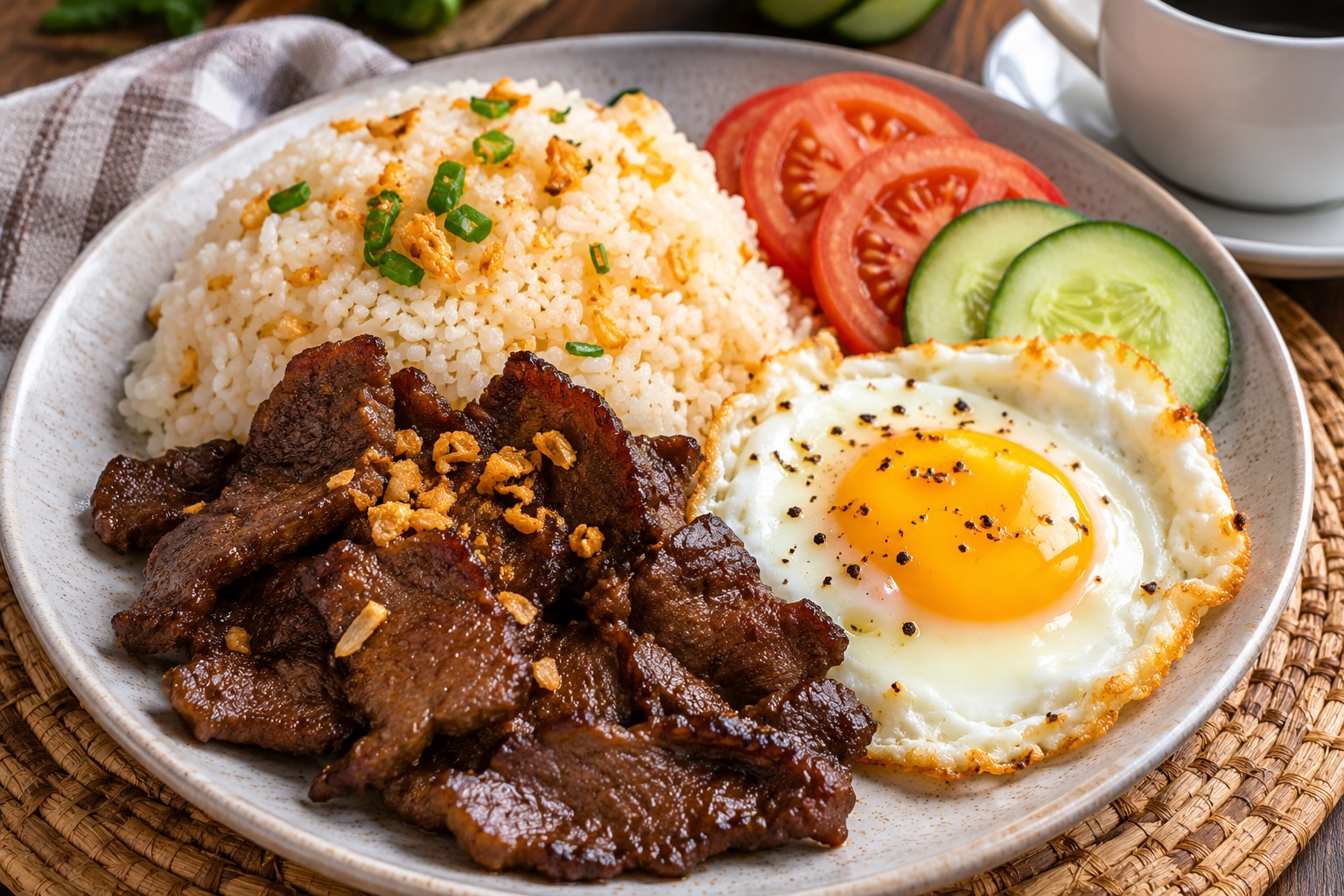
From tapsilog and pandesal to rice and coffee, Filipino breakfasts are comforting and familiar. But are they giving our bodies the nutrients they need?
There is something comforting about a Filipino breakfast. It could be garlic rice sizzling in the pan, a freshly fried egg beside tapa, or warm pandesal dipped into coffee. For many households, breakfast is simply about getting everyone fed before the day begins.
But here’s a question worth asking: Are we eating breakfast for nourishment, or simply out of convenience?
A healthy breakfast doesn’t have to be expensive or complicated. What matters is choosing foods that provide a good balance of protein, fiber, carbohydrates and other essential nutrients.
What does the research say?
A 2022 study published in Nutrition Journal examined breakfast habits using data from 63,655 Filipinos who participated in the 2018 Expanded National Nutrition Survey.
Researchers found that while most Filipinos regularly ate breakfast, the nutritional quality of these meals could be improved.
Filipino breakfasts tended to be high in carbohydrates but low in fiber and certain essential nutrients. Among adults, breakfast provided an average of approximately 426 calories, 12.9 grams of protein and just 1.9 grams of fiber.
The takeaway? Eating breakfast regularly is a good opportunity to nourish the body, but what we put on our plates matters.
What makes a balanced breakfast?
Three important components can help make your morning meal more satisfying and nutritious.
Protein helps keep you satisfied. Eggs, fish, milk, yogurt, tofu and beans provide protein, which supports muscle maintenance and tissue repair. Including protein in breakfast can also help with fullness.
Fiber supports digestion and blood sugar control. Fruits, vegetables, oats, whole grains and beans provide fiber, which supports gut health and helps regulate the absorption of carbohydrates.
Carbohydrates provide energy. Rice and bread are not enemies of a healthy diet. However, refined carbohydrates such as white bread and white rice contain less fiber than whole-grain alternatives. Pairing them with protein and fiber-rich foods can help moderate blood sugar responses.
Can our favorite Filipino breakfasts be healthier?
Absolutely. We don’t have to give up our traditional favorites. A few simple adjustments can make a difference.
- Tapsilog: Keep the tapa and egg, but moderate the garlic rice and add tomatoes or other vegetables. Be mindful of the sodium in processed or heavily seasoned meat.
- Pandesal and coffee: Add an egg, cheese or peanut butter, plus a piece of fruit. Reduce added sugar in your coffee.
- Tuyo and rice: Enjoy moderate portions, since dried fish can be high in sodium. Add tomatoes or vegetables.
- Champorado: Moderate the added sugar, use milk for protein and calcium, and consider pairing it with an egg.
The goal isn’t to label familiar foods as good or bad. It’s to make them more nutritionally complete.
DISCOVER: Fueling Your Body: A Guide to Healthy Eating
Five easy breakfast combinations to try
You don’t need an elaborate meal plan to eat better. Try these affordable combinations:
- Rice, egg, tomatoes and a serving of fruit.
- Pandesal with peanut butter and banana.
- Oatmeal with milk and papaya.
- Sardines, rice and vegetables.
- Boiled kamote, egg and fresh fruit.
The DOST-FNRI’s Pinggang Pinoy guide offers a useful visual reminder: aim for half your plate to consist of fruits and vegetables, with the remaining portions divided between carbohydrates and protein-rich foods. Individual needs and portions may vary.
What about coffee and sugar?
For many Filipinos, breakfast isn’t complete without coffee. Coffee itself is not necessarily a problem for most healthy adults. The bigger concern is often the amount of sugar and sweetened creamer added to it.
The World Health Organization recommends keeping free sugars below 10% of daily energy intake, ideally below 5%.
Try gradually reducing the sugar in your coffee or choosing unsweetened alternatives. The same advice applies to sweetened fruit drinks and commercially prepared beverages.
Is breakfast really the most important meal of the day?
Not necessarily. Although breakfast can help people meet their nutritional needs, research has not established that everyone must eat it to remain healthy or lose weight.
What matters is the quality of your overall diet, your nutritional requirements and your daily eating habits.
If you wake up hungry, a balanced breakfast is a sensible choice. If you prefer eating later, make sure your meals throughout the day provide the nutrients your body needs.
A better morning starts with better choices
We don’t have to abandon tapsilog, pandesal or our morning coffee to eat well. We simply need to be more intentional about what goes on our plates.
Add fruit, include protein, choose fiber-rich foods and watch the added sugar and salt.
Breakfast may be just one meal, but it is an opportunity to make nourishment part of our everyday routine.
Tomorrow morning, before reaching for that first cup of coffee, ask yourself: Am I giving my body what it needs to start the day well?
Together for Better Health.
Editorial Note:
This article provides general information and does not constitute medical advice. Consult your healthcare provider for personalized recommendations. If symptoms persist, consult your doctor.
References
1. Angeles-Agdeppa, I., et al. (2022). Breakfast in the Philippines: Food and diet quality as analyzed from the 2018 Expanded National Nutrition Survey. Nutrition Journal, 21, 52. Read study
2. DOST-FNRI. Pinggang Pinoy: Healthy Food Plate for Filipino Adults. FNRI
3. World Health Organization. Healthy Diet. WHO
4. World Health Organization. Guideline: Sugars Intake for Adults and Children. WHO