

Understanding Revenge Bedtime Procrastination—and Why Exhausted Teenagers Can’t Seem to Go to Sleep
When 16-year-old Sophia drags herself through school but stays online until 2 a.m., it’s easy to label her a rebel who isn’t taking care of herself. Yet, many teens like her are practicing what experts now call revenge bedtime procrastination: staying awake late to reclaim the alone time they never got during the day. This isn’t just occasional late-night cramming or a single big game; it’s a recurring pattern driven by a perceived lack of daytime control and a strong desire for “me time”.
What is revenge bedtime procrastination?
Revenge bedtime procrastination is the deliberate delaying of sleep to spend more time on personally rewarding activities such as scrolling through social media, talking to friends, reading books, playing video games, watching shows or videos, or simply zoning out. Teens do this even though they know it will leave them tired the next day. The “revenge” part comes from feeling like the day was monopolized by duties, so the night becomes the only time to take back a sense of freedom. Experts describe it as people who lack control over their daytime lives choosing to forgo sleep to regain autonomy during late hours.
It’s different from occasional late nights caused by special events. Revenge bedtime procrastination is a habit: a consistent pattern where the teen refuses to go to bed at the intended time, without any external reason keeping them up.
Why teens do it
Several overlapping factors make revenge bedtime procrastination especially common in adolescents:
Packed Schedules
Many teens feel their days leave almost no room for free time. They spend most of their day in classes, homework, extracurriculars, family obligations, and sometimes part-time jobs. By the time they finish chores and shower, it’s already late, and the only time nobody is asking them for anything is the night.
A Need for Independence
Evening as the only autonomy window: From the moment the alarm goes off, their day is “owned” by others—teachers, coaches, parents. The window from around 10 p.m. to 1 a.m. is the only time they feel like an independent person. Staying up late becomes their way of reclaiming “me time” by scrolling, gaming, or watching videos.
Endless Digital Entertainment
High-engagement digital activities: Modern platforms (social media, streaming, multiplayer games) are designed to be highly engaging and reward continued use. Algorithms push endless content, and games reward persistence, creating strong temptations to delay sleep.
The Teenage Body Clock
Biological shift toward later sleep timing: Adolescence brings a natural shift in circadian rhythm toward a “night-owl” tendency, making it easier to stay up late and harder to fall asleep earlier.
Stress and Burnout
Stress, burnout, and academic pressure: High stress and exhaustion increase the impulse to escape into leisure at night. When teens are burned out, late-night scrolling or gaming becomes an easy form of stress relief, even when they’re physically tired.
Online Mode
Pandemic and online learning effects: The pandemic aggravated bedtime procrastination, with students stuck at home and learning online, blurring the boundary between necessary screen time and obsessive use.
What staying up late does to teens
Insufficient sleep has wide-ranging effects on teens:
- Emotional impact: Poor sleep weakens emotional regulation, increasing irritability, mood swings, and sensitivity to stress. Teens become harder to soothe and more likely to react strongly to everyday frustrations.
- Cognitive and academic effects: Short or mistimed sleep undermines attention, memory, reaction time, and learning. This translates into worse academic performance, more mistakes, slower problem-solving, and increased sleepiness during class.
- Mental health risks: Over time, chronic sleep loss can impair immune function and contribute to anxiety and depressive symptoms, especially in vulnerable teens. Some studies link sleep procrastination to low mood and heightened anxiety.
- Safety concerns: Sleepy teens are at higher risk for dangerous driving, poor decision-making, and accidents. In severe cases, chronic sleep disturbance can coincide with suicidal ideation or other safety issues.
READ: Why Teen Anxiety Continues to Rise—And What Parents Can Do About It
Practical steps parents and schools can take:
Give Teens More Daytime Freedom
Build small, predictable windows for choice and self-directed time during the day:
- Short breaks between classes where teens can do something they choose.
- Lighter homework nights or “no-homework” evenings.
- At least an hour of “do nothing” or alone time so they don’t feel the need to steal it at night.
This reduces the need to “revenge” the day by stealing hours from the night.
Build Gentle Evening Routines
Set a wind-down period 30–60 minutes before bed that avoids screens and uses calming activities:
- Reading a physical book.
- Hygiene routines (brushing teeth, washing face).
- Dim lighting and gentle stretches.
- Listening to a calm podcast or quiet music.
Follow the same routine each night to cue the brain for sleep.
Reduce Screen Before Bed
- Replace all-night scrolling with a one-hour tech-free buffer before lights-out.
- Use device settings like night mode, scheduled downtime, or app limits to reduce temptation.
- Make the bedroom a low-screen zone: power down devices with screens, dim or turn off lights, and consider white noise to mask disruptive sounds.
Address the Real Sources of Stress
Collaborate with schools and families to:
- Manage workload and avoid excessive homework.
- Teach time management and planning skills.
- Offer counseling when burnout or anxiety is present.
- Use tools like a brain dump journal: before bed, write down worries and tasks so the mind can rest.
Seek Professional Help When Needed
Adolescents with chronic sleep disturbance should be evaluated by their pediatrician or a sleep specialist if:
- Sleep problems persist despite routine changes.
- Low mood, anxiety, or irritability worsen.
- Safety concerns appear (suicidal ideation, dangerous driving, frequent accidents).
Professional care may include sleep hygiene coaching, behavioral therapy, or medical evaluation.
A softer transition instead of a hard lights-out
Instead of a strict “lights-out at 10 p.m.”, try a soft transition:
- A 30-minute window of low-stimulation activity before bed.
- Gradually dimming lights.
- Encouraging physical book reading or quiet audio instead of screens.
This makes going to bed feel more enjoyable and less like punishment, reducing resistance.
Reclaim Sleep
Revenge bedtime procrastination isn’t laziness; it is a sign that a teen feels they have no control over their daytime life and are “taking revenge” on their schedule by stealing back hours from the night. By giving teens more autonomy during the day, building gentle evening routines, and addressing stress and burnout, parents and schools can help them reclaim rest without sacrificing the sense of freedom they so desperately need. Because while scrolling through another video may feel rewarding in the moment, few things are more restorative than a good night’s sleep.
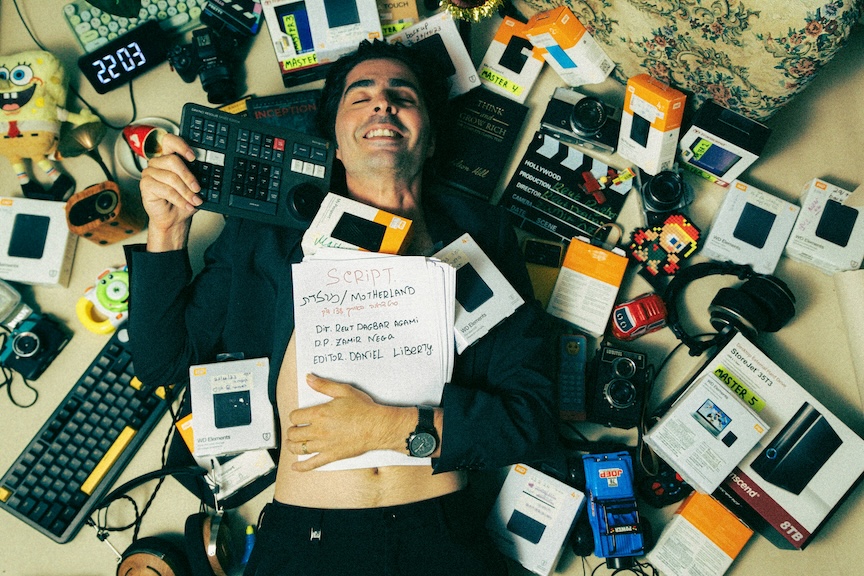
Photo by Daniel Liberty on Unsplash
References
Kroese, F. M., De Ridder, D. T. D., Evers, C., & Adriaanse, M. A. (2014). Bedtime procrastination: Introducing a new area of procrastination. Frontiers in Psychology, 5, 611.
Centers for Disease Control and Prevention (CDC). (2024). Sleep in middle and high school students.
World Health Organization. (2024). Mental health of adolescents.
National Sleep Foundation. (2024). Teens and sleep.
American Academy of Sleep Medicine. (2023). Teens and sleep: Why adequate sleep is important for adolescent health.
Nationwide Children’s Hospital. (n.d.). Sleep in adolescents.