
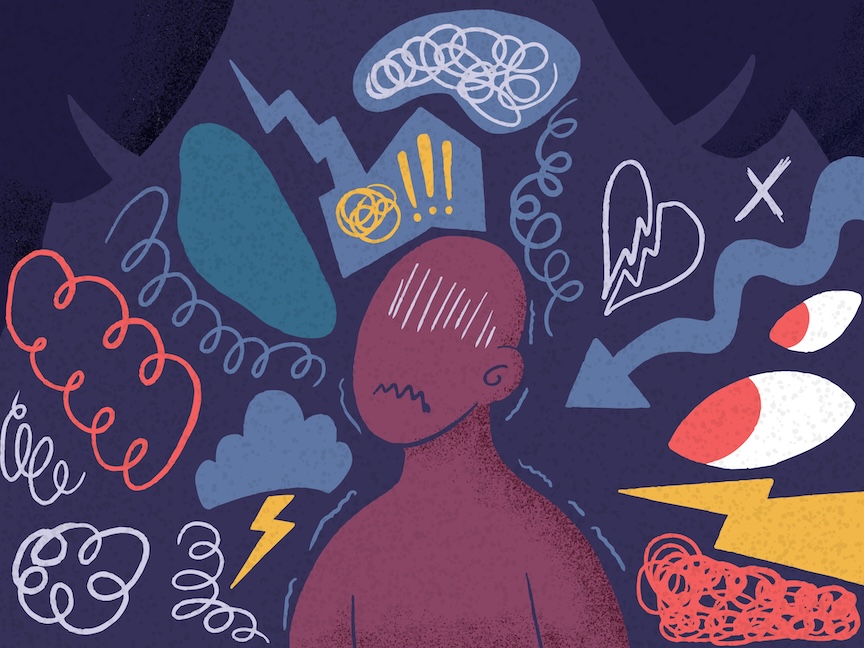
Globally, one in seven 10-19-year-olds experiences a mental disorder, accounting for 15% of the global burden of disease in this age group. Countries such as the United States, Sweden, and Australia have seen an increase in teenagers with anxiety. Locally, anxiety among Filipino teens has also risen, accounting for poor health among this age group. The increase in anxiety disorders among teenagers all over the world is not merely a statistic; it is a generational problem.
The Global Picture: A Generation in Crisis
Generation Z (Gen Z, born 1997-2012) is substantially more anxious than any of the past three generations. According to the latest wellbeing observatory, 35% of Gen Z young people report high levels of anxiety—more than 10 points higher than Millennials (23%), almost double Gen X (17%), and three times Boomers (11%). The CDC reports that in 2023, over 40% of U.S. high school students indicated persistent feelings of sadness or hopelessness.
The COVID-19 pandemic accelerated this crisis. A meta-analysis across eight countries showed 20.5% of children and adolescents experienced anxiety during COVID, this was double the pre-pandemic rates. These increased significantly post-quarantine, particularly among older adolescent girls and youth with minorized racial, gender, and sexuality identities.
The Philippine Reality: Where Financial Stress Dominates
The Philippines faces its own mental health challenges, with an estimated 7 million to 12.5 million Filipinos suffering from conditions like anxiety and depression. Cases increase around 2% annually, with the sharpest rise among Filipinos aged 15-19. But the drivers differ from international patterns.
Moreover, in 2022, UNICEF reported that children and adolescents aged 0–18 years in the Philippines experience poor mental health. Estimates from the 2019 Global Burden of Disease Study indicated around 13% of the total burden of disease among 10- to 19-year-olds was accounted for by mental disorders. Mental disorders were the leading casue of poor health for children aged 5 – 14 years. Congruently, conduct disorders and anxiety disorders accounted for 6% of the burden of disease in this age group.
What makes the Philippine experience unique is that financial uncertainty often weighs heavily on young people’s minds.
Many Filipino teens worry not only about grades and friendships but also about family finances, future employment opportunities, and the rising cost of living. For some, the pressure to succeed academically is closely tied to hopes of helping their families achieve greater financial stability.
STILL ONE OF OUR FAVORITE ARTICLES: Digital Stress Fuels Teen Anxiety as Social Media Soars
What’s Driving the Rise? Five Key Factors
1. Academic Pressures
Academic pressure remains a universal driver. Globally, it’s identified as a major contributing factor alongside exam stress from SATs, ACTs, and finals. In the Philippines, academic pressure compounds with financial constraints—students deal with stressors including peer pressure and cultural expectations.
2. Social Media’s Double Impact
Social media influence is a globally recognized factor, with the U.S. HHS releasing an advisory on its effects. The APA provides 10 recommendations for healthy practices. In the Philippine context, studies validate these findings but highlight local specifics. Labrague (2021) found Filipino students spending prolonged periods on social media experience increased stress and anxiety. Local studies highlight cyberbullying, academic distraction, and cultural influences on self-image as particular concerns. Information overload causes distress—trigger warnings and COVID-19 concerns make participants anxious.
3. Economic Uncertainty
The economic dimension reveals stark differences. While 53% globally feel anxious about future uncertainty, 70% of Filipino Gen Z and millennials share this anxiety. The 76% rate of financial instability-driven anxiety among Filipino youth dramatically exceeds the global 53%.
4. Societal Stressors
Global stressors include political affairs, pandemic concerns, changing family dynamics, and broader societal pressures. In the Philippines, social isolation affects 58% of youth, and climate change anxiety is significantly higher than global averages.
5. Vulnerable Populations
Older adolescent girls and youth with minorized identities are most vulnerable globally. In the Philippines, LGBTQ+ youth face disproportionate challenges: the 2024 National Survey found 62% of LGBTQ+ youths aged 15-24 reported symptoms of both depression and anxiety. Among those aged 15-18, 64% reported anxiety and 65% experienced depression.
Filipino youth face significantly higher economic and environmental anxiety than global averages, while international contexts emphasize social media and political stressors more prominently.
When Anxiety Becomes Dangerous
Feeling anxious is normal—like feeling angry or embarrassed. Most normal anxiety goes away quickly, maybe in hours or a day. But anxiety becomes concerning when:
- Anxious feelings are very intense
- They last weeks, months, or longer
- They interfere with learning, engaging in home/school/work, or enjoying daily life
Symptoms include worries, irritability, restlessness, difficulty concentrating, fatigue, sleep problems, muscle tension, headaches, and stomachaches.
The Sleep Connection
Mental health experts are also paying closer attention to a growing phenomenon known as “revenge bedtime procrastination.”
This refers to delaying sleep in order to reclaim personal time after a stressful or demanding day. Many teenagers stay awake scrolling through social media, watching videos, or chatting online despite knowing they need rest.
Unfortunately, insufficient sleep can worsen anxiety, affect concentration, and make emotional regulation more difficult.
In many cases, anxiety and poor sleep reinforce one another, creating a cycle that can be difficult to break.
What Can Be Done?
International Interventions: Research identifies clinical, educational, and community-based interventions for prevention and treatment.
Philippine-Specific Needs: Solutions must address financial instability as the primary anxiety source. Target student populations with the highest prevalence. Create LGBTQ+ youth support programs.
What Parents Can Do:
Parents cannot eliminate every source of stress in a teenager’s life. However, they can create an environment where young people feel supported.
Experts recommend:
- Acknowledge your teen’s fears and emotions; don’t ignore or dismiss them.
- Take their emotions seriously and be ready to listen without immediately trying to solve the problem
- Don’t meet them with too many questions; let them talk and sit in silence
- Build strong parent-teenager relationships—they’re protective
- Make time to talk daily without distractions
- Encourage healthy diet, physical activities, and good sleep
- Reach out to paediatricians, psychologists, counsellors when needed
The Path Forward
Teen anxiety is rising across the world due to interconnected factors, and the Philippines is not immune to the trend. Globally, even developed nations face an increase in teenage anxiety. In the Philippines, mental illness cases rise 2% annually, with the sharpest increase among 15-19-year-olds.
Academic pressure, social media, economic uncertainty, and broader societal concerns all play a role. Understanding these challenges is the first step toward addressing them. Clinical, educational, community, and family interventions must work together. Without timely intervention, the crisis could deepen among youth and working-age populations.
As another school year begins, the question is not whether today’s teenagers face pressure or if they’re okay.
The more important question is whether families, schools, and communities are prepared to help them navigate it.
The question isn’t whether the kids are okay; it’s whether we’re ready to help them become okay.
ghariza-mahavira-YABRCEdDwas-unsplash.jpg
References
UNICEF Philippines. The State of Children and Adolescent Mental Health in the Philippines.
World Health Organization. Mental Health of Adolescents.
Centers for Disease Control and Prevention (CDC). Youth Risk Behavior Survey.
American Psychological Association. Health Advisory on Social Media Use in Adolescence.
Labrague, L.J. (2021). Social media use and mental health among Filipino students.
Global Burden of Disease Study 2019.