

Editor’s Note:
Father’s Day invites simple stories. The devoted father. The wise father. The father who worked hard, sacrificed much, and was always there. For some people, those stories are true.
For others, fatherhood is more complicated.
Some remember fathers with gratitude. Others remember absence, disappointment, or loss. Many carry a mixture of all three.
Yet regardless of our individual experiences, one reality remains: the health of men matters—not only to men themselves, but to families, communities, workplaces, and the generations that follow.
This Father’s Day, Joyful Wellness is stepping away from greeting-card versions of fatherhood and looking instead at a quieter question: How are Filipino men really doing?
The answer is not always encouraging. Men continue to die younger than women. Many delay seeking medical care. Preventable diseases such as heart disease, stroke, diabetes, and certain cancers continue to claim lives too soon. At the same time, changing demographics and declining fertility rates are reshaping ideas about fatherhood, family, and what it means to grow older in the Philippines.
In this special series, we explore three important conversations. We look at prostate health and the importance of screening. We examine the country’s declining fertility rate and what it may reveal about modern relationships, family planning, and parenthood. And we explore the lifestyle habits that influence how long Filipino men live and how well.
These are not simply stories about fathers.
They are stories about health, responsibility, aging, relationships, and the choices people make over a lifetime.
Because whether a man becomes a father or not, whether he was a good father or a flawed one, whether he is deeply loved or remembered with difficulty, his health still matters.
Father’s Day offers an opportunity, not for idealization, but for a more honest conversation.
Prostate Cancer in the Philippines
In its early stages, it often causes no symptoms at all. Many men feel healthy, continue working, spending time with family, and going about their daily routines without realizing anything is wrong.
That is precisely why prostate cancer remains one of the most important health concerns facing Filipino men today.
As June marks Prostate Cancer Awareness Month, it is worth asking: How serious is the problem in the Philippines?
The answer, according to cancer statistics and public health experts, is that prostate cancer remains a significant and growing health challenge.
READ: Prostate Cancer Awareness Month: Early Detection and Treatment Options
The Numbers
Recent estimates show that prostate cancer is among the most common cancers affecting Filipino men.
According to international cancer databases and local health authorities:
- Nearly 10,000 new cases are diagnosed each year.
- Prostate cancer ranks among the leading cancers affecting Filipino men.
- Thousands of Filipino families lose fathers, husbands, brothers, and sons to the disease annually.
As life expectancy increases and the population ages, experts expect the number of cases to continue rising.
Who Is Most at Risk?
Age remains the strongest risk factor.
Most prostate cancer cases occur in men aged 65 and older, although risk begins increasing after age 50.
Family history also plays an important role. Men may face a higher risk if close relatives have been diagnosed with prostate cancer or certain cancers such as breast, ovarian, pancreatic, colorectal, or endometrial cancer.
Lifestyle factors may also contribute to overall risk and disease progression, including:
- Obesity
- Smoking
- Physical inactivity
- Poor dietary habits
While these factors do not directly cause every case of prostate cancer, maintaining good overall health may help reduce risk and improve outcomes.
DISCOVER: Prostate Health in the Filipino Context: Myths, Realities, and What Every Man Should Know
Why Is Prostate Cancer Still a Serious Problem?
Many Cases Are Diagnosed Late
One of the biggest challenges is that prostate cancer often develops silently.
Because symptoms may not appear until later stages, some men seek medical attention only after the disease has progressed.
As with many cancers, earlier detection generally offers more treatment options and better outcomes.
Screening Remains Limited
Unlike some countries with organized screening initiatives, the Philippines does not currently have a nationwide prostate cancer screening program.
As a result, many men undergo testing only after symptoms develop or when advised by their physician.
Financial limitations, lack of awareness, and unequal access to healthcare can further reduce opportunities for early detection.
Cultural Barriers Persist
Studies have identified several reasons why men delay prostate screening:
- Lack of awareness
- Fear of receiving a cancer diagnosis
- Embarrassment about certain examinations
- Financial concerns
- The belief that feeling healthy means there is no reason to visit a doctor
These barriers may prevent men from seeking care until problems become more serious.
What Can Men Do?
The encouraging news is that prostate cancer can often be detected and treated successfully, particularly when identified early.
Health experts generally recommend that men discuss prostate health with their physician beginning around age 50.
Those with a strong family history may benefit from earlier conversations.
Other healthy habits include:
- Maintaining a healthy weight
- Exercising regularly
- Avoiding smoking
- Limiting excessive alcohol consumption
- Learning their family’s medical history
- Keeping up with routine health checkups
A Father’s Day Reminder
Conversations about men’s health are often postponed.
There is always another work deadline, another family responsibility, another reason to wait.
Yet one of the most important lessons of Prostate Cancer Awareness Month is that prevention and early detection cannot happen later. They can only happen now.
For many Filipino men, the most important health decision may simply be scheduling the checkup they have been putting off.
Because when it comes to prostate cancer, what you don’t know can hurt you and what you discover early may save your life.
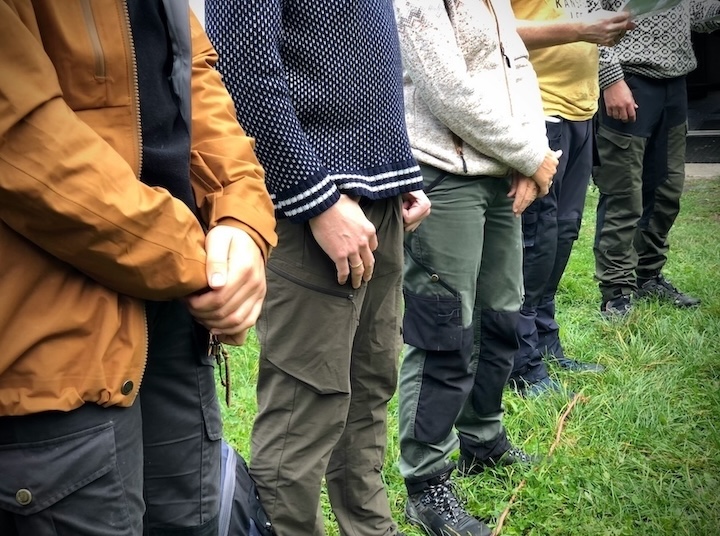
Photo by Louise Vildmark on Unsplash
References
American Cancer Society. (2024). Key statistics for prostate cancer. Retrieved from https://www.cancer.org/cancer/types/prostate-cancer/about/key-statistics.html
Department of Health (DOH). (n.d.). Philippine Cancer Control Program. Republic of the Philippines. Retrieved from https://doh.gov.ph
Globocan 2022. International Agency for Research on Cancer (IARC). Philippines: Prostate Cancer Fact Sheet. World Health Organization. Retrieved from https://gco.iarc.fr
Healthy Philippines Alliance. (n.d.). Cancer burden in the Philippines. Retrieved from https://healthyphilippines.ph
National Cancer Institute. (2024). Prostate Cancer Prevention, Screening, and Treatment. Retrieved from https://www.cancer.gov/types/prostate
Philippine Society of Medical Oncology (PSMO). (n.d.). Cancer statistics and awareness resources. Retrieved from https://psmo.org.ph
Philippine Urological Association. (n.d.). Prostate health and prostate cancer awareness. Retrieved from https://www.pua.org.ph
World Health Organization. (2024). Cancer Fact Sheets. Retrieved from https://www.who.int/news-room/fact-sheets/detail/cancer
Additional Source for Screening Barriers
Conde, F. A., et al. (2023). Barriers to prostate cancer screening among men: Knowledge, attitudes, and healthcare access factors. Journal of Public Health and Preventive Medicine.
DISCLAIMER
This article provides general information and does not constitute medical advice. Consult your healthcare provider for personalized recommendations. If symptoms persist, consult your doctor.