The gut has become one of the most talked-about frontiers in nutrition, and for good reason. What happens in the digestive tract reaches far beyond digestion. The gut communicates continuously with the brain, interacts with the immune system, and houses trillions of microorganisms that are influenced by what we eat.
This is why scientists increasingly study the gut-brain axis, the two-way communication network connecting the digestive system and the brain. The enteric nervous system, a vast network of neurons embedded in the gastrointestinal tract, helps control digestion independently of conscious thought. It is sometimes called the “second brain,” although it is not a second thinking brain. Its job is to manage the complicated business of moving food, absorbing nutrients and responding to what is happening inside the gut.
The connection with the brain is remarkably sophisticated. The vagus nerve is one of its major communication routes, carrying information between the digestive tract and the brain in both directions. Most of its fibers are sensory, transmitting information from organs to the brain, although the gut-brain conversation also involves hormones, immune signals and chemicals produced by gut microbes.
That makes the food we eat particularly interesting. Rather than trying to “fix” the microbiome with a single supplement or fashionable diet, a more practical approach is to regularly eat a diverse range of plant foods and, when appropriate, include fermented foods in the diet.
READ: The Ultimate Guide to Gut Health: Nutrition for a Happy Belly
Why Fermented Foods Matter for Gut Health
Fermentation is one of humanity’s oldest food-preservation techniques. It happens when microorganisms transform components of food, producing compounds such as lactic acid and other metabolites that change the food’s flavor, texture, shelf life and nutritional characteristics.
Yogurt, kefir, kimchi, sauerkraut, miso, tempeh and some traditionally fermented vegetables are familiar examples.
The important distinction is that fermented does not automatically mean probiotic.
A probiotic is a specific live microorganism that has been shown, in adequate amounts, to provide a health benefit. A fermented food may contain live microorganisms without meeting that scientific definition. Some fermented foods are also pasteurized or otherwise processed after fermentation, which means the microorganisms are no longer alive when the food reaches your plate.
That doesn’t make the food worthless. Fermentation itself can alter nutrients and produce biologically active compounds. The health effects of fermented foods may come from a combination of the original food, the products of fermentation and, in some cases, living microorganisms.
What Research Says About Fermented Foods and the Microbiome
One of the most interesting human studies on fermented foods came from Stanford researchers. In a randomized study of 36 healthy adults, participants followed either a high-fermented-food diet or a high-fiber diet for 10 weeks. Those eating more fermented foods showed increased gut microbial diversity and reductions in several markers of inflammation.
That is encouraging, but it is not a prescription to eat fermented food at every meal, nor does it prove that fermented foods prevent disease. The study was relatively small and conducted in healthy adults. Research into specific fermented foods and their effects on conditions such as digestive disorders is still developing.
What we can reasonably take from the evidence is simpler: fermented foods can be a useful part of a varied, plant-rich diet, but they are not magic ingredients.
And they don’t need to be.
How to Add Fermented Foods to Your Daily Meals
The easiest way to add fermented foods to your diet is not to buy an expensive probiotic product. It is to look at the foods you already eat and find natural places to introduce them.
Yogurt and Kefir for Breakfast
Plain yogurt containing live cultures is an accessible way to include a fermented food at breakfast or as a snack. Kefir, a fermented milk drink, contains a mixture of microorganisms and is another option for people who enjoy its tangy flavor.
Try plain yogurt with banana, oats, nuts and seeds, or add kefir to a fruit smoothie. Choosing unsweetened varieties helps prevent a healthy-looking snack from becoming a significant source of added sugar.
If you are lactose intolerant, some fermented dairy products may be easier to tolerate than milk, although individual responses vary.
Kimchi and Sauerkraut at Lunch or Dinner
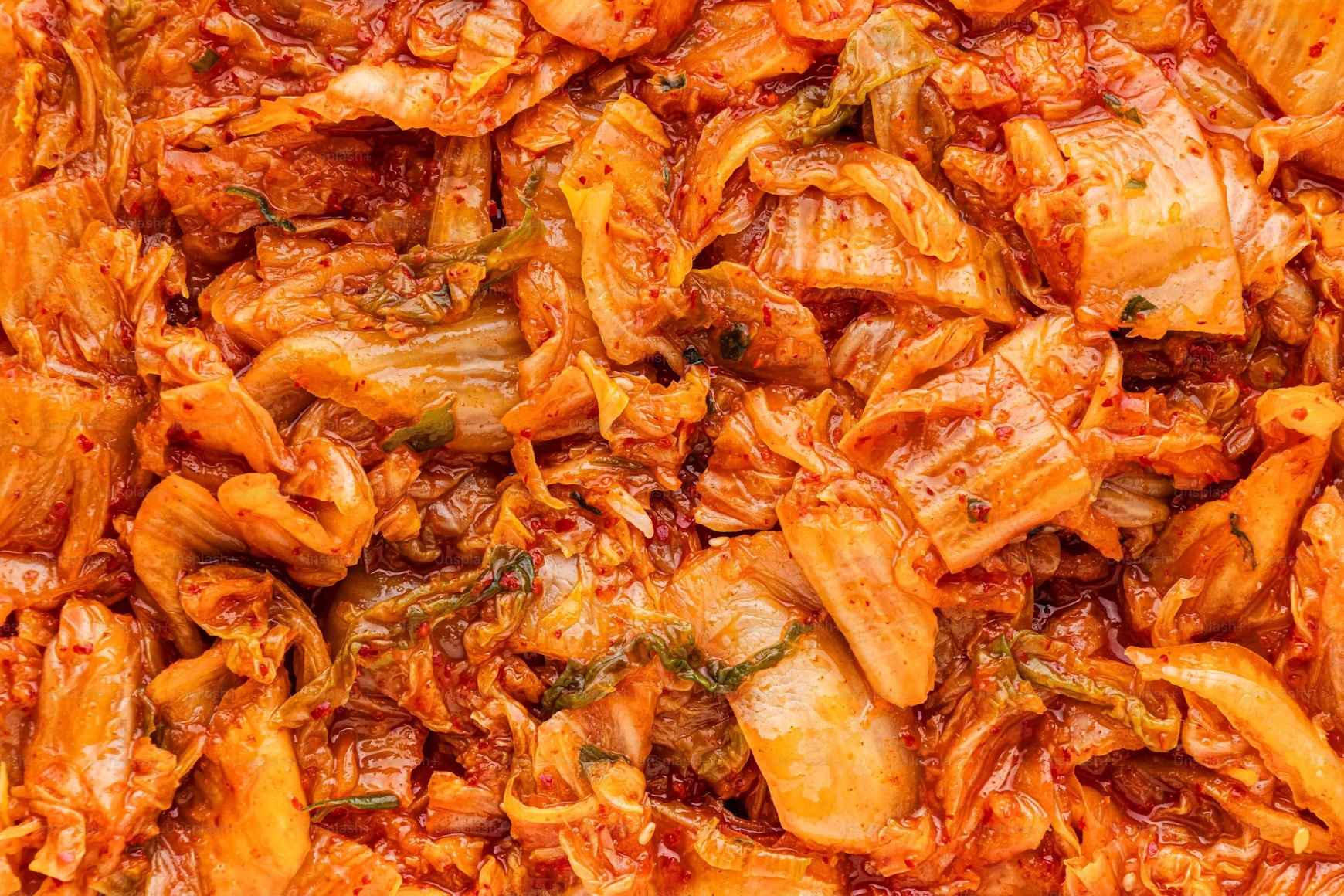
Fermented vegetables can add acidity and flavor to otherwise ordinary meals. A small serving of kimchi can brighten a rice bowl, grilled fish or egg dish; sauerkraut works well alongside sandwiches, roasted vegetables or legumes.
Look for products that are refrigerated and labeled as containing live or active cultures if you specifically want a source of living microorganisms. Remember, however, that live cultures are not guaranteed to survive every processing method or storage condition.
Because kimchi and other fermented vegetables can contain substantial amounts of sodium, portion size matters, particularly for people who have been advised to limit salt.
Miso and Tempeh for Plant-Based Meals
Fermented soy foods offer another way to diversify the diet.
Miso can add depth to soups, dressings and marinades, while tempeh provides plant protein and can be used in stir-fries, sandwiches or grain bowls.
These foods demonstrate an important point about gut health: the benefit does not come from fermentation alone. The underlying food matters too. A varied diet provides fiber and other nutrients that help support a diverse gut ecosystem.
Is Atsara a Fermented Food?
Atsara deserves a place in the conversation because it is such a familiar Filipino accompaniment. But there is an important distinction.
Traditional atsara is generally made from shredded green papaya with vinegar, salt, sugar and other ingredients. It is commonly pickled rather than fermented, and recipes vary considerably.
That means we shouldn’t automatically describe every jar of atsara as a probiotic or source of live cultures.
It can still be a delicious way to add vegetables, flavor and texture to a meal. If you’re specifically looking for the potential benefits associated with live fermented foods, choose a product that clearly indicates that it was fermented and contains live cultures—or consider traditionally fermented vegetables whose preparation is known to involve microbial fermentation.
How to Support Your Gut Microbiome Every Day
The most useful change you can make for gut health may not be adding one particular food. It may be increasing the variety of plant foods you eat.
Vegetables, fruits, whole grains, beans, lentils, nuts and seeds provide different types of dietary fiber and plant compounds that gut microorganisms can use. Fermented foods can complement this foundation, but they cannot compensate for a diet that is otherwise low in plant foods.
Think of the microbiome like an ecosystem. Ecosystems respond to what they are consistently given.
That makes everyday meals more important than harsh detoxes or short-term gut cleanses.
A Simple Seven-Day Start for Better Gut Health
If fermented foods are new to you, start gradually rather than attempting a complete dietary overhaul.
For the first few days, add a small serving of one food you enjoy—perhaps plain yogurt with breakfast or a spoonful of fermented vegetables with lunch. If you tolerate it well, introduce another fermented food later in the week.
At the same time, look at the rest of your plate. Can you add beans to a meal? Replace some refined grains with whole grains? Add another vegetable? Have fruit instead of a highly processed snack?
This approach has an advantage that no “gut reset” can promise: it is sustainable.
If a particular fermented food causes bloating, abdominal discomfort or other symptoms, stop eating it and see whether the symptoms settle. People with specific gastrointestinal conditions, food allergies or significant dietary restrictions may need individualized advice from a physician or registered dietitian.
DISCOVER: How to Improve Gut Health
The Gut-Brain Connection: What We Know So Far
The science of the microbiome is still young, and that is precisely what makes it exciting. Researchers are discovering increasingly complex relationships among diet, gut microorganisms, the immune system, metabolism and the brain. But many popular claims about “healing the gut,” eliminating inflammation or directly changing mood through a particular food have moved faster than the evidence.
We don’t need to make exaggerated promises.
A more useful message is also a simpler one: eat a varied diet rich in plants, include fermented foods if you enjoy and tolerate them, choose products thoughtfully, and give your body time to respond.
Remember, your gut is an ecosystem that you live with every day.
And perhaps the best way to care for it is through quiet accumulation of better meals, one bowl of yogurt, spoonful of kimchi, cup of miso soup, serving of vegetables and handful of beans at a time.
Photo by Maryam Sicard for Unsplash+
Editorial Note
Joyful Wellness provides general, science-informed health information to help readers make informed decisions about their well-being. Our content is intended for educational purposes and does not replace professional medical advice. For personal health concerns or symptoms, readers are encouraged to consult a licensed healthcare professional.
References
Stanford Medicine — the 10-week fermented-food dietary intervention
National Institutes of Health / PubMed — gut-brain axis and microbiome research
Harvard T.H. Chan School of Public Health — dietary fiber and gut health
World Health Organization — healthy diet guidance
Philippine Department of Science and Technology – Food and Nutrition Research Institute (DOST-FNRI) — Philippine nutrition information