
Who doesn’t love the rain? Sweater weather, cuddle weather, the kind that calls for warm drinks, cozy clothes, and staying indoors. Yet the comfort of romanticizing rainy days is a privilege we often overlook.
In the Philippines, where typhoons, monsoon rains, and floods can arrive one after another, another downpour may bring more dread than comfort. For families repeatedly affected by disasters, the fear does not always end when the rain stops.
At the first sign of rain, worries may already begin to surface: What could they lose this time? Where would they go if they had to evacuate? And if their homes were damaged again, could they afford to rebuild?
The toll of repeated flooding extends beyond damaged homes and lost belongings. It can also leave families emotionally drained, carrying the fear of another disaster long after the waters have receded.
EXPLORE: Healthy Through the Rain: Small Habits That Make a Big Difference
When Recovery Becomes Routine
A single flood is difficult enough; recurring floods are another story.
The World Bank reported that the Philippines experienced 2.6 million disaster-related displacements in 2023, of which 2.1 million were attributed to typhoons and floods. More recently, preliminary estimates from the Internal Displacement Monitoring Centre (IDMC) recorded 1.7 million disaster-driven displacements in the Philippines from April through October 2026, largely triggered by tropical cyclones, storms, and intense monsoon rains.
But displacement disrupts more than shelter. It can interrupt schooling, work, sleep, privacy, and the everyday routines that help families feel safe. Parents may find themselves comforting their children while coping with losses of their own.
When disasters arrive one after another, recovery can become a cycle rather than a single event. Families may have little time to regain their footing before the next crisis. Repeated exposure to stressful events can contribute to cumulative stress, leaving people feeling that they must keep coping even when they have not fully recovered. Over time, this strain may contribute to sleep problems, fatigue, irritability, difficulty concentrating, anxiety, and depression.
A December 2023 Social Weather Stations (SWS) survey found that 81% of Filipinos considered climate change a danger to their mental health, while 93% reported experiencing at least one emotion in response to its impacts. More recently, a 2026 study of 240 adults in flood-prone Barangay Nangka, Marikina, found that flood anxiety was associated with symptoms of depression, anxiety, and stress, underscoring the emotional toll that repeated flooding can take on communities.
Sadness was the most commonly reported emotion, followed by anxiety and fear. These findings reflect people’s perceptions and reported feelings, rather than clinical diagnoses, but they highlight how deeply environmental concerns can affect emotional well-being.
READ: AI Boosts PH Early Warnings as Late Storms Fuel Outbreaks
Children Feel the Fear, Too
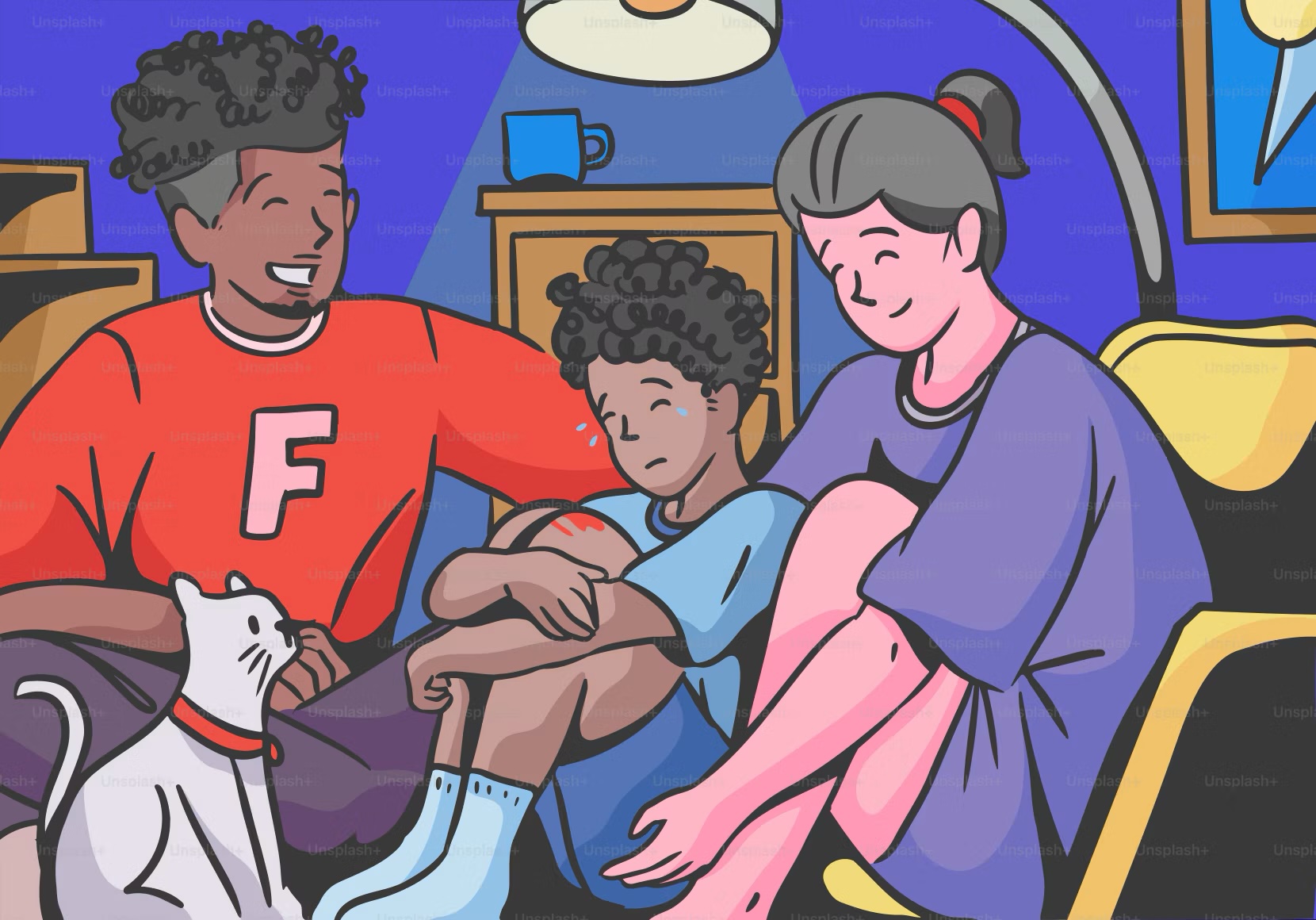
Children may not fully understand climate change, but they recognize fear in the voices of adults, the loss of familiar routines, and the sight of floodwater entering their homes.
Research on children exposed to disasters, including typhoons in the Philippines, has linked these experiences to mental health difficulties such as acute stress, depressive symptoms, and post-traumatic stress symptoms. The effects can depend on the severity of the experience, the support available, and the child’s individual circumstances.
Still, not every child who experiences flooding will develop lasting trauma. Caring adults can help children feel safer by listening to their concerns, offering reassurance, and restoring familiar routines when possible. Their emotional needs deserve attention alongside food, clean water, shelter, and physical safety.
DISCOVER: NDRRMC Alerts and Anxiety: Why the Alarm Feels So Intense
Care Beyond Survival
There is no way to make typhoon season emotionally painless, but there are ways to make fear less isolating and uncertainty more manageable.
Preparing together—from packing emergency supplies to choosing familiar comfort items for children—can help families feel more ready for a disaster. Naming feelings and maintaining familiar routines, when circumstances allow, can also help children feel more secure amid disruption. Staying informed is important, but taking breaks from distressing updates can help prevent constant exposure to alarming news from adding to the strain.
When sadness, anxiety, sleeplessness, or hopelessness persists and interferes with daily life, seeking support from a health worker, counselor, or mental health professional may help.
The Department of Education has provided mental health and psychosocial support to learners and personnel affected by emergencies and disasters. The Philippine Mental Health Act, or Republic Act No. 11036, also recognizes the importance of psychosocial support during and after calamities, including through the responsibilities assigned to the Department of Social Welfare and Development and local government units.
These efforts reflect an important truth: disaster response must address emotional well-being alongside immediate needs such as food, shelter, and safety.
The Philippines remains vulnerable to typhoons, floods, and other climate hazards. Yet families and communities also draw strength from mutual aid, faith, adaptability, and care for one another.
Wellness, in this context, does not mean the absence of anxiety. It means being able to acknowledge fear while finding ways to connect, prepare, rest, and hope.
The rain will come again, but so can support, preparedness, and healing—one conversation, one family, and one community at a time.
*Photo by Rezza Alam for Unsplash+
References
World Bank. (2025). WB supports efforts to strengthen community resilience for 1.8 million households in the Philippines. https://www.worldbank.org/en/news/press-release/2025/07/31/wb-supports-efforts-to-strengthen-community-resilience-for-18-million-households-in-the-ph
Social Weather Stations (SWS). (2024). 87% of Filipino adults have personally experienced the impacts of climate change in the past three years. https://sws.org.ph/social-weather-report-87-of-filipino-adults-have-personally-experienced-the-impacts-of-climate-change-in-the-past-three-years/
Castro, et al. (2026). Study on flood anxiety, mental-health symptoms, and post-traumatic growth among adults in flood-prone Marikina. International Journal of Mental Health. https://doi.org/10.1080/00207411.2026.2705604
Republic of the Philippines. (2018). Republic Act No. 11036: Mental Health Act. https://lawphil.net/statutes/repacts/ra2018/ra_11036_2018.html