Every swipe through our social media feed feels like entering a digital marketplace where influencers push products and habits disguised as self-care. Today, this trend heavily targets younger generations, sparking a massive fitness craze across Gen Z. From calisthenics and running to Pilates, health is in. Yet, every scroll delivers a barrage of viral “hacks”: five exercises for bigger biceps, ten foods for protein, toxic positivity as a cure for sadness, and miracle teas promising a complete body cleanse.
For young Filipinos in their early twenties, this endless stream of advice is overwhelming. It is increasingly difficult to separate genuine guidance from hustle culture wrapped in wellness marketing. With performative health dominating the online world, it is time to pause and ask: how do we reclaim our well-being from the algorithm and rediscover practices that truly nourish us?
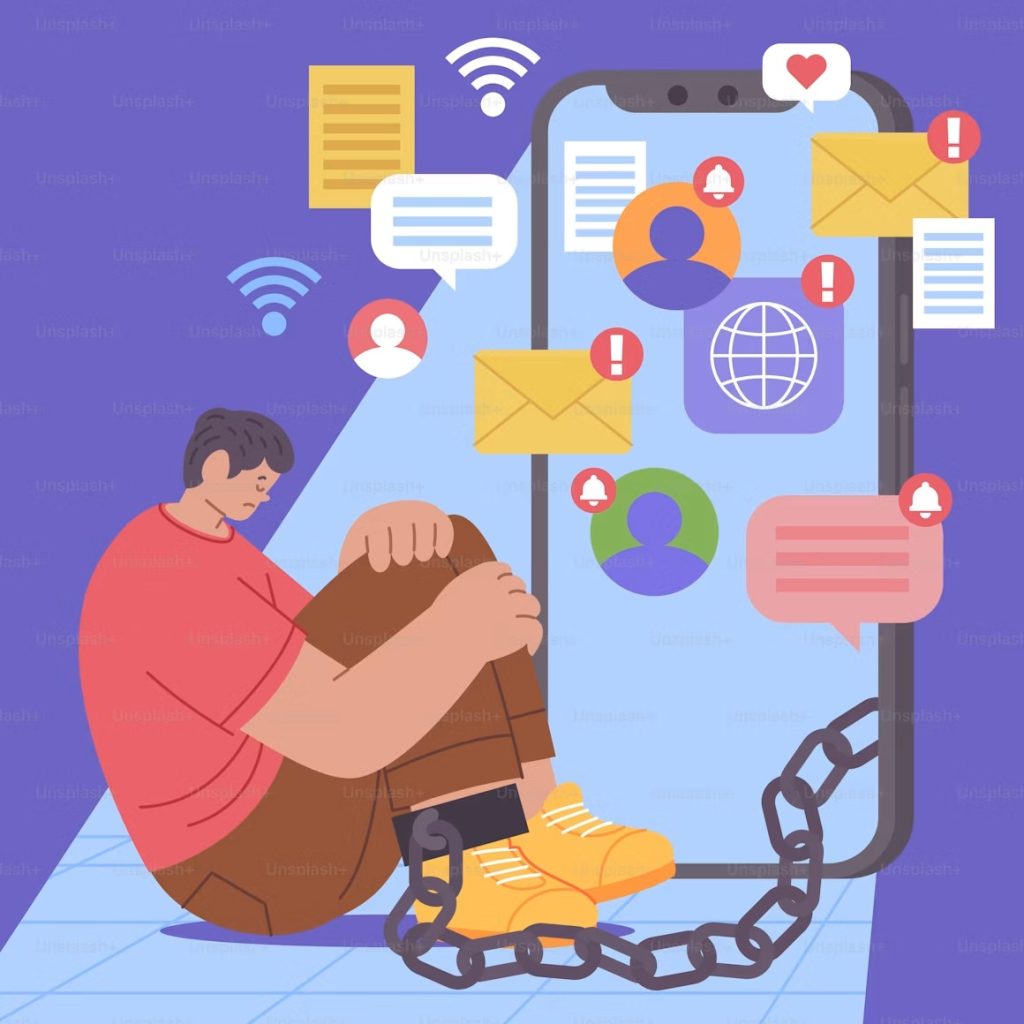
Algorithms are designed to capture our attention—not to protect our health. Real wellness begins when we choose evidence over hype and habits over hacks.
The Algorithm’s Grip on Wellness
Our For You Pages (FYPs) act as hyperactive, often misleading health coaches. Because social media platforms thrive on engagement, they favor quick fixes and flashy promises. Supplements, gadgets, and extreme routines are marketed as shortcuts to health. Consequently, looking fit in curated posts often matters more than actual well-being.
For the youth, this noise collides with deep-seated cultural pressures: colonial beauty standards equating thinness with worth, hustle culture glorifying constant exhaustion, and a digital overload that leaves no room for quiet reflection. Algorithms reward extremes—the 5 a.m. grind, the “no excuses” mindset, and the illusion of constant happiness.
Real wellness, however, is not algorithmic. It is messy, personal, and often quiet. It lives in small, consistent acts that never trend: drinking water, resting when tired, saying no when overwhelmed, and choosing exercises and meals that actually fit our personal lives.
READ: Why Teen Anxiety Continues to Rise—And What Parents Can Do About It
Commercialized Self-Care
The commercialization of social media has turned self-care into a mere commodity. From collagen drinks to mindfulness apps, the industry sells the illusion of control. Authentic advice grows scarce as engagement-driven content takes over. Ironically, the more we buy into it, the less control we actually retain.
Performative health has become a social currency. We post gym selfies, mirror shots in athleisure, smoothie bowls, and meditation setups not to share, but to prove. This pressure to appear “balanced” online frequently leads to offline burnout. Culturally, many young Filipinos grow up in households equating productivity with worth, making rest feel like a taboo or a slow failure. True wellness, however, should be accessible, evidence-based, and rooted in honesty, never a luxury reserved for the feed.
The Anti-Algorithm Diet: One That Fits You
The anti-algorithm diet is not a literal meal plan; it is a profound mindset reframing. It means tuning out a digital environment choked with misinformation. Start by auditing your feed. Ask yourself: does this content educate or manipulate? Replace unverified influencers with credible sources: local health experts, registered dietitians, and researchers who anchor their work in science, not virality.
Fitness is not one-size-fits-all. An influencer’s two-hour gym session or costly health hack rarely fits a student’s budget or a working professional’s reality. Instead of chasing instant gratification, ground your lifestyle in simple, sustainable habits: sleeping enough, staying hydrated, eating balanced meals, and moving regularly in ways that bring you joy.
Finding Our Own Health Vibe
The anti-algorithm diet is ultimately an act of liberation. It frees us from hype, comparison, and the performative pressure to look a certain way. For young Filipinos navigating the digital age, the invitation is clear: reclaim wellness from the algorithm and rediscover grounded, joyful habits offline. True health is not measured by online metrics, but by how authentically we care for ourselves. In a world obsessed with optimization, the most radical act is to slow down, breathe, eat real food, and rest without guilt.
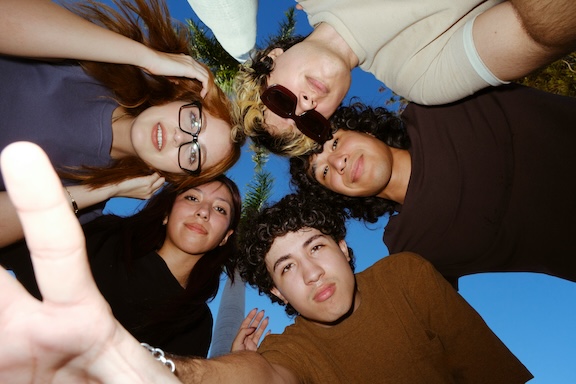
Photo by adolfo-felix-8cy6Gt0yYEA-unsplash.jpg
References
- World Health Organization (WHO) – Infodemic management and health misinformation
- American Medical Association (AMA) – Social media and health information
- U.S. Centers for Disease Control and Prevention (CDC) – Health communication
- National Institutes of Health (NIH) – Health literacy
- UNESCO – Media and Information Literacy