Are Schools Legally Obligated to Protect Students, or Only to Educate Them?
Every school morning begins with a small act of trust.
A parent watches a child disappear through a school gate. A teacher takes attendance. A principal begins another day. It happens so routinely that we rarely stop to think about it.
Yet hidden inside that daily ritual is an important question:
When a child enters a school, what responsibility does the school assume?
Is its role simply to teach? Or does the law expect something more?
As students return to school this June, and as conversations about student safety continue to occupy public attention, many parents are asking exactly that.
The short answer appears to be this:
Schools are not responsible only for education. They also have legal duties related to the care, supervision, and protection of students entrusted to them.
The details, however, are more nuanced.
The Principle of In Loco Parentis
One of the most frequently cited legal concepts in education is the doctrine of in loco parentis, a Latin phrase meaning “in the place of a parent.”
In simple terms, the law recognizes that when children are under the supervision of a school, teachers and school authorities temporarily assume certain responsibilities that parents would ordinarily exercise.
This does not mean schools become parents.
It does mean that they are expected to exercise reasonable care, supervision, and discipline over students while they are under the school’s authority.
The concept has long been recognized in Philippine law and educational practice. It reflects a simple reality: children require guidance and protection, and schools play a significant role in providing both.
More Than a Classroom Contract
Many people think of enrollment as a financial transaction.
A family pays tuition. A school provides education.
But the relationship is often understood more broadly.
When a school accepts a student, it undertakes responsibilities that extend beyond delivering lessons and assigning grades.
Schools are expected to provide an environment reasonably conducive to learning. Safety, order, and student welfare are part of that environment.
The law generally looks at the specific facts and circumstances of each situation. This does not mean schools are automatically liable whenever something unfortunate happens.
But it does suggest that schools are expected to exercise diligence in protecting students under their care.
READ: Back to School, Back to Well-Being
What Philippine Laws Say
Several laws reinforce the importance of student protection.
The Anti-Bullying Act of 2013 (RA 10627)
The Anti-Bullying Act requires schools to adopt policies and mechanisms for addressing bullying.
Schools are expected to prevent, investigate, and respond to incidents of bullying, whether physical, verbal, social, or increasingly, digital.
The law reflects a growing understanding that student well-being is inseparable from student learning.
A child who does not feel safe may find it difficult to learn.
The Special Protection of Children Against Abuse, Exploitation and Discrimination Act (RA 7610)
RA 7610 recognizes the State’s obligation to protect children from abuse, exploitation, and conditions harmful to their development.
While the law applies broadly beyond schools, educational institutions are among the places where this protective responsibility becomes especially important.
Schools are expected to educate children and to contribute to an environment where their rights and welfare are respected.
Child Protection Policies
The Department of Education has also issued child protection policies that establish procedures for safeguarding learners from abuse, violence, exploitation, discrimination, bullying, and other threats to their well-being.
Together, these policies signal an important principle: student welfare is part of education.
So, Are Schools Responsible for Student Safety?
The most accurate answer may be:
Yes—but not absolutely.
Schools are generally expected to exercise reasonable care and supervision over students. They have legal and institutional duties to promote safety and respond appropriately to risks.
At the same time, the law does not necessarily make schools automatically responsible for every injury, accident, conflict, or harmful act that occurs.
Questions of responsibility often depend on facts, circumstances, foreseeability, supervision, and whether reasonable measures were taken.
That is why courts evaluate such matters carefully on a case-by-case basis.
A Question Worth Discussing
Most people would agree that schools have a duty to protect students.
The deeper question is how schools, families, communities, and government can work together to create environments where children feel safe enough to learn, grow, and thrive.
Education is definitely more than a simple transfer of knowledge.
It is the cultivation of human potential.
And potential grows best where there is trust.
Every morning, parents entrust schools with what is most precious to them.
The law appears to recognize that this trust carries responsibilities.
How those responsibilities should be understood and how they should be fulfilled remains an important conversation, one that deserves thoughtful discussion from educators, lawyers, school leaders, parents, and students alike.
What do you think? Should schools be held legally responsible for student safety while children are under their care? We invite educators, lawyers, school administrators, parents, and students to join the conversation respectfully in the comments.
Disclaimer: This article is intended for general information and public discussion only. It does not constitute legal advice. Laws and legal responsibilities may vary depending on the specific facts and circumstances of each case. Readers seeking legal guidance should consult a qualified attorney.
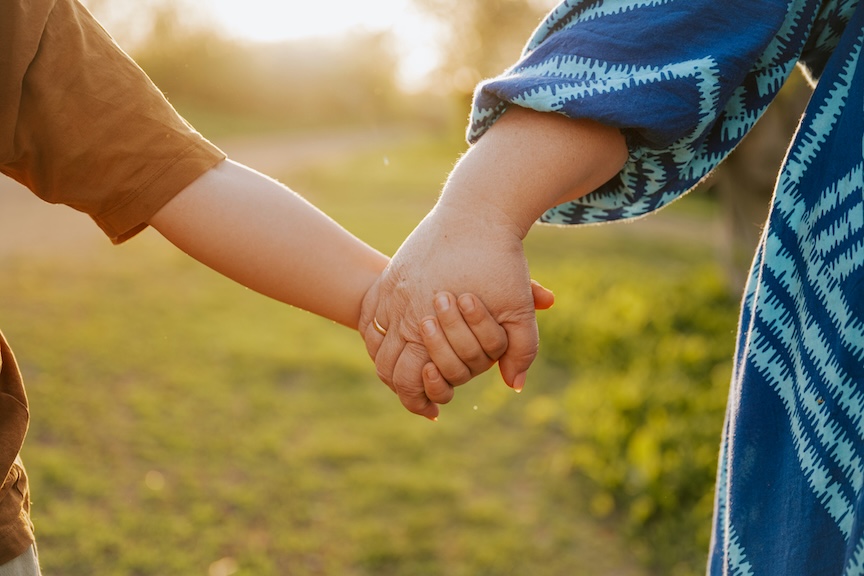
kateryna-hliznitsova-Yob0RLQUqeo-unsplash.jpg
References
Primary Legal Sources
Republic Act No. 10627. Anti-Bullying Act of 2013. Republic of the Philippines.
Republic Act No. 7610. Special Protection of Children Against Abuse, Exploitation and Discrimination Act. Republic of the Philippines.
Department of Education. DepEd Child Protection Policy (DepEd Order No. 40, s. 2012). Republic of the Philippines.
Department of Education. Revised Implementing Rules and Regulations of the Anti-Bullying Act of 2013. Republic of the Philippines.
Legal and Educational References
The Civil Code of the Philippines.
The Family Code of the Philippines.
Department of Education. Basic Education Policies on Learner Welfare and Child Protection. Republic of the Philippines.
Background Reading
UNICEF Philippines. Child Protection and Safe Learning Environments. Retrieved from https://www.unicef.org/philippines
Commission on Human Rights of the Philippines. Children’s Rights and Protection in Educational Settings. Retrieved from https://chr.gov.ph