What the New Three-Term School Calendar Says About Learning, Wellness, and a Healthier School Year
For many Filipino families, June brings familiar rituals.
New notebooks.
Freshly covered textbooks.
New shoes that still squeak against the floor.
Parents checking schedules.
Teachers preparing lesson plans.
Students wondering what the school year will bring.
This year, however, there is something new.
Beginning School Year 2026–2027, the Department of Education (DepEd) is implementing a three-term school calendar in public schools under DepEd Order No. 009, s. 2026. The change reorganizes the academic year into three terms instead of the traditional four-quarter system.
The goal goes beyond administrative.
According to DepEd, the new structure seeks to protect instructional time, support learning recovery, and reduce teacher workload by streamlining assessment periods and creating more focused academic schedules.
But tucked within the policy is something that deserves special attention from a wellness perspective.
For perhaps the first time, structured wellness breaks have been intentionally built into the school calendar.
In a time when burnout and stress are increasingly common, the inclusion of wellness breaks is a welcome change for students, parents, and teachers alike.
A Small Change with a Big Message
Under the new system, each academic term concludes with designated wellness breaks.
Students receive a four-day Learner Wellness Break designed for guided reflection and restorative activities outside the usual classroom routine.
Teachers, meanwhile, receive a two-day Teacher Wellness Break after completing grading and administrative requirements.
On paper, the breaks may seem modest.
Yet their inclusion reflects a growing understanding that productivity and well-being are not opposing goals.
In fact, they often depend on one another.
Research consistently shows that adequate rest supports learning, attention, emotional regulation, memory consolidation, and resilience. Educators benefit as well. Reduced burnout and improved well-being are associated with better teaching performance, higher job satisfaction, and healthier classroom environments.
In short, wellness is no longer being treated as an extra. It is increasingly being recognized as part of the educational process itself.
Why Back-to-School Wellness Matters
The beginning of the school year often focuses on supplies, schedules, and academic goals.
Those things matter.
But health habits established during the first few weeks can influence an entire school year.
The good news is that many of the most effective wellness strategies are simple, affordable, and realistic.
For Parents: Focus on Routines, Not Perfection
Back-to-school season can feel overwhelming for families.
Instead of striving for a perfect schedule, focus on consistent routines.
A few habits can make a meaningful difference:
- Re-establish regular sleep schedules one to two weeks before classes begin.
- Prepare healthy snacks and water bottles in advance.
- Encourage open conversations about school-related worries or anxieties.
- Avoid overscheduling children with excessive extracurricular commitments during the first weeks of school.
- Model healthy digital habits at home.
READ: Gadget Addiction in the Digital Age: Are We Hooked?
Children rarely need perfect parents.
They benefit more from predictable routines and supportive relationships.
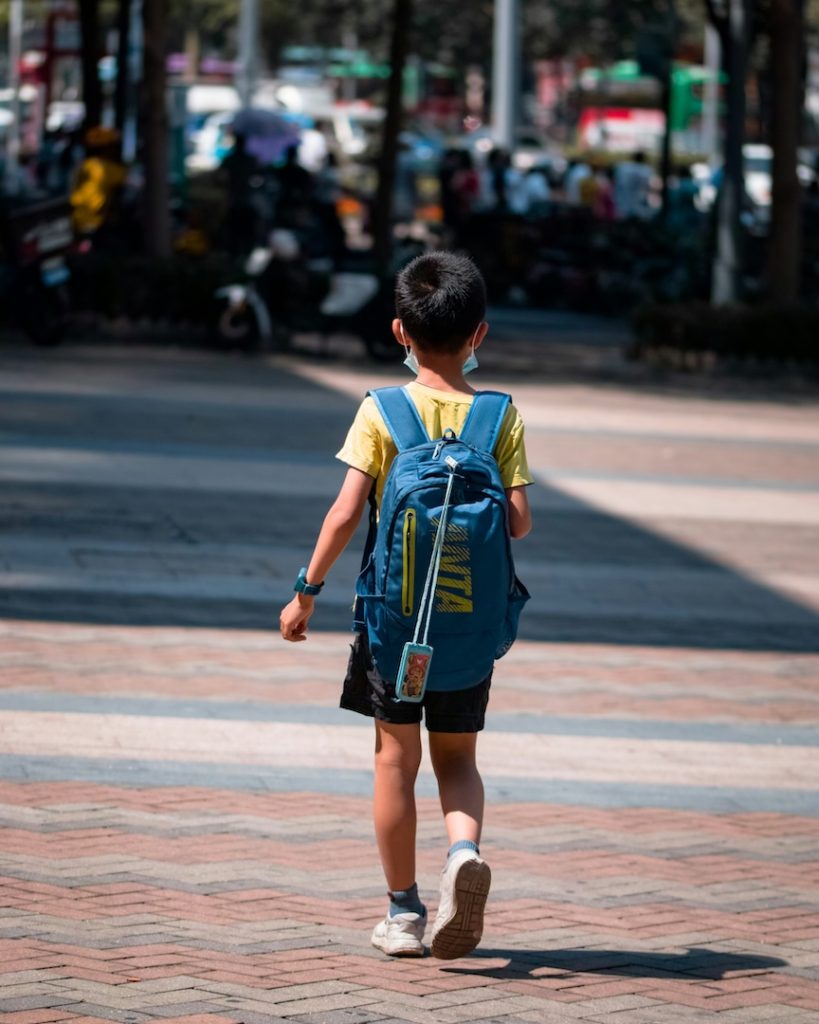
Photo by Joshua Fernandez on Unsplash
For Students: Protect Your Energy
Students often think success means doing more.
In reality, success often comes from managing energy wisely.
Simple habits can help:
- Eat breakfast whenever possible.
- Stay hydrated throughout the day.
- Move your body daily, even if only for a short walk.
- Limit screen time before bed.
- Take short study breaks to improve concentration.
Remember: learning is not a sprint. It is a year-long journey.
For Teachers: Self-Care Is Professional Care
Teachers are among the most influential figures in a child’s life.
Yet they are also among the most vulnerable to burnout.
The new Teacher Wellness Breaks send an important message: caring for oneself is not selfish. It supports better teaching and healthier learning environments.
Teachers may benefit from:
- Establishing boundaries between work and home when possible.
- Taking short movement breaks during the day.
- Staying connected with colleagues for social support.
- Prioritizing sleep during busy grading periods.
- Seeking help early when stress becomes overwhelming.
A well teacher is often better equipped to help students thrive.
For School Leaders: Build Cultures of Wellness
School wellness extends beyond individual choices.
Administrators can create healthier environments by:
- Supporting mental health initiatives.
- Encouraging physical activity.
- Protecting time for rest and recovery.
- Creating spaces where students and teachers feel psychologically safe.
- Recognizing that academic excellence and well-being can coexist.
The healthiest schools are often the ones where people feel supported, valued, and able to learn.
A Different Kind of School Supply
When people think about back-to-school essentials, they usually imagine notebooks, pencils, uniforms, and backpacks.
Those are important.
But one of the most valuable supplies this year cannot be purchased in a store.
It is well-being.
The new school calendar reminds us that learning is about creating conditions where students can grow, teachers can teach, and communities can flourish.
As classes begin across the country, perhaps the goal should be a successful and healthy school year.
That may be a lesson worth carrying far beyond the classroom.
getty-images-6TOkwNsMLME-unsplash.jpg
References
Department of Education. (2026). DepEd Order No. 009, s. 2026: Policy Guidelines for Implementing a Three-Term School Calendar in Basic Education.
World Health Organization. (2024). Mental health of adolescents. Retrieved from https://www.who.int/news-room/fact-sheets/detail/adolescent-mental-health
World Health Organization. (2024). Adolescent health. Retrieved from https://www.who.int/health-topics/adolescent-health
Centers for Disease Control and Prevention (CDC). (2024). Benefits of physical activity for children. Retrieved from https://www.cdc.gov/physicalactivity/basics/children
Centers for Disease Control and Prevention (CDC). (2024). School connectedness and student well-being. Retrieved from https://www.cdc.gov/healthyyouth/protective/school_connectedness.htm
UNICEF Philippines. (2024). Supporting children’s learning, well-being, and mental health. Retrieved from https://www.unicef.org/philippines