
At Joyful Wellness, we believe that healthy living extends beyond the individual. The choices we make every day can support our own well-being while also caring for the communities and environment we share.
Zero-waste living sounds like a lot of pressure packed into two words. We produce waste in many of the things we do, and reducing it to zero sounds easier said than done. There have been many trends that try to reflect this, from mason jars filled with a year’s worth of trash to immaculate pantries of glass containers and even lives without plastic at all.
We must let go of that image. It isn’t the point, and it isn’t realistic for most households, especially here in the Philippines. At its core, zero-waste living is more of a direction: fewer things thrown away, fewer resources extracted to replace them, and a little more thought behind the things you bring into your home in the first place. It’s a practice, not a performance or something to do for show.
What Zero-Waste Living Actually Means
We are used to the idea of the three Rs: Reduce, Reuse and Recycle. However, the zero-waste movement is often summarized into five actions, ordered intentionally: Refuse, Reduce, Reuse, Recycle and Rot, or compost. Notice how recycling, one of the concepts we know best, comes fourth rather than first. While recycling remains important, it cannot address the entire volume of disposable material produced and consumed every day. The most effective waste is often the waste that never enters your home at all.
- Refuse what you do not need: freebie straws, extra plastic bags, promotional flyers and single-use cutlery for takeout.
- Reduce what you need. Buy only what you will use in quantities that match your household, and avoid “just in case” purchases that end up forgotten in a drawer or at the back of the pantry.
- Reuse what you already have. Containers, bags, bottles, jars, old towels, boxes and even some types of packaging can serve a second purpose instead of going straight into the trash.
- Recycle what remains, where appropriate facilities exist. Clean, dry and properly sorted materials have a better chance of being recovered than mixed waste.
- Rot what is organic. Compost food scraps, leaves and yard waste so they can return nutrients to the soil instead of ending up in disposal facilities.
The order offers a more useful way to think about the things we use. It helps to ask, “Do I need this?” and “Can I use what I already have?”
Recycling remains important, especially when supported by accessible collection systems and responsible recovery facilities. Recycling plays one part in a broader waste-management system. Refusing, reducing and reusing first help us prevent much of that waste from being discarded in the first place.
Why Reducing Plastic Waste Matters in the Philippines
It helps to know what is actually at stake without spiraling into doom about it.
The Philippines continues to face a significant plastic-waste problem. A WWF-Philippines material-flow analysis of plastic consumption in 2019 estimated that the Philippines recycled about 9% of plastics, while 33% went to landfills or dumpsites and 35% leaked into the open environment. The remaining plastic stayed in use or storage, was exported, or moved through other recovery channels.
These figures are from a 2019 assessment rather than a current annual recycling census, so they should be understood as a snapshot of the country’s plastic-material flows rather than a precise measure of today’s household waste. More recent reports continue to cite the same assessment while highlighting persistent gaps in collection, recovery and recycling infrastructure.
There is genuine progress to note, too. The Extended Producer Responsibility Act of 2022 (Republic Act No. 11898) requires large enterprises covered by the law to establish programs for managing their plastic packaging footprint. Its recovery targets increase in stages, reaching 80% in 2028 and every year thereafter.
The Philippines also has a longer-standing legal framework for waste segregation. Republic Act No. 9003, the Ecological Solid Waste Management Act of 2000, requires segregation at source, including at the household level, and provides for separate handling of recyclable, compostable, non-recyclable and special wastes.
None of this means the problem is solved. It means the direction is right, and there is still considerable room for households, businesses, local governments and policymakers to improve how we use, recover and dispose of materials.
Simple Zero-Waste Actions That Add Up
You don’t need to overhaul your life this weekend. Pick one or two categories below and start there. If you regularly cook at home, begin in the kitchen. If you buy coffee or bottled drinks on the way to work, start with a tumbler or water bottle. And if your household tends to accumulate packaging, focus on shopping habits.
Small changes are easier to keep when they solve a practical problem. A reusable container is useful because it stores leftovers. A foldable bag is useful because it is there when an unexpected grocery stop happens. A meal plan can reduce food waste because it helps prevent you from buying food that spoils before you can use it.
Reducing Waste in the Kitchen
- Keep a set of reusable containers for leftovers instead of reaching for cling wrap or foil every time.
- Buy staples such as rice, grains and dried goods in bulk or refill formats where available and practical, rather than individually packaged portions.
- Start a small composting system, where appropriate, for fruit and vegetable scraps. If you do not have outdoor space, even a simple household composting method can be explored, provided you can manage moisture, odor and pests properly.
Reducing Single-Use Plastics on the Go
- Carry a reusable water bottle and a foldable bag; both can replace many single-use items over time.
- Say no to the straw and extra utensils when ordering food, especially when you will eat at home.
- Bring your own container to the wet market or neighborhood tindahan for meat, fish or ready-to-eat food when the vendor can safely accommodate it.
Lower-Waste Personal Care
- Consider bar versions of products such as soap or shampoo where they work well for you and use less packaging.
- Choose refillable household cleaners and personal-care products when your usual store offers them.
- Replace some single-use cotton pads or wipes with washable cloth alternatives when appropriate.
Smarter, Lower-Waste Shopping
- Favor products with minimal or recyclable packaging over heavily wrapped alternatives, when price and quality are comparable.
- Repair before replacing, when realistic, for clothing, electronics and furniture.
- Buy secondhand for items that do not need to be brand new, from books to appliances to clothing.
None of these swaps need to happen all at once. A household that adopts two or three consistently will likely achieve more than one that attempts everything for a week and quits.
This does not mean never buying anything new. It means buying with a little more intention. A household that consistently avoids unnecessary purchases, uses items for longer and repairs what it can can reduce its waste footprint without turning sustainability into another source of pressure.
READ: Eco-Thrift Living: Save Money and Heal the Planet
Why Policy Matters Too
Individual habits work best alongside systems built to support them.
Waste segregation at source has been part of Philippine law since the Ecological Solid Waste Management Act of 2000. The law places responsibilities on local governments and requires segregation at the point where waste is generated.
The newer Extended Producer Responsibility Act shifts some responsibility toward large companies that introduce plastic packaging into the market. Under the law, obliged enterprises must establish programs for recovering or offsetting their plastic packaging footprint, with targets that increase over time.
This is worth remembering on days when zero-waste living feels like an uphill individual effort: it isn’t only that. Reducing your household waste matters, but so do waste-collection systems, local ordinances, recycling infrastructure, producer responsibility and policies that make sustainable choices more accessible.
Zero-Waste Living Without the Pressure of Perfection
If you slip, and you will, that isn’t the end of the practice. A missed reusable bag on a rainy grocery run, a plastic-wrapped snack bought in a hurry, a takeout container you couldn’t avoid: none of this undoes the habits you’ve built elsewhere. Zero-waste living isn’t a purity test, and treating it like one is often what causes people to give up entirely.
The goal is a household that generates a little less waste over time, one small, repeatable decision at a time.
Sustainable living, like most wellness habits, rewards consistency over intensity. Forget about a fully stocked zero-waste starter kit to begin. You need one habit you’re willing to keep: a reusable bag by the door, a container instead of cling wrap, a “do I actually need this?” pause before a purchase.
Pick one this week. Let it become automatic before you add the next.
That may be what sustainable wellness looks like in real life—a series of ordinary choices that become part of how we live.
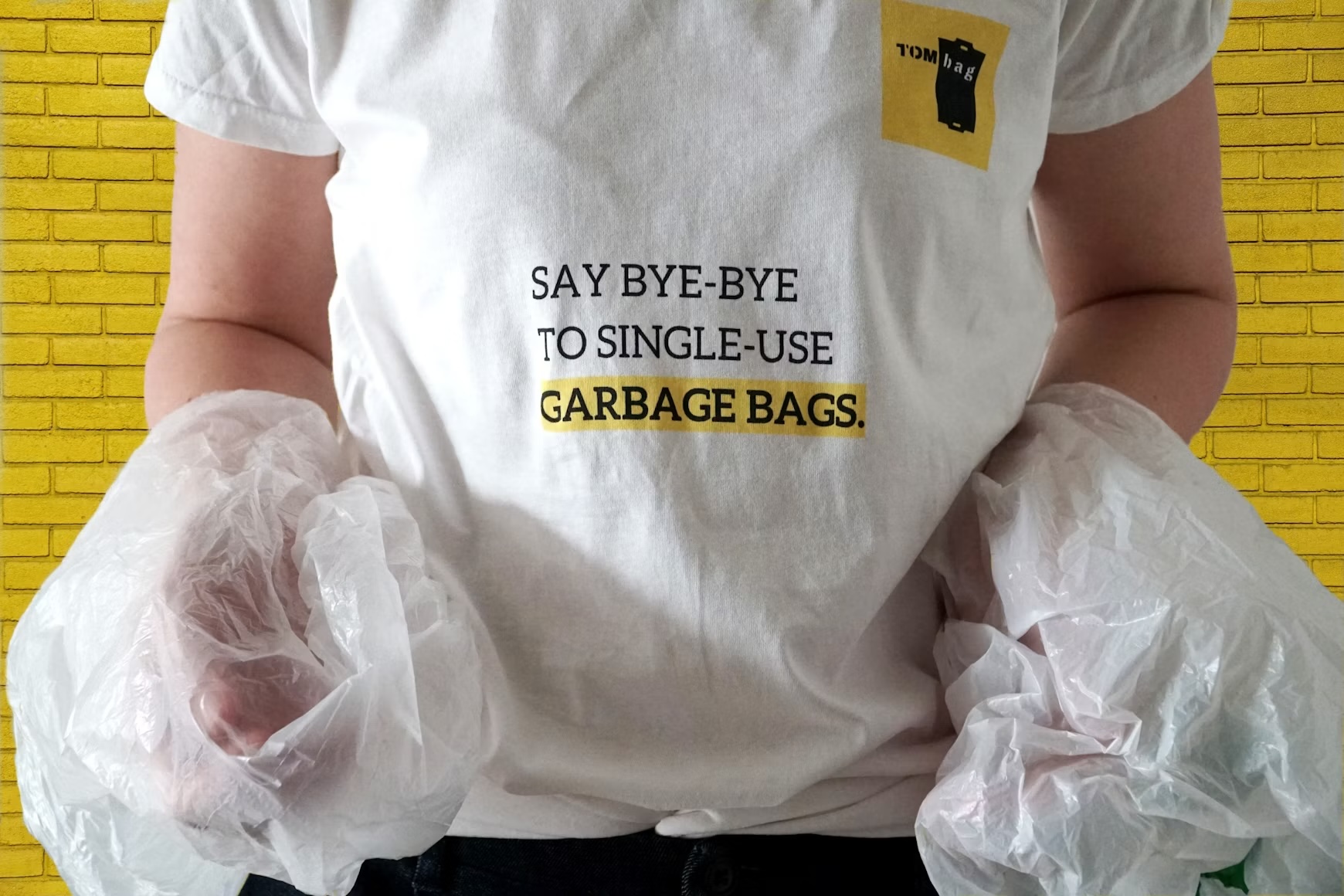
*Photo by Sasha Pestano sashapestano on Unsplash
References
World Wide Fund for Nature (WWF)-Philippines. Extended Producer Responsibility (EPR) Scheme Assessment for Plastic Packaging Waste in the Philippines. 2020. The study’s 2019 material-flow analysis estimated that, of approximately 2.15 million tonnes of plastic consumed in the Philippines, about 9% was recycled, 33% was disposed of in landfills and dumpsites, and 35% leaked into the open environment.
WWF-Philippines — EPR Scheme Assessment for Plastic Packaging Waste in the Philippines
WWF-Philippines. Extended Producer Responsibility. WWF’s current resource page continues to cite the 2019 material-flow analysis, reporting that 35% of consumed plastics leaked into the open environment and approximately 9% were recycled.