
What a Champion and an Entire Nation Can Teach Us About Belonging
When Alex Eala lifted the Mubadala DC Open trophy, the victory belonged to her.
Yet somehow, it also belonged to millions of Filipinos.
The score will be remembered by tennis historians. The rankings will find their place in record books. There will be analyses of forehands, footwork, strategy, and statistics.
What lingered, however, was something else.
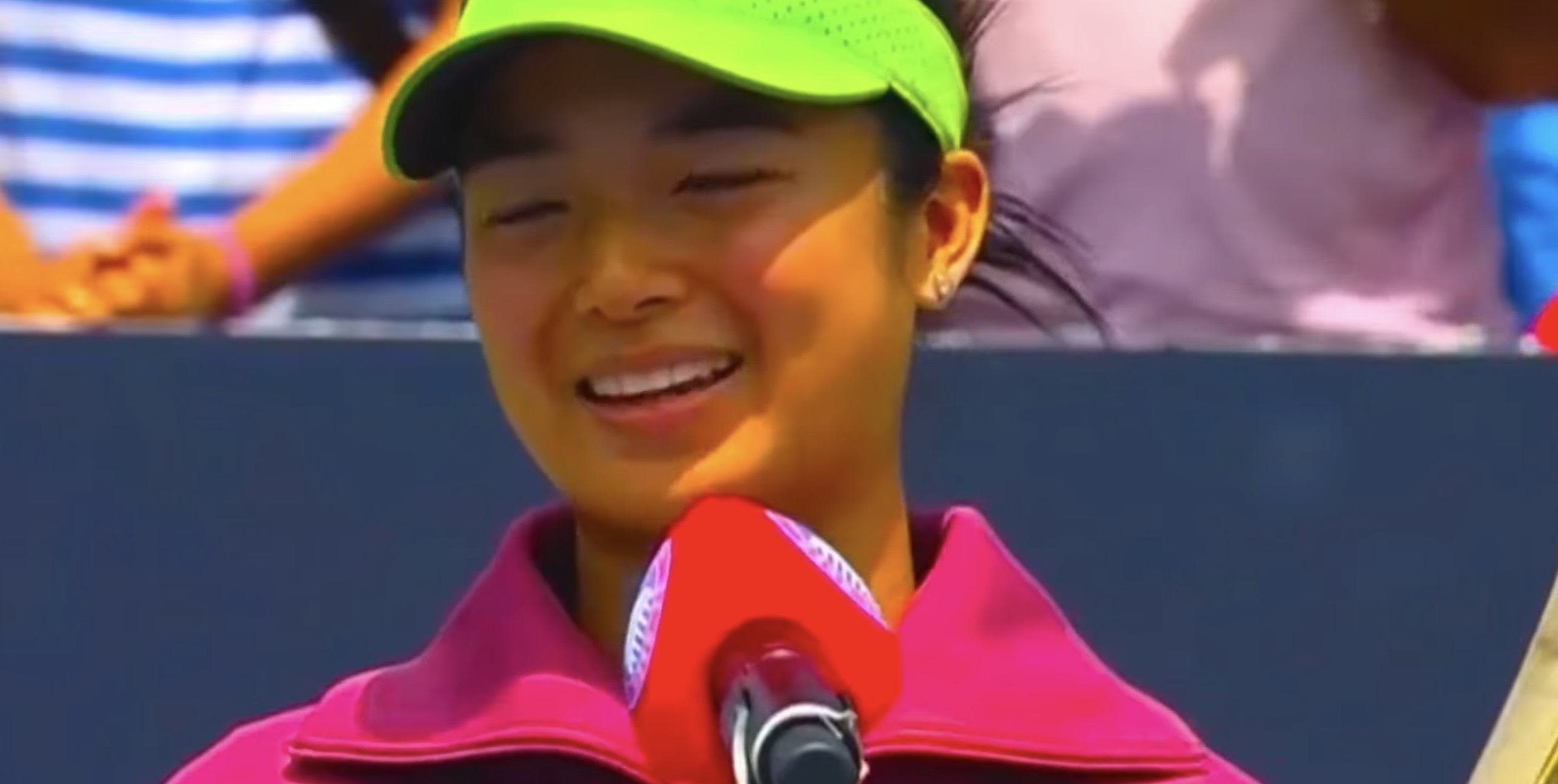
Standing before thousands of spectators after capturing the biggest title of her career, Alex did what remarkable people often do. Before speaking about herself, she acknowledged others.
She congratulated her opponent. She thanked her family. Eala recognized her coaches, the medical staff, the tournament and sponsors, and the people who helped her reach that stage.
Then she turned toward the crowd.
She spoke about the Filipino community.
She said she had felt their love from all over the world throughout the tournament.
“I really look forward to seeing you guys again.”
It was a simple sentence.
Yet it may have been one of the most meaningful moments of the evening.
Success Is Rarely a Solo Achievement
Modern culture loves stories about extraordinary individuals. We celebrate talent, determination, and personal grit.
Those qualities matter.
Yet every meaningful accomplishment also rests on something less visible.
Someone believed first.
Someone stayed.
And someone encouraged.
Someone healed an injury.
Someone prepared meals.
Then someone offered a ride.
Someone whispered, “Keep going.”
Human beings flourish through connection. Decades of research in psychology have shown that social support improves resilience, protects mental health, and strengthens performance under pressure. Even elite athletes consistently identify trusted relationships as one of the strongest predictors of long-term success.
Champions may stand alone on the podium.
They never arrive there alone.
A Victory That Felt Bigger Than Tennis
For many Filipinos, this championship carried an emotional weight that extended beyond sport.
Every time a Filipino walks onto an international stage with confidence, discipline, and humility, the country’s name is spoken with admiration rather than assumption.
It reminds the world that greatness is not determined by geography.
Nor by economic status.
Nor by population.
The Philippines has produced world champions, artists, scientists, healthcare professionals, musicians, innovators, beauty queens, educators, and public servants whose influence reaches far beyond our shores.
Again and again, Filipinos demonstrate creativity under pressure, resilience during hardship, and excellence despite limited resources.
Perhaps our greatest national strength has never been size.
It has always been spirit.
READ: Alex Eala and the Quiet Discipline of Becoming
Learning to Cheer for One Another
There was another victory unfolding throughout the tournament.
Filipinos showed up.
They celebrated.
They shared clips, stayed awake through matches, filled comment sections with encouragement, and proudly carried the Philippine flag into the stands.
In an age when criticism often travels faster than kindness, this collective support felt refreshing.
Communities thrive when people celebrate each other’s progress instead of competing with it.
Positive psychology calls this capitalization—the act of responding enthusiastically to another person’s good news. Research suggests that sharing in someone else’s success strengthens relationships, increases trust, and contributes to wellbeing for everyone involved.
Joy grows when it is shared.
Who knows, nations do, too.
The Wellness of National Pride
National pride can sometimes be misunderstood as loud declarations or sweeping slogans.
Its healthiest expression is subdued.
It appears when we encourage young athletes before they become champions.
When we support artists before they become famous.
When we recognize excellence without waiting for international validation.
Healthy communities are built on this habit.
People thrive when they know their efforts will be met with encouragement rather than indifference.
Perhaps that is one reason Alex’s words resonated so deeply.
She simply acknowledged the people who walked beside her.
What We Show the World
Every generation is remembered by the stories it chooses to tell about itself.
One story says we are too small.
Another says we are too divided.
Yet another says our greatest talents must leave home to be recognized.
Alex Eala offers a different narrative.
One built on discipline instead of shortcuts.
On humility instead of self-importance.
On gratitude instead of entitlement.
Yes, on excellence sustained through years of patient work.
These qualities have always existed in the Filipino character.
They deserve to be recognized more often, not only by the world, but by one another.
Beyond the Trophy
At Joyful Wellness, we have always believed that wellbeing extends beyond the body.
It also lives in hope.
In belonging.
In the confidence that people can become the fullest version of themselves when they are supported by a community that chooses encouragement over envy.
Alex Eala won a championship.
She also gave the country something harder to measure.
A reason to stand a little taller.
A reminder that greatness can remain gracious.
And an invitation to keep cheering—not only when someone finally reaches the summit, but while they are still climbing.
Because every Filipino who dares to dream carries a little of the country with them.
The least we can do is let them hear us cheering from home.
*Photo is a screengrab from a YouTube Video
References
- Deci, E. L., & Ryan, R. M. Self-Determination Theory: Basic Psychological Needs in Motivation, Development, and Wellness.
- Fredrickson, B. L. Positivity. Crown Publishing.
- Gable, S. L., Reis, H. T., Impett, E. A., & Asher, E. R. (2004). What Do You Do When Things Go Right? The Intrapersonal and Interpersonal Benefits of Sharing Positive Events. Journal of Personality and Social Psychology.
- Seligman, M. E. P. Flourish. Free Press.