

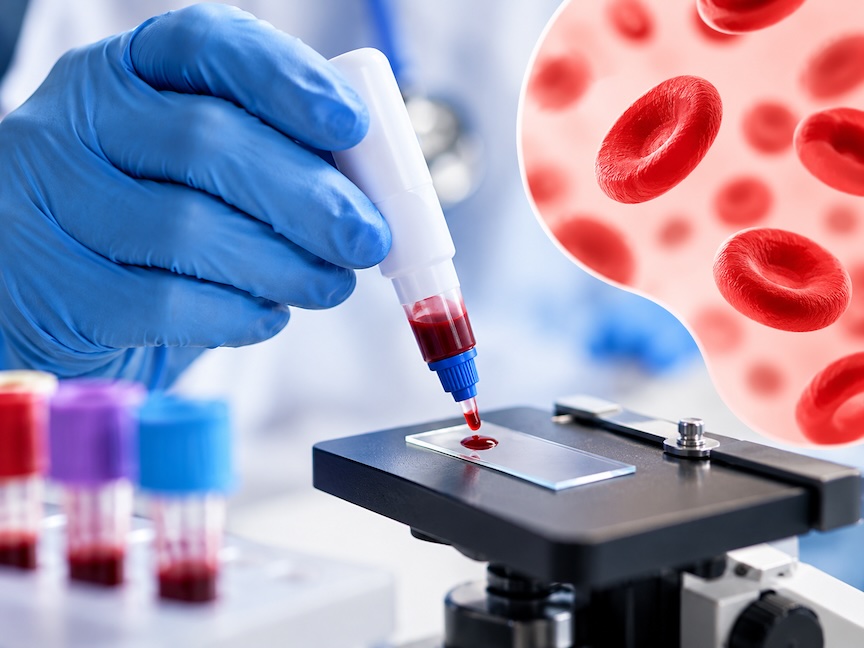
From blood sugar and cholesterol to kidney and liver function, here is how to understand common blood tests and what your results really mean.
A routine blood test can reveal important clues about your health, sometimes before you notice any symptoms. It can help detect anemia, identify a risk of diabetes, assess cholesterol levels, and monitor how well your kidneys and liver are working.
But a laboratory report can also be confusing. What does a high white blood cell count mean? Should you worry about elevated cholesterol? And does one abnormal result automatically mean you are sick?
The short answer is no. Blood tests provide clues, not the whole picture. Your doctor interprets them alongside your symptoms, medical history, medicines, physical examination, and sometimes other tests.
Here is a practical guide to the common blood tests you may encounter during a checkup, what they measure, and what to ask your doctor about the results.
1. Complete Blood Count (CBC): What Does It Say About Your Blood?
A complete blood count, or CBC, measures the cells circulating in your blood. It is commonly requested during routine checkups or when investigating symptoms such as fatigue, weakness, fever, or unusual bruising.
A CBC looks at three main types of blood cells:
- Red blood cells: Carry oxygen throughout your body. Low levels of red blood cells or hemoglobin may suggest anemia, which can contribute to fatigue, weakness, and shortness of breath.
- White blood cells: Help your body fight infections. High or low counts may occur with infections, inflammation, certain medicines, or immune and bone marrow disorders.
- Platelets: Help your blood clot. Abnormal counts can be associated with an increased risk of bleeding or, in some circumstances, clotting.
The report may also include hemoglobin, hematocrit, and mean corpuscular volume (MCV), which measures the average size of red blood cells. These details help doctors investigate possible causes of anemia and other blood abnormalities.
What a CBC cannot tell you: An abnormal white blood cell count does not automatically mean you have an infection. Likewise, low hemoglobin does not reveal the exact cause of anemia on its own. Your doctor may recommend additional tests, depending on the pattern of results and your symptoms.
2. Blood Sugar Tests: Are You at Risk for Diabetes?
Blood glucose tests measure the amount of sugar in your blood. They can help identify prediabetes and diabetes, as well as monitor people who are already receiving treatment.
Two common tests are:
Fasting blood glucose. This measures your blood sugar after you have had nothing to eat or drink except water for at least eight hours, when used for diabetes diagnosis.
Hemoglobin A1C (HbA1c). This estimates your average blood sugar over approximately the past three months. Unlike a fasting glucose test, it generally does not require fasting. However, certain conditions, including some types of anemia and problems affecting red blood cells, can make A1C results less reliable.
For nonpregnant adults, commonly used diagnostic ranges are:
| Test | Prediabetes range | Diabetes range |
|---|---|---|
| A1C | 5.7%–6.4% | 6.5% or higher |
| Fasting blood glucose | 100–125 mg/dL | 126 mg/dL or higher |
These are diagnostic thresholds, not a complete assessment of your health. In people without clear symptoms, an abnormal result generally needs confirmation. Your doctor will also consider factors that may affect the test.
Why this matters: Prediabetes means blood sugar is higher than normal but below the diabetes threshold. It is an opportunity to discuss practical changes in eating habits, physical activity, sleep, and weight management, when appropriate, that may help lower your future risk.
3. Lipid Profile: What Do Your Cholesterol Numbers Mean?
A lipid profile, also called a lipid panel, measures fats in your blood. It helps assess your risk of cardiovascular disease, including heart attack and stroke.
The report usually includes:
- Total cholesterol: The overall amount of cholesterol in your blood.
- LDL cholesterol: Often called “bad” cholesterol because elevated levels can contribute to plaque buildup in artery walls.
- HDL cholesterol: Often called “good” cholesterol because it helps transport cholesterol away from tissues. However, a higher HDL level does not automatically cancel out the risks associated with high LDL.
- Triglycerides: A type of fat used for energy. High levels can be associated with excess calorie intake, diabetes, alcohol use, certain medicines, and other health conditions.
High cholesterol often causes no noticeable symptoms. A blood test is therefore important, even if you feel perfectly well.
What should you look for?
Do not focus on total cholesterol alone. Your doctor will consider your LDL, HDL, triglycerides, age, blood pressure, smoking status, diabetes, family history, and other cardiovascular risk factors when deciding whether treatment is needed.
There is no single LDL target that is right for everyone. People with established cardiovascular disease or certain high-risk conditions may need lower levels than those at lower risk.
4. Kidney Function Tests: Are Your Kidneys Filtering Properly?
Your kidneys filter waste from your blood and help regulate fluid levels and important minerals. Blood tests can provide clues about how well they are doing their job.
Two commonly used measurements are:
Creatinine. This is a waste product produced by normal muscle activity. Healthy kidneys remove it from the blood. An elevated level may indicate reduced kidney function, but it can also be affected by muscle mass, dehydration, and other factors.
Estimated glomerular filtration rate (eGFR). This is calculated using blood creatinine and other factors to estimate how efficiently your kidneys filter waste. A lower eGFR may indicate reduced kidney function.
Doctors may also request a urine albumin test to check for protein leaking into the urine. This can reveal kidney damage even when eGFR is relatively preserved.
An important reminder: One abnormal result does not automatically mean you have chronic kidney disease. Doctors assess how severe the abnormality is, whether it persists, and whether other findings support kidney damage. Chronic kidney disease generally involves abnormalities that last at least three months.
People with diabetes, high blood pressure, or other kidney disease risk factors may benefit from regular monitoring. Ask your doctor which tests are appropriate for you.
5. Liver Function Tests: What Can They Reveal?
A liver panel measures substances in your blood that help doctors assess liver health. These may include liver enzymes, bilirubin, and proteins such as albumin.
Common measurements include:
- ALT and AST: Enzymes that can rise when cells are damaged. ALT is more closely associated with the liver, while AST is also found in muscles and other tissues.
- ALP: An enzyme that may rise with certain liver or bile duct conditions, but can also come from bone.
- Bilirubin: A substance produced when the body breaks down old red blood cells. High levels may contribute to jaundice, which causes yellowing of the skin or eyes.
- Albumin: A protein made by the liver. Low levels may occur with liver disease, but also with kidney problems, inflammation, poor nutrition, and other conditions.
These tests can help identify possible liver injury or problems with bile flow. However, elevated liver enzymes do not automatically mean you have serious liver disease. Some medicines, alcohol, fatty liver disease, viral infections, and even muscle injury can affect certain results.
Doctors interpret the pattern of results and may recommend repeat testing, additional blood tests, or imaging, depending on the suspected cause.
6. Electrolytes and Other Tests You May See
Depending on your symptoms and medical history, your doctor may request additional tests alongside your CBC or chemistry panel.
Electrolytes such as sodium and potassium help regulate fluid balance, nerve signals, and muscle function. Abnormal levels can occur with dehydration, kidney problems, certain medicines, and other conditions.
Calcium is important for bones, nerves, muscles, and normal heart function. Abnormal levels may prompt further investigation.
Thyroid-stimulating hormone (TSH) helps assess thyroid function. When interpreted with other thyroid tests, it can help identify an underactive or overactive thyroid.
A basic or comprehensive metabolic panel may include several of these measurements, along with glucose and kidney-related markers. The exact tests included depend on the panel ordered by your doctor.
Not everyone needs every test. The right selection depends on your age, symptoms, medical history, risk factors, and the purpose of the checkup.
Why Is a Result Marked “High” or “Low”?
Seeing an H or L beside a laboratory result can be unsettling. Before assuming the worst, remember that a reference range is not the same as a definitive diagnosis.
Laboratories establish reference ranges based on the methods they use and the populations they assess. Results can also be affected by factors such as hydration, recent meals, exercise, medicines, menstruation, and temporary illness.
A result slightly outside the reference range may not indicate a serious problem. Conversely, a result within the range does not rule out every disease.
Your doctor may consider whether several results are abnormal together, whether the finding matches your symptoms, and how your results have changed over time. A repeat test or further investigation may be appropriate.
The key is to interpret your results in context, rather than treating each number as a diagnosis.
READ: How to Lower Medical Costs: Screenings, Insurance, and Smart Health Choices
How to Prepare for a Blood Test
A little preparation can help your results provide a more accurate picture of your health.
- Ask whether you need to fast. Some blood glucose and lipid tests may require fasting, but not all do. Follow the instructions given by your doctor or laboratory.
- Drink water unless instructed otherwise. Plain water is generally allowed during fasting and can make blood collection easier. Follow any specific instructions you receive.
- Tell your doctor about your medicines and supplements. Do not stop prescribed medication unless your healthcare professional tells you to.
- Follow instructions about food, alcohol, and exercise. These can affect certain results, depending on the test.
- Bring previous laboratory reports if available. Comparing results over time can help your doctor identify meaningful changes.
If you are unsure whether you followed the preparation instructions, tell the laboratory or your doctor. They can advise whether the test should proceed or be rescheduled.
Five Questions to Ask Your Doctor About Your Results
You do not need to understand every abbreviation on your laboratory report. Start with these questions:
- Which results are most important for my health right now?
- Are any of my results outside the reference range, and what might explain them?
- Do I need another test to confirm or investigate a finding?
- What changes, if any, should I make to my diet, activity, medicines, or other habits?
- When should I repeat the test, and which symptoms should prompt me to seek medical advice sooner?
These questions can help turn a laboratory report into a practical plan for your health.
The Bottom Line: Know Your Numbers, Understand Your Health
Blood tests are valuable tools for prevention, diagnosis, and monitoring. They can reveal early warning signs, help track existing conditions, and guide decisions about treatment.
But no single number tells your entire health story. The most useful results are those interpreted in the context of your medical history, daily habits, symptoms, and personal risk factors.
Keep a copy of your reports, ask questions when something is unclear, and follow up on results your doctor identifies as important. Understanding your blood tests is not about becoming your own doctor. It is about becoming a more informed partner in your care.
Health reminder: This article is for general education and does not replace medical advice, diagnosis, or treatment. Discuss your individual results with a qualified healthcare professional.
References
- MedlinePlus. Complete Blood Count (CBC). medlineplus.gov
- National Institute of Diabetes and Digestive and Kidney Diseases (NIDDK). The A1C Test & Diabetes. NIDDK
- NIDDK. Diabetes Tests & Diagnosis. NIDDK
- Centers for Disease Control and Prevention (CDC). Testing for Cholesterol. CDC
- National Health Service (NHS). Chronic Kidney Disease: Diagnosis. NHS
- MedlinePlus. Liver Function Tests. medlineplus.gov
- MedlinePlus. Fasting for a Blood Test. medlinepl