
Editor’s Note
In observance of Breast Cancer Awareness Month, Joyful Wellness shares these gentle reminders from Dr. Claire Marie Reyes-Habito, a board-certified dermatologist with a special interest in supportive oncodermatology—the care of skin, hair, and nails affected by cancer treatment.
Excerpted from Staying Beautiful and Hopeful by Dr. Claire Marie Reyes-Habito; edited for Joyful Wellness. Because caring for oneself during treatment goes beyond appearance, these small routines can also help preserve comfort, confidence, and a sense of self through a difficult season.
Dr. Claire sees patients at Healthway Cancer Care Hospital and the Asian Cancer Institute. A compassionate physician and engaging speaker, she is dedicated to helping people undergoing cancer treatment care for their skin with greater confidence, hope, and faith.
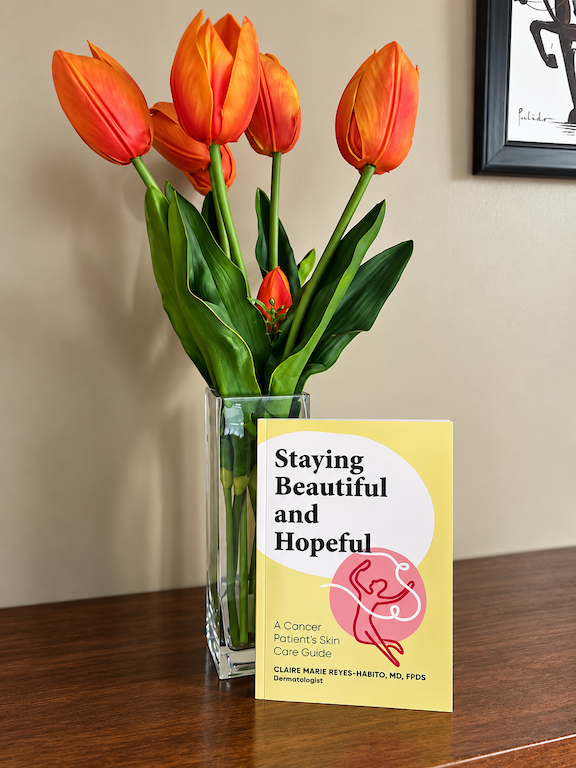
Her message is also at the heart of her book, Staying Beautiful and Hopeful, which offers further guidance and encouragement for patients navigating cancer treatment.
At Joyful Wellness, we believe that caring for oneself is not a matter of vanity, but an act of kindness toward the person who is doing the healing.
Chemotherapy can bring changes to your hair, skin, nails, and mouth. While these side effects can be challenging, simple self-care practices may help you feel more comfortable and confident throughout treatment.
Here are five pearls from a dermatologist to help you care for yourself, protect your skin, and hold on to the little routines that make you feel like you.
1. Hair Care and Hair Dare
During chemotherapy, use a mild, preferably fragrance-free shampoo to cleanse your scalp without causing unnecessary dryness or irritation. If you experience significant hair loss, gently moisturize your scalp after bathing with a product that suits your skin. Virgin coconut oil (VCO) is an option if your scalp tolerates it.
Deciding whether to cut or shave your hair is a personal choice. You may prefer a short pixie cut or choose to shave your head when you feel ready. Hair loss often begins within a few weeks of starting certain chemotherapy treatments, although the timing and extent vary from person to person. Your scalp may also become more sensitive during this time.
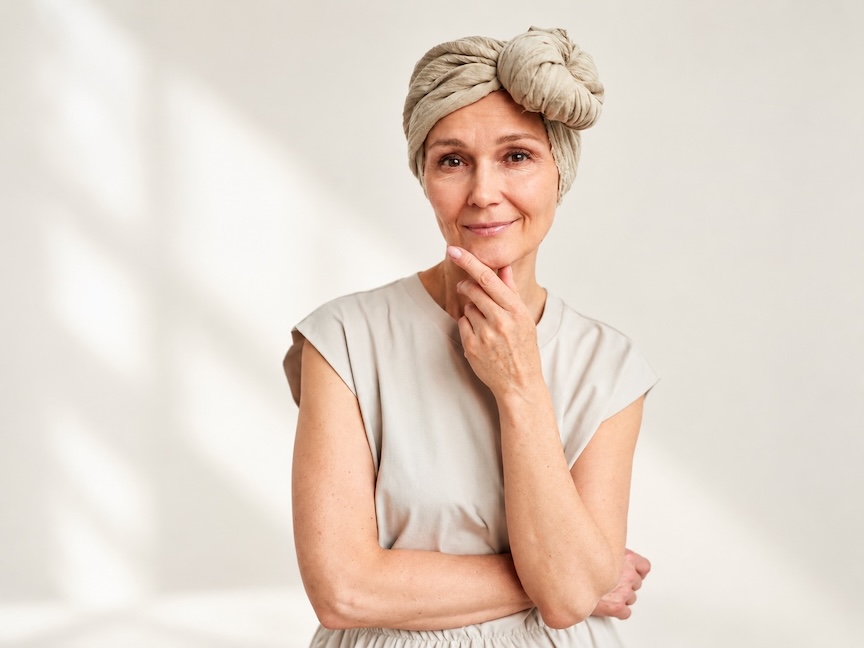
Caps, hats, scarves, and wigs can protect your scalp from the sun and wind. Choose soft, comfortable head coverings that suit your style and help you feel more like yourself. A little personal expression can be a welcome boost on days when treatment feels especially demanding.
2. Wake Up and Make Up
Start your day with a moment of positivity, prayer, or quiet reflection. A few minutes of mindfulness, followed by a gentle shower and skincare routine, can help you feel grounded and ready for the day ahead.
Use a mild, moisturizing body wash, preferably fragrance-free, to help prevent dryness. After bathing, gently pat your skin dry with a towel and apply a moisturizer while your skin is still slightly damp.
Chemotherapy may leave your skin feeling dry, sensitive, or irritated. Some people also notice changes in skin tone or complexion. If you enjoy wearing makeup, a little can help you feel more comfortable with these changes. Keep it simple: lipstick, a touch of powder, or lightly defined eyebrows may be enough.
Choose products that are gentle on your skin, and avoid anything that causes stinging or irritation. The goal is not to conceal every change but to do what helps you feel good and more like yourself.
3. Hand, Foot, and Nail Care
Give your hands and feet extra attention during treatment. Apply a thick, fragrance-free moisturizer at least twice a day, or more often if your skin feels dry.
Some chemotherapy medicines can cause a reaction known as hand-foot syndrome, which may lead to redness, swelling, tenderness, peeling, or painful areas on the palms and soles. If you notice these symptoms, tell your oncology team early.
Protect your hands from friction and irritation by wearing suitable gloves when gardening, doing laundry, or handling household cleaning products. For your feet, choose comfortable, well-padded shoes and avoid activities that aggravate sore areas.
Chemotherapy can also make nails brittle, discolored, or prone to splitting. Keep your nails short, clean, and dry. Moisturize your nails and cuticles with a gentle product; VCO may be an option if it does not irritate your skin.
If you wish to use nail polish, ask your care team what is suitable for your treatment. Avoid gel manicures and artificial nails if your oncology team advises against them, particularly if your nails or surrounding skin are damaged or your infection risk is elevated.
Self-care also means knowing your limits. Give yourself permission to rest, ask for help, and avoid activities that may worsen discomfort.
4. Dry Skin and Rash Care
Dryness, itching, and skin irritation can occur during cancer treatment. These changes may be related to chemotherapy, other medicines, or the effects of treatment on the skin. The type and severity of symptoms vary.
When your skin feels itchy, try not to scratch. Instead, apply a generous amount of a gentle, fragrance-free moisturizing cream several times a day as needed. Keeping your skin moisturized helps support its protective barrier and may ease dryness and discomfort.
Avoid harsh soaps, heavily fragranced products, and very hot showers, which can aggravate sensitive skin. Choose soft clothing and pay attention to areas where rubbing may worsen irritation.
Do not ignore a new or persistent rash. Contact your oncology team, especially if it spreads, becomes painful, develops blisters, or is accompanied by fever. A board-certified dermatologist can also work with your cancer care team to assess skin changes and recommend appropriate treatment.
5. Mouth Rinses and Sores
Some chemotherapy treatments can cause mouth sores, also known as oral mucositis. These may develop during the first few weeks of treatment, although the timing varies. They can make eating, drinking, and speaking uncomfortable.
Maintain gentle oral hygiene by brushing with a soft-bristled toothbrush and cleaning your mouth regularly. Floss only if your oncology team says it is safe for you, particularly if your platelet count is low or your gums bleed easily.
Your care team may recommend a gentle mouth rinse, such as a baking soda or salt-based solution, to help keep your mouth clean and comfortable. Ask them for the appropriate ingredients and proportions for your treatment rather than mixing a solution without guidance.
For some chemotherapy medicines, sucking on ice chips or using oral cryotherapy during the infusion may help reduce mouth sores. However, this approach is not suitable for every treatment. Ask your oncology team whether it is appropriate for your specific chemotherapy regimen and when it should be used.
If mouth sores make it difficult to drink or eat, or if you develop fever or worsening pain, contact your care team promptly.
A final pearl: You deserve care, patience, and kindness throughout treatment. Beauty during chemotherapy is not about looking unchanged. It is about finding comfort, preserving the routines that matter to you, and giving yourself permission to receive the support you need. Take each day as it comes, and remember that you do not have to navigate this journey alone.
*Cover photo from Getty Images for Unsplash+