

Many of the world’s leading causes of death, including heart disease, diabetes, stroke, and certain cancers, often develop quietly, sometimes over decades, before they cause symptoms. Feeling healthy and being healthy are not always the same thing. The real question isn’t whether you feel well today. It’s whether your body is showing signs that it will stay well tomorrow.
For generations, health has often been measured by a simple standard: If nothing hurts, everything must be fine.
Modern medicine tells us a different story.
Some of the most common diseases affecting people today are remarkably silent in their earliest stages. High blood pressure notoriously keeps hidden in headaches. Type 2 diabetes may begin years before excessive thirst or fatigue appear. High cholesterol has no warning symptoms at all, yet over time it can gradually narrow arteries until the first sign is a heart attack or stroke.
Increasingly, physicians are shifting their focus from treating disease to detecting risk long before illness develops. Instead of waiting for symptoms, healthcare is becoming more proactive, relying on measurable indicators that reveal how the body is functioning beneath the surface.
This approach is getting recognized to be crucial.
The World Is Living Longer—but Not Necessarily Healthier
Advances in medicine, vaccination, sanitation, and nutrition have helped people live longer than previous generations. Yet longevity has brought a new challenge.
Across the globe, non-communicable diseases (NCDs), including cardiovascular disease, cancer, chronic respiratory diseases, diabetes, and chronic kidney disease, have become the leading causes of illness and death. According to the World Health Organization, these chronic conditions account for nearly three-quarters of all deaths worldwide.
Unlike infectious diseases, many NCDs develop gradually. They are influenced by genetics, aging, lifestyle, environmental exposures, and social factors, making prevention a lifelong process rather than a single medical intervention.
A Global Trend Seen Clearly in the Philippines
The Philippines reflects this worldwide shift.
With a population of approximately 112.7 million, the country continues to grow, although more slowly than in previous decades. At the same time, fertility rates have declined to 1.9 children per woman, while the proportion of working-age and older adults continues to increase.
As populations age, health priorities inevitably change.
Recent data from the Philippine Statistics Authority show that ischaemic heart disease remains the country’s leading cause of death, followed by cancers and cerebrovascular diseases, or stroke. Diabetes, chronic kidney disease, and pneumonia also remain among the country’s most significant health burdens.
These statistics are not unique to the Philippines. They mirror trends seen across much of Asia and many parts of the world, where improvements in infectious disease control have been accompanied by rising rates of metabolic disease, obesity, hypertension, and age-related illnesses.
These numbers are a critical narrative.
The greatest threats to health today cover sudden illnesses and conditions that quietly accumulate over years.
READ: What Can a Filipino Do Today to Become Healthier Tomorrow?
Health Is No Longer Measured Only by Symptoms
One of the biggest changes in modern healthcare is the recognition that health can be measured long before disease becomes visible.
Think of your body as an aircraft.
Passengers may enjoy a smooth flight, unaware that instruments in the cockpit are constantly monitoring altitude, fuel levels, engine performance, and weather conditions. Pilots do not wait for an engine to fail before checking the gauges.
The human body works in much the same way.
Blood pressure, blood sugar, cholesterol, kidney function, liver enzymes, inflammatory markers, and body composition are part of an internal dashboard that provides early clues about future health.
These measurements allow physicians to identify risk while there is still time to intervene.
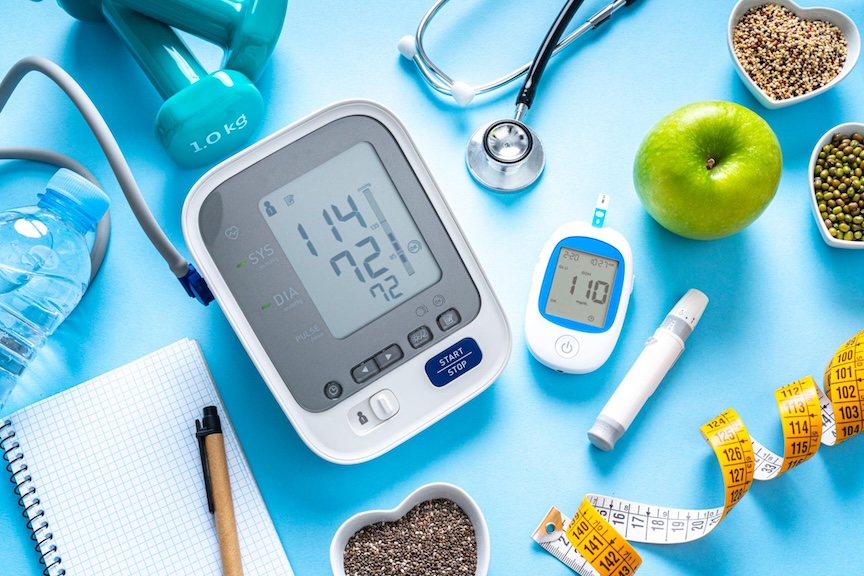
The Seven Health Numbers Worth Knowing
You probably know your phone number, your passwords, and your birthday by heart.
You should become just as familiar with the numbers that describe your health.
Blood Pressure
High blood pressure remains one of the strongest predictors of heart disease, stroke, kidney disease, and vascular dementia.
Because hypertension often causes no symptoms, regular monitoring is essential, even for people who feel completely well.
Blood Glucose
A fasting blood glucose test or glycated haemoglobin (HbA1c) measures how effectively the body regulates sugar over time.
Persistent elevation may indicate prediabetes or diabetes, both of which significantly increase the risk of cardiovascular disease, kidney failure, nerve damage, and vision loss.
Blood Lipids
A lipid profile evaluates total cholesterol, low-density lipoprotein (LDL), high-density lipoprotein (HDL), and triglycerides.
These values help estimate long-term cardiovascular risk and guide preventive treatment when necessary.
Kidney Function
The kidneys quietly filter nearly 180 litres of blood each day.
Routine measurements such as serum creatinine, estimated glomerular filtration rate (eGFR), and urine albumin can detect chronic kidney disease years before symptoms develop.
Complete Blood Count
A complete blood count (CBC) remains one of the most useful routine investigations.
It can reveal anaemia, infection, inflammation, immune abnormalities, or blood disorders that may warrant further evaluation.
Body Composition
Health extends beyond body weight.
Waist circumference, body mass index, muscle mass, and visceral fat provide a more meaningful picture of metabolic health than weight alone.
Recommended Screening Tests
Preventive care evolves with age.
Depending on individual risk factors, physicians may recommend cervical cancer screening, mammography, colorectal cancer screening, bone density testing, eye examinations, prostate evaluation, hearing assessments, and vaccination updates.
Without anticipating disease, regular screening must be a consistent practice.
It means giving yourself the opportunity to find problems while they remain highly treatable.
Why So Many People Wait Too Long
Despite advances in medical science, many people continue to postpone routine health evaluations.
Some are simply busy.
Others worry about costs.
Many assume that feeling well means they are healthy.
Behavioral scientists describe this as optimism bias—when we believe serious illness is more likely to happen to someone else.
Unfortunately, biology does not share that optimism.
Atherosclerosis develops whether we notice it or not.
Blood pressure rises without asking permission.
Blood sugar increases regardless of how energetic we feel.
By the time symptoms appear, disease has often been progressing silently for years.
Health Is More Than Laboratory Results
Laboratory tests are powerful, but they represent only one dimension of health.
Scientific evidence consistently shows that longevity and quality of life are influenced by a combination of biological, psychological, social, and environmental factors.
Nutrition matters.
Regular physical activity matters.
Sleep matters.
Mental health matters.
Strong relationships matter.
Exposure to nature matters.
Purpose and community matter.
These factors influence inflammation, immune function, hormonal balance, metabolic health, and even how quickly we recover from illness.
In other words, wellness cannot be measured by a single laboratory result.
It is the product of many small decisions repeated over a lifetime.
The Future of Healthcare Is Personal
Medicine is steadily moving away from reacting to disease toward predicting and preventing it.
This shift places individuals at the centre of their own health journey.
Rather than asking, “What disease do I have?” the better question may be, “What risks am I carrying today, and what can I do about them?”
That perspective changes everything.
It transforms a blood pressure reading from a number into an opportunity.
A cholesterol result becomes a conversation.
A routine health check becomes an investment rather than an expense.
And health itself becomes something we actively build and hope to keep.
The Most Valuable Health Habit
What now is the simplest, most important habit?
Let us become curious of our own body.
Know the numbers.
Understand what they mean.
Ask questions.
Repeat the measurements over time.
Health by luck or genetics alone, might be the fool’s path.
It is a lifelong conversation between science, lifestyle, and the choices we make every day.
The earlier that conversation begins, the greater the opportunity to shape how long we live, and how well we live.
Editorial Note
Joyful Wellness provides general, science-informed health information to help readers make informed decisions about their well-being. Our content is intended for educational purposes and does not replace professional medical advice. For personal health concerns or symptoms, readers are encouraged to consult a licensed healthcare professional.
hj-project-XDriHjSKiuE-unsplash.jpg
References
- World Health Organization (WHO). Noncommunicable Diseases Fact Sheet. Updated September 2025. Available at: World Health Organization – Noncommunicable Diseases.
- World Health Organization (WHO). WHO Data: Philippines Health Profile. Available at: WHO Data – Philippines Health Profile.
- Philippine Statistics Authority (PSA). Causes of Death in the Philippines (latest annual reports). Available through the Philippine Statistics Authority.
- Philippine Statistics Authority (PSA). National Demographic and Health Survey (NDHS) 2022. Available through the Philippine Statistics Authority.
- World Health Organization & United Nations Development Programme. Prevention and Control of Noncommunicable Diseases in the Philippines: The Case for Investment. Geneva: WHO; 2019. Available at: WHO – The Case for Investment.
- Philippine Institute for Development Studies (PIDS). Ulep VGT, Uy J, Casas LD. Primary Health Care and Management of Noncommunicable Diseases in the Philippines. Philippine Journal of Development. 2021. Available at: Philippine Journal of Development – Primary Health Care and NCDs.
- World Health Organization. Global Health Observatory (GHO) Data Repository. Available at: WHO Global Health Observatory.
- American Heart Association. Life’s Essential 8™: The Eight Components of Cardiovascular Health. Available at: American Heart Association – Life’s Essential 8.
- American Diabetes Association. Standards of Care in Diabetes—2026. Available at: American Diabetes Association Standards of Care.
- U.S. Preventive Services Task Force. Recommendations for Preventive Care and Screening. Available at: U.S. Preventive Services Task Force Recommendations.
- Centers for Disease Control and Prevention. Preventive Health Guidelines and Adult Screening Recommendations. Available at: CDC Preventive Care Resources.
- Philippine Health Insurance Corporation. Konsulta Package and Primary Care Benefits. Available at: PhilHealth Official Website.