

Before you spend another peso, here’s how to separate health promises from scientific evidence.
Wellness has become an expensive pursuit.
Walk into any pharmacy or health store and you’ll find shelves lined with products promising healthier skin, stronger bones, better sleep, sharper memory, more energy, and even a longer life. Scroll through social media and you’ll meet influencers who swear that one powder transformed their complexion or one capsule changed everything.
It’s tempting to believe them.
After all, most of us are simply trying to take care of ourselves and the people we love.
We work hard for our money. Every purchase is a decision. Every bottle we place in our shopping basket is an investment in the hope of feeling healthier tomorrow.
That hope deserves to be met with something equally valuable:
The truth.
We do come across cynical advice that says every supplement is a scam.
Marketing that promises miracles are constantly visible.
But it is clear, evidence-based information that helps you decide whether a product is truly worth your time, your trust, and your hard-earned money.
At Joyful Wellness, we believe that one of the most empowering health skills you can develop is learning how to evaluate health claims with confidence. Because when you understand what the science actually says and where its limits are, you become less vulnerable to hype and more capable of making choices that genuinely support your well-being.
Let’s begin with one of the most talked-about supplements today: collagen.
The Supplement Everyone Seems to Be Taking
If there is one supplement that has captured the wellness world’s imagination over the past decade, it’s collagen.
You’ll find collagen in almost every form imaginable, powders stirred into coffee, ready-to-drink beverages, gummies, capsules, protein bars, and even beauty candies. The promises are equally impressive: smoother skin, fewer wrinkles, shinier hair, stronger nails, healthier joints, and younger-looking skin.
It’s an attractive idea.
After all, collagen is a protein our bodies naturally produce. It gives structure to our skin, bones, tendons, ligaments, and other connective tissues. As we grow older, however, collagen production gradually declines. Beginning in our twenties, our bodies start making less of it each year. Sun exposure, smoking, poor sleep, and other lifestyle factors may speed up that decline.
It’s understandable, then, why many people wonder:
If we’re losing collagen, wouldn’t taking more simply replace what we’ve lost?
It’s a reasonable question and one scientists have been studying for years.
READ: Glow from the Inside Out: How Self-Awareness Transforms Your Health and Beauty
What the Research Says About Collagen
The answer is more encouraging than some people expect, but also more nuanced than many advertisements suggest.
Several well-designed clinical studies have found that hydrolyzed collagen peptides may improve skin hydration and elasticity after consistent use for several weeks or months. Some research has also reported modest improvements in the appearance of wrinkles and relief from joint discomfort in certain adults.
These findings are promising, but they’re not the whole story.
Many of the studies conducted so far have involved relatively small groups of participants, and some were funded by manufacturers of collagen products. Independent researchers continue to call for larger, longer-term studies to better understand who benefits most, what doses are most effective, and whether the improvements last over time.
In other words, the science have no claims that collagen is a miracle.
It also doesn’t say collagen is useless.
The most accurate conclusion is that collagen may offer modest benefits for some people, particularly when used consistently alongside healthy lifestyle habits. But it should never be viewed as a substitute for good nutrition, adequate sleep, regular physical activity, or protecting the skin from excessive sun exposure.
Collagen Isn’t the Only Supplement Making Big Promises
Collagen is just one example of a much bigger wellness trend.
Every year, consumers spend billions on vitamins, minerals, probiotics, herbal products, and other supplements, each promising to improve some aspect of health. Some products are backed by decades of scientific evidence. Others are supported by promising but still developing research. And some rely more on persuasive marketing than on solid science.
The challenge lies in learning which claims deserve your confidence.
Can Food Help Your Body Make Collagen?
Yes.
Although no single food can stop the natural aging process, your body needs several nutrients to produce collagen on its own.
These include:
- Protein-rich foods such as fish, eggs, poultry, beans, and dairy products, which provide the amino acids used to build collagen.
- Vitamin C, found in citrus fruits, guava, strawberries, tomatoes, and bell peppers, which plays an essential role in collagen formation.
- Copper and zinc, found in nuts, seeds, seafood, whole grains, and legumes, which help support normal connective tissue.
Just as important are the habits that protect the collagen you already have. Wearing sunscreen, avoiding smoking, getting enough sleep, staying physically active, and eating a balanced diet all contribute to healthier skin as we age.
In other words, your daily habits may do as much for your skin as what’s inside the supplement bottle.
Five Questions to Ask Before Buying Any Supplement
Before spending your money on any vitamin, powder, or capsule, pause for a moment and ask yourself these five questions.
1. What problem is this product actually trying to solve?
A supplement should have a clear purpose. Is it meant to address a diagnosed nutrient deficiency, support bone health, or help meet nutritional needs that are difficult to obtain through diet alone? Be cautious of products that claim to improve nearly every aspect of your health. When something promises everything, it often delivers very little.
2. Is the claim supported by credible scientific evidence?
One person’s testimonial, even thousands of them, is not the same as scientific proof. Look for recommendations that are supported by well-designed clinical studies and trusted medical organizations rather than celebrity endorsements or viral social media posts.
3. Are the promised benefits realistic?
Science rarely offers overnight transformations. Improvements, when they occur, are often gradual and modest. Products that promise dramatic results in just a few days deserve extra scrutiny.
4. Could I achieve similar benefits through everyday habits?
Sometimes the answer may be getting enough sleep, eating more protein, managing stress, exercising regularly, or protecting your skin from the sun. These habits often have stronger evidence behind them than many products on store shelves.
5. Is this a wise investment for me?
The most expensive supplement may be ineffective. Before making a purchase, consider whether the expected benefits justify the cost. Your health deserves investment, but it also deserves thoughtful spending.
DISCOVER: The Truth About Water and Your Skin: Hydration, Health, and the Anti-Aging Myth
The Joyful Wellness Way
There is nothing wrong with hoping that a supplement might help you feel healthier.
Hope is human. But hope becomes even more powerful when it is guided by evidence.
Our goal is to help you ask better questions before believing the next health promise that appears on your screen or on a store shelf. Because every peso you spend represents hours of your life.
You earned it.
And that means every health decision deserves more than clever advertising or persuasive testimonials. It deserves careful thought, trustworthy information, and an understanding of what science knows today and what it is still trying to discover.
If a supplement fits your health needs, your budget, and the best available evidence, it may have a meaningful place in your wellness journey.
But never forget that the strongest foundations of good health have remained remarkably consistent through the years.
A balanced diet.
Regular movement.
Restorative sleep.
Meaningful relationships.
Stress management.
Preventive healthcare.
These habits rarely become viral trends.
Yet they continue to outperform shortcuts because they nourish the body every single day.
That’s the kind of wellness we hope to build at Joyful Wellness, one grounded in knowledge, thoughtful choices, and confidence. Because the best investment you can make is learning how to make informed decisions about your health.
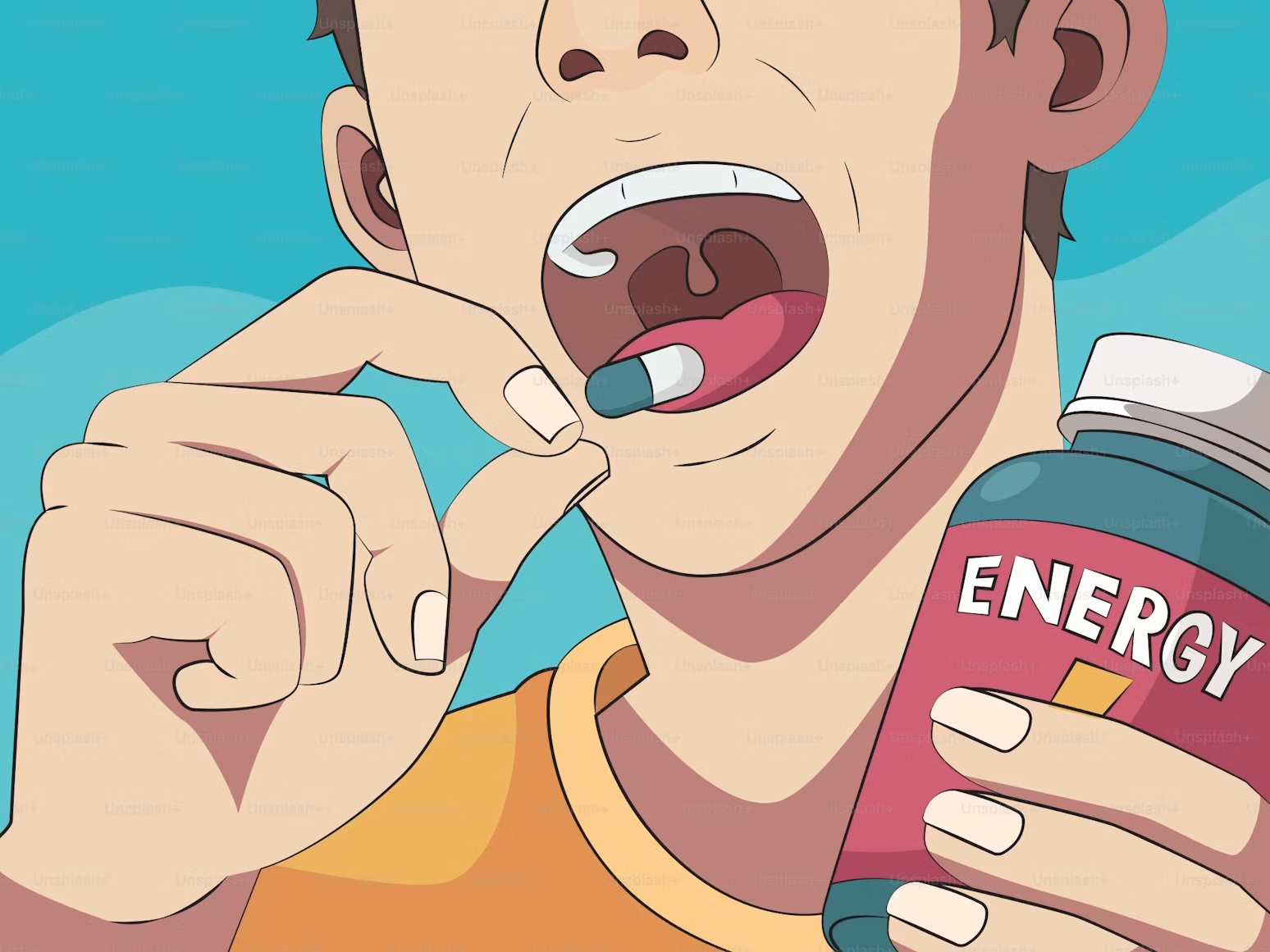
Photo by Rizki Kurniawan For Unsplash+
The Science Behind This Story
Dietary supplements continue to grow in popularity worldwide, driven by increasing interest in healthy aging, beauty, and disease prevention. Among the most widely used are collagen supplements, particularly hydrolyzed collagen peptides, which have been studied for their potential effects on skin hydration, elasticity, wrinkles, and joint health.
Current research suggests that collagen supplementation may provide modest improvements in skin hydration and elasticity after several weeks of consistent use, while some studies have reported benefits for joint discomfort. However, researchers caution that many clinical trials have been relatively small, and some have received industry funding. Larger independent studies are still needed to determine optimal doses, long-term effectiveness, and which individuals benefit most.
Health authorities also emphasize that dietary supplements should complement, not replace, a balanced diet and healthy lifestyle. Nutrients obtained from whole foods come packaged with fiber, healthy fats, antioxidants, and other beneficial compounds that supplements alone cannot fully replicate.
Learning to evaluate health claims is an important part of health literacy. Looking beyond advertising and understanding the strength of scientific evidence empowers consumers to make informed decisions that support both their health and their finances.
At Joyful Wellness, our goal is to help readers understand what current science knows, where uncertainty remains, and how to make thoughtful choices that align with their health goals.
References
- National Institutes of Health Office of Dietary Supplements. Dietary Supplements: What You Need to Know.
- American Academy of Dermatology Association. Anti-aging Skin Care.
- Harvard T.H. Chan School of Public Health. The Nutrition Source.
- Mayo Clinic. Collagen Supplements: Do They Work?
- Cleveland Clinic. Collagen Supplements: Benefits and Limitations.
- EFSA (European Food Safety Authority). Scientific Opinions on Nutrition and Health Claims.
- National Center for Complementary and Integrative Health (NCCIH). Using Dietary Supplements Wisely.
- Pu, S. Y., et al. (2023). Oral Collagen Supplementation for Skin Aging: A Systematic Review and Meta-analysis.