

Cholesterol often gets a bad reputation. You may have heard advice to avoid eggs, give up butter, or cut out fat altogether to protect your heart. But cholesterol is not inherently harmful. Your body needs it to build cell membranes and produce hormones and vitamin D.
The problem begins when certain cholesterol-carrying particles build up in your arteries. Over time, this can contribute to plaque formation, increasing the risk of heart attack and stroke.
That is why managing cholesterol is not about eliminating it from your diet or simply trying to raise your “good” cholesterol. It is about understanding your cholesterol levels, choosing heart-healthy habits, and working with your healthcare professional to manage your overall risk.
The good news? Small, sustainable changes can make a meaningful difference. Here are five evidence-based ways to get started.
1. Choose healthier fats without sacrificing flavor
You do not need to follow a fat-free diet to protect your heart. What matters is the type of fat you eat and what you use in its place.
Limit saturated and trans fats. Saturated fat, found in foods such as fatty meats, butter, cream, and some baked goods, can raise LDL cholesterol. Industrial trans fats are particularly harmful and should be avoided where possible.
Choose unsaturated fats more often. Olive or canola oil, nuts, seeds, avocado, and fish provide unsaturated fats that can help lower LDL cholesterol when they replace saturated fats in your diet.
You do not have to eliminate your favorite foods overnight. Start with manageable swaps.
Try this: Use a little olive or canola oil instead of butter when cooking. Choose fish more often, trim visible fat from meat, and snack on a small handful of unsalted nuts instead of pastries.
Remember, portion sizes still matter. Even heart-friendly fats are calorie-dense.
2. Add soluble fiber to help lower LDL cholesterol
Fiber supports digestion, but one type—soluble fiber—also helps manage cholesterol.
When soluble fiber mixes with water, it forms a gel in the digestive tract. This helps reduce the reabsorption of bile acids, which are made using cholesterol. The liver then uses more cholesterol to make replacement bile acids, helping lower the amount circulating in the blood.
Good sources include:
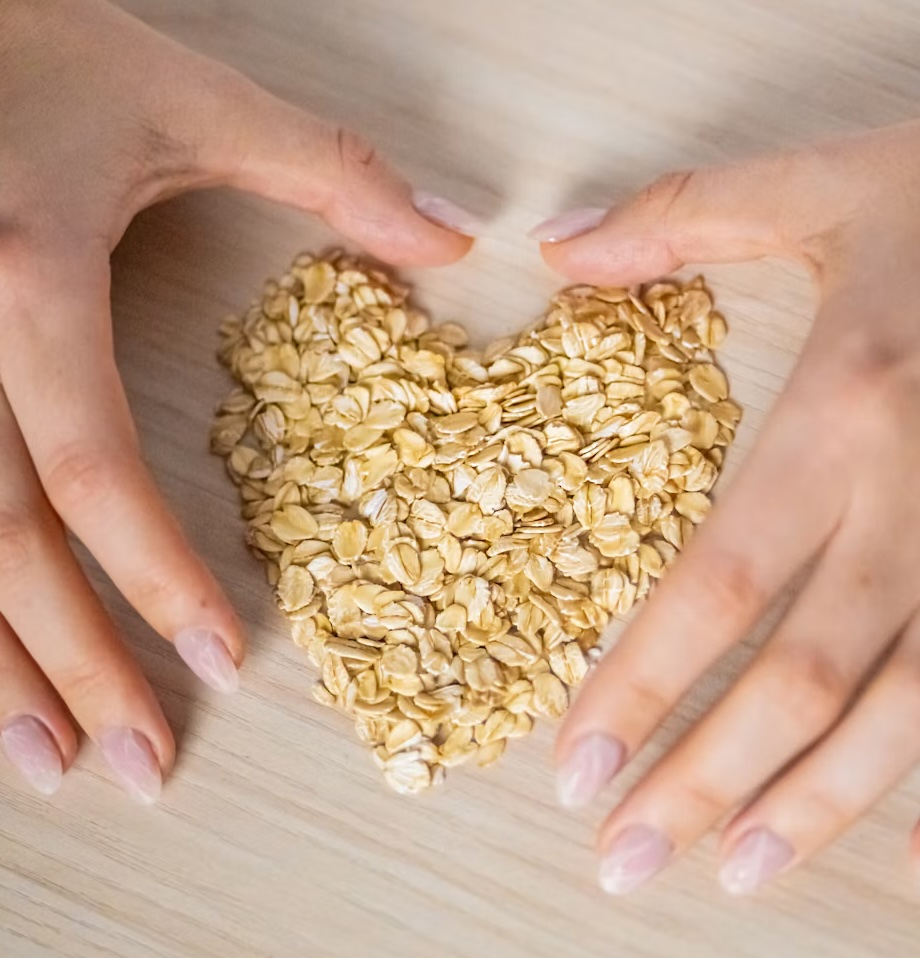
- Oats and barley: Easy additions to breakfast or meals.
- Beans, monggo, chickpeas, and lentils: Affordable sources of fiber and plant protein.
- Fruits: Apples, pears, oranges, and other whole fruits.
- Vegetables: Okra, eggplant, carrots, and other fiber-rich choices.
- Seeds: Chia seeds and ground flaxseeds can add fiber to meals.
Rather than chasing a high soluble-fiber number, focus on getting enough fiber overall and including soluble-fiber sources regularly. Increase fiber gradually and drink enough water to help prevent digestive discomfort.
Try this: Have oatmeal for breakfast, add monggo or beans to a meal, or choose a whole fruit instead of juice. These everyday choices can add up.
READ: The Joint–Heart Connection: What Arthritis and Cholesterol Can Tell Us About Aging Well
3. Move more throughout the week
Physical activity supports cardiovascular health and can improve your lipid profile. Regular exercise may help lower triglycerides, raise HDL cholesterol, and improve the body’s ability to manage blood fats. Its benefits extend well beyond cholesterol, including better blood pressure, blood sugar control, and fitness.
A useful goal for most adults is at least 150 minutes of moderate-intensity aerobic activity each week, such as brisk walking, cycling, or swimming. Muscle-strengthening activities on at least two days a week are also recommended.
You do not need to accomplish everything in one session. Shorter bouts of movement count, too.
Try this: Walk briskly for 30 minutes on five days of the week, or break that time into shorter walks that fit your schedule. Take the stairs when practical, walk during phone calls, or invite a friend to join you.
If you have a chronic condition, mobility limitations, or have been inactive for a long time, ask your healthcare professional how to begin safely.
4. Know what plant sterols can—and cannot—do
Plant sterols and stanols are naturally occurring compounds found in small amounts in plant foods. They have a structure similar to cholesterol and can reduce the amount of cholesterol absorbed in the intestine.
Studies show that consuming about 2 grams a day from foods fortified with plant sterols or stanols can lower LDL cholesterol by roughly 5% to 15%, although the response varies between individuals.
However, there are important limitations. Ordinary foods generally contain much smaller amounts, and fortified products are not available everywhere. More importantly, lowering LDL cholesterol with plant sterols does not automatically mean a proven reduction in heart attacks or strokes. They are not a substitute for an overall heart-healthy diet or prescribed medication.
Try this: If you are considering a fortified product, check its label and discuss it with your healthcare professional, particularly if you take cholesterol medication or have an underlying medical condition. Do not start a phytosterol supplement simply because it is marketed as natural.
For most people, the first priorities remain healthier food choices, regular movement, and appropriate medical follow-up.
5. Support a healthy weight and metabolic health
For people carrying excess weight, especially around the abdomen, gradual weight loss can improve triglycerides and may improve LDL and HDL cholesterol. It can also help with blood pressure and blood sugar.
You do not need to reach a particular clothing size or a so-called perfect weight to benefit. Even a modest, sustainable reduction in weight can improve some cardiovascular risk factors, although the effect on cholesterol varies from person to person.
Food choices also matter independently of weight. Frequent sugary drinks, sweets, and refined carbohydrates can contribute to high triglyceride levels, particularly in people who are susceptible to them. Alcohol can raise triglycerides in some people, too.
Try this: Replace sugary drinks with water more often, include vegetables and protein in your meals, choose whole grains when available, and build routines you can maintain. Avoid crash diets and extreme restrictions that are difficult to sustain.
Weight management is not a test of willpower. Sleep, stress, medicines, genetics, medical conditions, food access, and other circumstances can all affect weight and cholesterol.
DISCOVER: Heart Health Beyond Cholesterol: Sleep, Stress, and Social Connection
Your cholesterol numbers need context
A lipid profile usually measures total cholesterol, LDL cholesterol, HDL cholesterol, and triglycerides. Some reports also include non-HDL cholesterol, which captures cholesterol carried by several potentially artery-clogging particles.
LDL is an important treatment target because elevated levels contribute to plaque buildup in arteries. But there is no single LDL target that is right for everyone. Your healthcare professional will consider factors such as age, blood pressure, diabetes, smoking, family history, and whether you already have cardiovascular disease.
Depending on your risk, you may need medication as well as lifestyle changes. Statins and other cholesterol-lowering medicines can substantially reduce risk for people who need them. Do not stop or change a prescribed medicine without discussing it with your healthcare professional.
It is also worth asking whether you should have a lipoprotein(a), or Lp(a), test. This inherited risk factor is not included in a standard lipid profile, and current US guidelines recommend measuring it at least once in adulthood. Your clinician can help determine whether it is appropriate for you.
Small steps, stronger heart health
Managing cholesterol does not require an overnight lifestyle overhaul. Start with one or two changes you can maintain: replace some saturated fats with unsaturated fats, add fiber-rich foods, move more often, or schedule a review of your latest lipid profile.
Keep in mind that lifestyle changes may not be enough on their own, particularly when cholesterol is very high or inherited factors contribute to your risk. Getting your numbers checked and following a treatment plan tailored to you are important parts of prevention.
Your next step: If you have had a lipid profile, bring the results to your next medical appointment. Ask what your LDL and non-HDL levels mean for your personal risk, what target is appropriate for you, and when you should repeat the test.
Health disclaimer: This article is for general educational purposes and is not a substitute for individualized medical advice. Consult a qualified healthcare professional before making major changes to your exercise routine or starting supplements. Continue prescribed cholesterol medication unless your clinician advises otherwise.
*Photo by Roman Matveev for Unsplash
References
American Heart Association. 2026 Guideline on the Management of Dyslipidemia. https://professional.heart.org/en/science-news/2026-guideline-on-the-management-of-dyslipidemia
National Heart, Lung, and Blood Institute. Therapeutic Lifestyle Changes to Lower Cholesterol. https://www.nhlbi.nih.gov/health/TLC-Therapeutic-Lifestyle-Changes-Lower-Cholesterol
National Lipid Association. (2023). Nutrition interventions for adults with dyslipidemia: A Clinical Perspective from the National Lipid Association. Journal of Clinical Lipidology. https://www.lipidjournal.com/article/S1933-2874%2823%2900185-X/fulltext
Centers for Disease Control and Prevention. (2024). LDL and HDL Cholesterol and Triglycerides. https://www.cdc.gov/cholesterol/about/ldl-and-hdl-cholesterol-and-triglycerides.html
Endotext, National Center for Biotechnology Information. The Effect of Diet on Cardiovascular Disease and Lipid and Lipoprotein Levels. https://www.ncbi.nlm.nih.gov/books/NBK570127/
American Heart Association. Prevention and Treatment of High Cholesterol (Hyperlipidemia). https://www.heart.org/en/health-topics/cholesterol/prevention-and-treatment-of-high-cholesterol-hyperlipidemia