

This article is based on information from a WebMD article titled “Does Drinking Water Really Help Your Skin?” All information presented here is derived from that source and should not be considered medical advice. Consult a healthcare professional for any health concerns.
The belief that drinking copious amounts of water will magically erase wrinkles and create flawless skin is a persistent myth.
While water is undeniably crucial for overall health, its impact on skin appearance is more nuanced than commonly believed.
This article explores the relationship between hydration and skin health, separating fact from fiction.
The Science of Skin Hydration
Our skin, the body’s largest organ, comprises three layers: the subcutaneous fat layer, the dermis, and the epidermis. The outermost layer, the stratum corneum, acts as a barrier, preventing excessive water loss and protecting against external elements.
While the cells within this layer can absorb water, simply submerging in water or drinking large quantities won’t dramatically plump up the skin or reverse aging.
Water’s Role in Skin Health
Proper hydration is essential for maintaining skin’s overall tone and elasticity. Dehydration can lead to a less supple, less “bouncy” appearance. Rehydration can improve this, but it won’t eliminate wrinkles or significantly reduce pore size.
A small study examining the effects of increased water intake (2.25 liters daily) showed some improvement in skin thickness for individuals who were previously poorly hydrated.
However, the results were not universally consistent, and the study did not demonstrate anti-aging effects.
The Anti-Aging Claim: Fact or Fiction?
The claim that drinking more water will significantly reduce wrinkles or reverse aging is largely unfounded.
Aging causes collagen and elastin breakdown, resulting in sagging, fine lines, and wrinkles, along with reduced moisture retention. Increased water intake alone won’t address these underlying causes.
Beyond Hydration: A Holistic Approach to Healthy Skin
While water is essential for overall health and contributes to skin’s overall tone, a comprehensive approach is needed for healthy, youthful-looking skin.
This includes:
- Moisturizing: Topical moisturizers help restore skin hydration.
- Healthy Lifestyle: Limiting alcohol consumption, avoiding smoking, and adopting a balanced diet rich in fruits, vegetables, whole grains, healthy fats, and lean proteins are crucial.
- Sun Protection: Consistent sunscreen use is vital to protect against sun damage, a major contributor to premature aging.
Drink plenty of water for your overall health, but don’t expect it to work miracles on your skin.
While adequate hydration is important, addressing skin aging and achieving healthy, vibrant skin requires a holistic approach encompassing proper moisturizing, a healthy lifestyle, and sun protection.
The myth of water as a wrinkle eraser needs to be dispelled.
DISCLAIMER
This article provides general information and does not constitute medical advice. Consult your healthcare provider for personalized recommendations. If symptoms persist, consult your doctor.
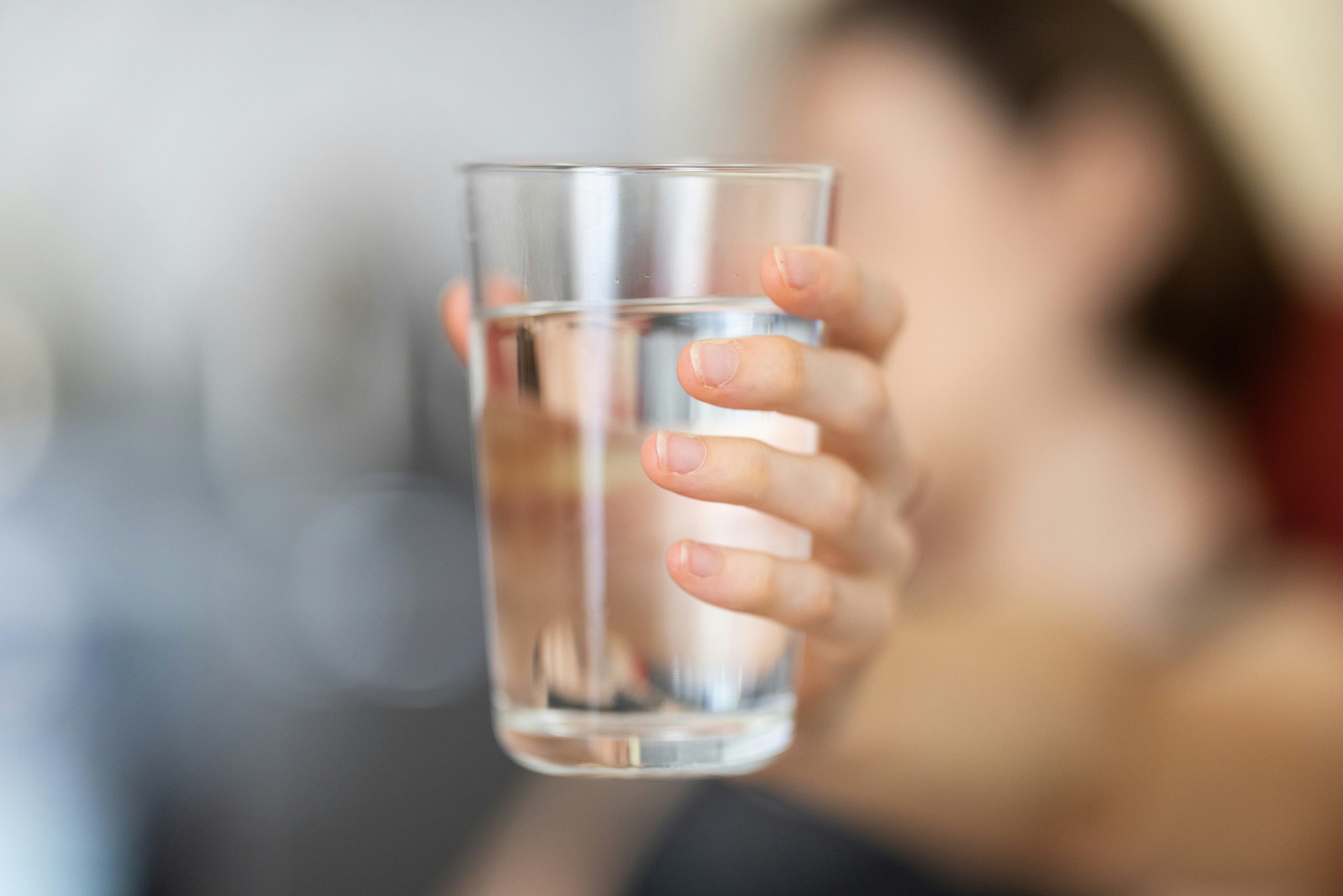
Photo by Engin Akyurt on Unsplash