“Healthy eating sometimes begins with a new way of looking at your lunch.”
If you’ve ever abandoned a healthy eating plan before it even reached Wednesday, you’re in good company.
Many of us begin the week with the best intentions. We buy fresh vegetables, promise ourselves we’ll skip sugary drinks, and imagine colorful homemade meals worthy of social media. Then life happens. A meeting runs late. Traffic steals an hour from the evening. Someone suggests takeout. The vegetables quietly wilt in the refrigerator.
By Friday, we tell ourselves we’ll “start again on Monday.”
Is the problem a lack of willpower?
More often, it’s that we’ve been taught to think of healthy eating as a project instead of a practice.
Nutrition science has been quietly moving in a different direction. Rather than asking people to overhaul their entire lifestyle overnight, researchers are increasingly looking at small, sustainable habits that are easy to repeat. Tiny changes, done consistently, often outperform ambitious plans that are impossible to maintain.
We like that idea.
Wellness should excite us instead of leaving us exhausted before the week even begins.
So welcome to Nutrition Hacks of the Week, where we explore practical, science-informed ideas that fit real life. No guilt. Nor fad diets. No impossible meal plans. Just simple shifts that may help your body work a little better, one week at a time.
Hack #1: Feed Your Gut Before You Feed Yourself
Here’s a question you may never have been asked before:
When you sit down to eat, who are you feeding first—you or your gut microbes?
It sounds like the beginning of a science fiction novel, but it’s actually one of the most exciting areas of modern nutrition research.
Inside your digestive system live trillions of microorganisms collectively known as the gut microbiome. Scientists now understand that these tiny residents do much more than help digest food. They play important roles in supporting the immune system, maintaining the intestinal lining, producing certain vitamins, and creating compounds that influence metabolism and overall health.
And what do they enjoy eating most?
Not protein.
Not fat.
Fiber.
Dietary fiber is the part of plant foods that our bodies cannot fully digest. Instead, much of it travels to the large intestine, where beneficial bacteria ferment it and produce substances called short-chain fatty acids, including butyrate. These compounds help nourish the cells lining the colon and are associated with a healthy gut environment.
Think of fiber as fertilizer for your internal garden.
The Joyful Hack
Before your main meal, try eating something naturally rich in fiber.
It could be:
- a small bowl of salad,
- cucumber or carrot sticks,
- a handful of nuts,
- sliced guava,
- an apple,
- or a serving of beans or lentils.
This simple habit may also help slow the digestion of carbohydrates in the meal that follows, leading to a gentler rise in blood sugar after eating.
No complicated recipes required.
Just begin with plants.
🌿 Did You Know?
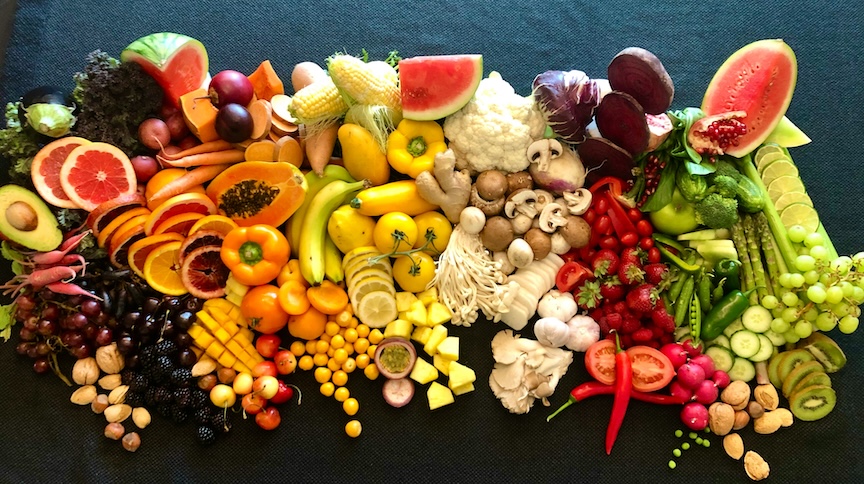
Researchers studying the gut microbiome have found that dietary diversity matters. Rather than eating the same vegetables every day, aim to enjoy a wide variety of plant foods over time. Different plants provide different fibers and natural compounds, helping support a more diverse microbial community.
So instead of asking, “Did I eat vegetables today?” try asking, “How many different plants have I eaten this week?”
It’s a surprisingly fun challenge.
Hack #2: Yesterday’s Rice Has a Secret
Leftovers don’t usually get much love.
Freshly cooked rice is comforting.
Yesterday’s rice?
Not quite as exciting.
But here’s something fascinating.
When foods such as rice, potatoes, oats, or pasta are cooked and then cooled, part of their starch changes structure. Scientists call this resistant starch because it resists digestion in the small intestine.
Instead of being rapidly broken down into glucose, resistant starch travels farther along the digestive tract, where it becomes food for beneficial gut bacteria.
In other words…
Yesterday’s rice isn’t exactly the same as today’s.
It behaves differently inside your body.
Researchers have also found that resistant starch may contribute to better blood sugar control after meals and support digestive health as part of an overall balanced diet.
Even better?
Much of this resistant starch remains even after the food is gently reheated.
The Joyful Hack
Instead of cooking rice every single day, prepare a larger batch once or twice a week.
Store it promtly and safely in the refrigerator, then reheat only the portion you’ll eat. Besides saving time, you’ll also be making use of a fascinating bit of food science.
It’s one of those rare moments when convenience and nutrition happily meet.
🍚 Did You Know?
Not all carbohydrates behave the same way.
The way a food is prepared, cooled, reheated, and eaten alongside other foods can influence how quickly your body digests it.
Hack #3: Your Smoothie Should Work Harder Than You Do
Smoothies have earned a healthy reputation.
But not all smoothies deserve it.
Some are little more than fruit juice poured into a blender, delicious, yes, but often lacking the protein and fiber that help keep us satisfied.
Have you ever noticed feeling hungry again an hour after drinking one?
There’s a reason.
Meals that contain a balance of protein, fiber, and healthy fats generally slow digestion and help people feel full for longer than meals made mostly of refined carbohydrates.
Think of your smoothie as a team.
Each ingredient should have a job.
Protein helps support muscle health and satiety.
Fiber supports digestion and feeds your gut microbes.
Healthy fats help with fullness and the absorption of certain vitamins.
The Joyful Formula
Forget complicated recipes.
Just remember 3-2-1.
Three parts:
One protein source ✔
(Greek yogurt, milk, soy milk, tofu)
Two colorful plants ✔
(Berries, spinach, mango, banana, cucumber)
One fiber boost ✔
(Chia seeds, oats, flaxseed)
Blend.
Drink.
Done.
Simple is often sustainable.
🥤 Did You Know?
Frozen fruits and vegetables are often picked at peak ripeness and frozen soon after harvest. This helps preserve many nutrients, making them an excellent option when fresh produce isn’t available—or when life gets busy.
READ: How Healthy Are You, Really? A Science-Based Guide
Hack #4: One Spoonful Can Feed an Entire Ecosystem
Here’s something remarkable to think about.
When you eat, you’re feeding an entire ecosystem living inside you.
Scientists estimate that trillions of microorganisms call our digestive tract home. Together, they make up the gut microbiome—a community so influential that researchers sometimes describe it as a forgotten organ because of the many ways it supports digestion, immunity, and overall health.
One way to support this internal community is by including fermented foods as part of a balanced eating pattern.
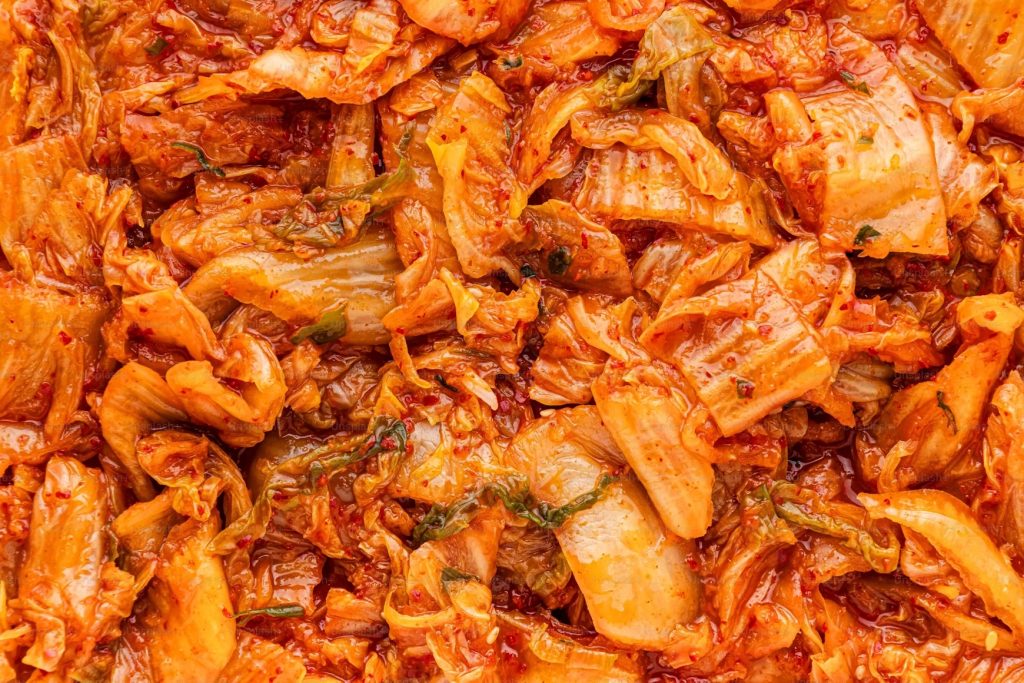
Foods such as plain yogurt with live cultures, kefir, kimchi, sauerkraut, tempeh, and other traditionally fermented foods naturally contain beneficial microorganisms or compounds produced during fermentation. While researchers are still learning exactly how different fermented foods affect the gut microbiome, many studies suggest they can contribute to microbial diversity and digestive health when included regularly in a healthy diet.
The important word is regularly.
You don’t need an entire bowl of kimchi.
You don’t need to make your own yogurt.
Sometimes, one spoonful is enough to begin a habit.
The Joyful Hack
Choose one fermented food you genuinely enjoy.
Keep it simple.
A spoonful of yogurt with breakfast.
A little kimchi beside grilled chicken.
A glass of kefir after lunch.
The goal is to introduce small, repeatable habits that fit naturally into your week.
🌱 Did You Know?
Not every fermented food still contains live cultures by the time you eat it. Some products are pasteurized after fermentation, which removes most living microorganisms. If you’re looking specifically for foods with live cultures, check the label for phrases such as “contains live and active cultures.”
Hack #5: Let Your Freezer Do Some of the Work
Many people believe healthy eating begins in the produce section.
Sometimes it begins in the freezer.
Fresh vegetables are wonderful.
But life doesn’t always cooperate.
Busy schedules, unexpected meetings, traffic, and tired evenings often lead to one unfortunate outcome:
The vegetables you bought with the best intentions quietly spoil in the refrigerator.
Frozen vegetables tell a different story.
Because they’re typically harvested at peak ripeness and frozen soon afterward, they retain much of their nutritional value. That means frozen broccoli, spinach, peas, mixed vegetables, berries, and other produce can be just as valuable as fresh options, especially when fresh produce isn’t practical.
Nutrition is about making the healthier choice the easier choice.
That’s where your freezer becomes an ally.
The Joyful Hack
This week, stock your freezer with three simple staples:
- Frozen mixed vegetables
- Frozen berries
- Frozen seafood or shelled edamame
Now add one pantry staple:
- Canned beans or lentils (preferably low-sodium or rinsed before use)
With those four ingredients, you’re never far from a nourishing meal.
Imagine coming home after a long day.
Ten minutes later:
Olive oil.
Garlic.
Frozen vegetables.
Beans or shrimp.
A squeeze of lemon.
Dinner is served.
No guilt.
No delivery app required.
❄️ Did You Know?
Research has found that frozen fruits and vegetables can contain nutrient levels comparable to fresh produce, and in some cases, even higher, because they’re frozen soon after harvest instead of spending several days in transport and storage.
Hard to believe, but sometimes, the healthiest vegetables are already waiting for you at home.
One More Thing We Learned This Week
If nutrition science has changed over the last decade, it’s this:
Researchers are spending less time asking,
“What’s the perfect diet?”
and more time asking,
“What eating pattern can people happily maintain for years?”
That’s encouraging.
Your gut microbes don’t eat vitamins—they thrive on fiber. Every colorful fruit, vegetable, bean, whole grain, herb, and nut helps nourish the invisible ecosystem that supports your health.
Because perfect eating doesn’t exist.
Sustainable eating does.
And sustainable habits almost always outperform short-lived diets.
The Joyful Wellness Way
Should we believe health begins with guilt?
We believe it begins with curiosity.
Every meal is an opportunity to learn something new about your body. The goal is to become just a little wiser than you were this Monday.
Perhaps that’s the real nutrition hack.
Discovering that small, thoughtful choices, repeated often enough, become the healthiest lifestyle of all.
🌿 This Week’s Tiny Shift
Don’t try all five hacks.
Choose just one.
Master it.
Then come back next Monday for another small shift toward a healthier, happier life.
Because at Joyful Wellness, we believe lasting wellness is built one joyful habit at a time.
Before one meal this week, eat a serving of plant-based fiber first. Then simply notice how you feel. Small observations often lead to lasting habits.
This week’s nutrition lesson is about feeding yourself—and your body—more wisely.
Sometimes the healthiest meal is simply the meal that’s thoughtfully put together. And the smallest experiment becomes the beginning of the biggest habit.
Next week, we’ll try to explore why fermented foods are attracting so much scientific attention, why your freezer may be one of the healthiest places in your kitchen, and how smart convenience can make healthy eating easier than ever.
The Science Behind This Story
At Joyful Wellness, we believe good health information should be grounded in credible science. This week’s Nutrition Hacks of the Week was informed by current evidence and guidance from the following organizations and peer-reviewed research.
Gut Health & the Human Microbiome
- World Health Organization (WHO). Healthy Diet.
https://www.who.int/news-room/fact-sheets/detail/healthy-diet - Harvard T.H. Chan School of Public Health. The Nutrition Source: Fiber.
https://nutritionsource.hsph.harvard.edu/carbohydrates/fiber/ - Harvard T.H. Chan School of Public Health. The Nutrition Source: The Microbiome.
https://nutritionsource.hsph.harvard.edu/microbiome/ - The American Gastroenterological Association (AGA). Resources on gut microbiome and digestive health.
https://gastro.org
Resistant Starch & Blood Sugar
- British Nutrition Foundation. Carbohydrates and Resistant Starch.
https://www.nutrition.org.uk - Birt DF, Boylston T, Hendrich S, et al. Resistant starch: Promise for improving human health. Advances in Nutrition. 2013;4(6):587–601.
- Harvard T.H. Chan School of Public Health. The Nutrition Source: Carbohydrates.
https://nutritionsource.hsph.harvard.edu/carbohydrates/
Fermented Foods
- Marco ML, Sanders ME, Gänzle M, et al. The International Scientific Association for Probiotics and Prebiotics (ISAPP) consensus statement on fermented foods. Nature Reviews Gastroenterology & Hepatology. 2021.
- International Scientific Association for Probiotics and Prebiotics (ISAPP).
https://isappscience.org
Protein, Satiety & Healthy Eating Patterns
- World Health Organization (WHO). Healthy Diet.
https://www.who.int/news-room/fact-sheets/detail/healthy-diet - Harvard T.H. Chan School of Public Health. The Nutrition Source.
https://nutritionsource.hsph.harvard.edu
Frozen Fruits & Vegetables
- Academy of Nutrition and Dietetics. Fresh, Frozen or Canned: Which Fruits and Vegetables Are Best?
https://www.eatright.org - U.S. Department of Agriculture (USDA). FoodData Central.
https://fdc.nal.usda.gov
Sustainable Healthy Eating
- American Heart Association. Life’s Essential 8™.
https://www.heart.org/en/healthy-living/healthy-lifestyle/lifes-essential-8 - World Health Organization (WHO). Healthy Diet.
https://www.who.int/news-room/fact-sheets/detail/healthy-diet
Editorial Note
The nutrition tips in this article are intended for general educational purposes and are based on current scientific evidence. Nutritional needs vary from person to person depending on age, medical conditions, allergies, medications, pregnancy, and other individual factors. If you have a chronic health condition or require a specialized diet, consult your physician or a registered dietitian before making significant dietary changes.
Photo by Jan Landau on Unsplash