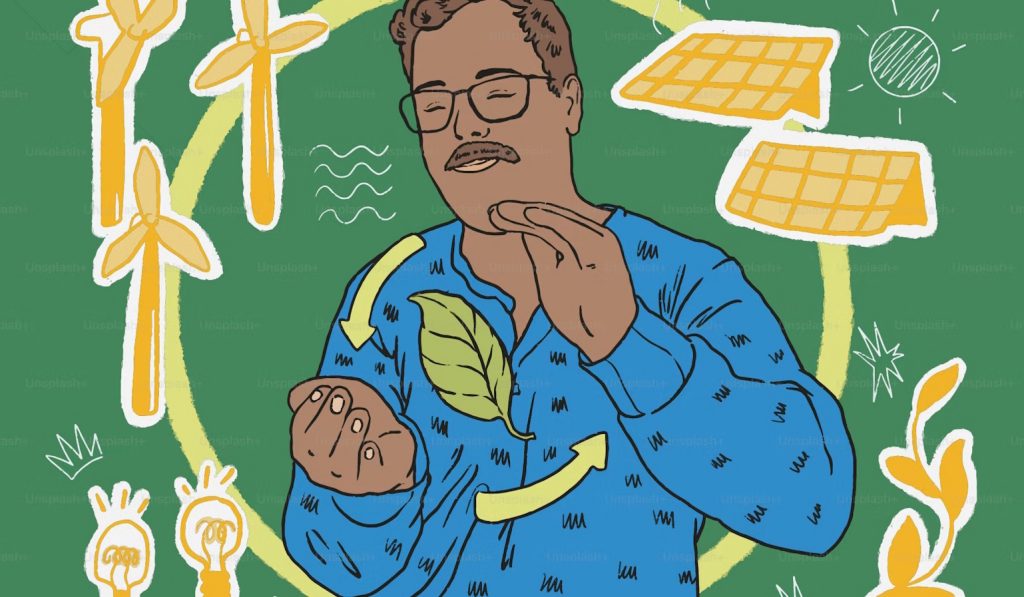


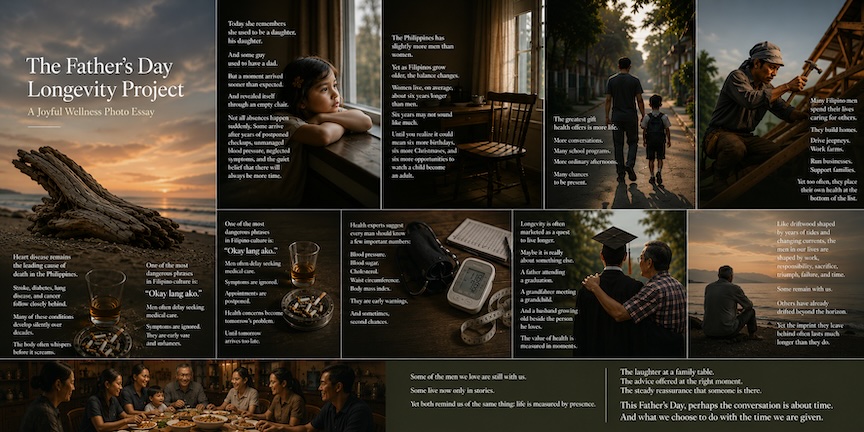
Why Filipino Men Die Younger and Why It Matters
Today she remembers she used to be a daughter, his daughter.

Photo by lauren lulu taylor on Unsplash
And some guy used to have a dad.
But a moment arrived sooner than expected.
And revealed itself through an empty chair.
Not all absences happen suddenly. Some arrive after years of postponed checkups, unmanaged blood pressure, neglected symptoms, and the quiet belief that there will always be more time.
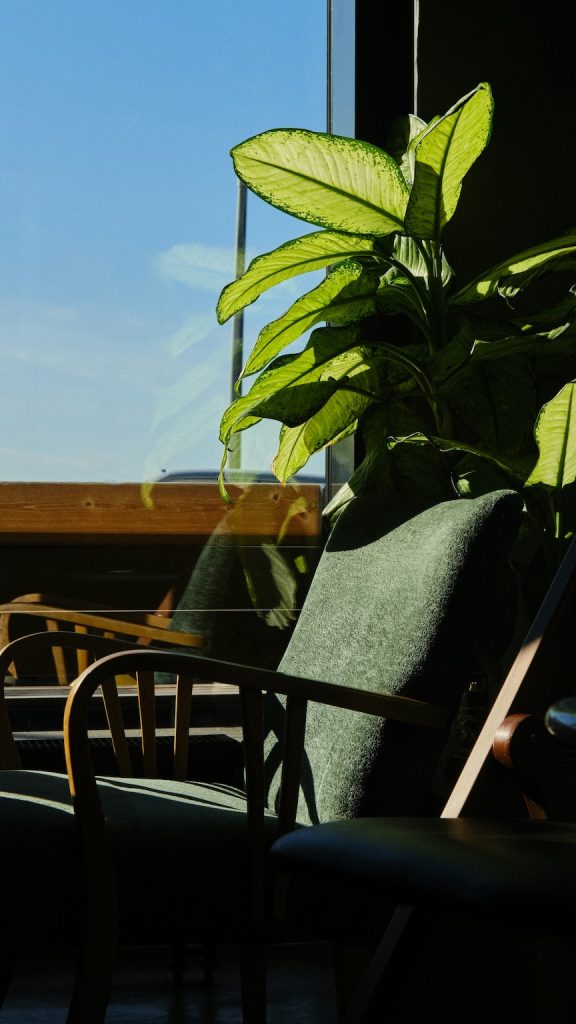
Photo by Vlad Chistyakov on Unsplash
The Philippines has slightly more men than women.
Yet as Filipinos grow older, the balance changes.
Women live, on average, about six years longer than men.
Six years may not sound like much.
Until you realize it could mean six more birthdays, six more Christmases, and six more opportunities to watch a child become an adult.

Photo by Kristyna Squared.one on Unsplash
The greatest gift health offers is more life.
More conversations.
Many school programs.
More ordinary afternoons.
Many chances to be present.
READ: Fewer Babies, Different Fathers?
Photo by Rafael Garcin on Unsplash
Many Filipino men spend their lives caring for others.
They build homes.
Drive jeepneys.
Work farms.
Run businesses.
Support families.
Yet too often, they place their own health at the bottom of the list.
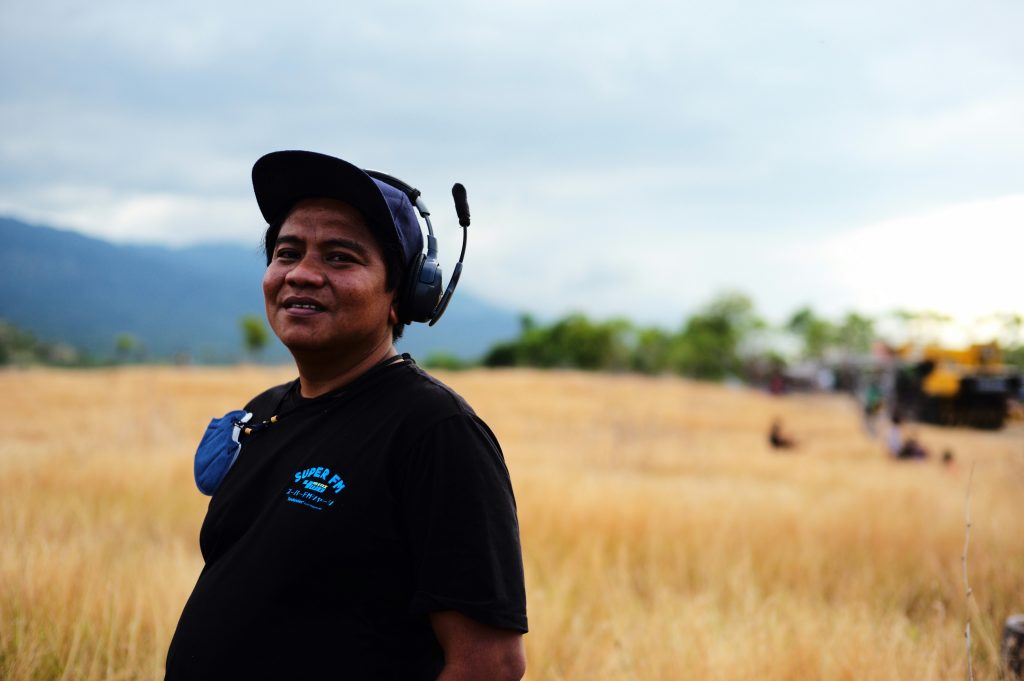
Photo by Rendy Novantino on Unsplash
Heart disease remains the leading cause of death in the Philippines.
Stroke, diabetes, lung disease, and cancer follow closely behind.
Many of these conditions develop silently over decades.
The body often whispers before it screams.
One of the most dangerous phrases in Filipino culture is:
“Okay lang ako.”
Men often delay seeking medical care.
Symptoms are ignored.
They postpone appointments.
Health concerns become tomorrow’s problem.
Until tomorrow arrives too late.

Photo by Aconitum on Unsplash
Health experts suggest every man should know a few important numbers:
Blood pressure. Blood sugar. Cholesterol. Waist circumference. Body mass index.
They are early warnings.
And sometimes, second chances.

Photo by CDC on Unsplash
Longevity is often marketed as a quest to live longer.
Maybe it is really about something else.
A father attending a graduation.
A grandfather meeting a grandchild.
And a husband growing old beside the person he loves.
The value of health is measured in moments.

getty-images-xBL4Kc-KU6Y-unsplash.jpg
Like driftwood shaped by years of tides and changing currents, the men in our lives are shaped by work, responsibility, sacrifice, triumph, failure, and time.
Some remain with us.
Others have already drifted beyond the horizon.
Yet the imprint they leave behind often lasts much longer than they do.

Photo by Howard Walsh on Unsplash
Some of the men we love are still with us.
Some live now only in stories.
Yet both remind us of the same thing: life is measured by presence.
The laughter at a family table.
The advice offered at the right moment.
The steady reassurance that someone is there.
This Father’s Day, perhaps the conversation is about time.
And what we choose to do with the time we are given.
References
Philippine Sources
Philippine Statistics Authority (PSA). (2024). Causes of Death in the Philippines.
Philippine Statistics Authority (PSA). (2023). Population and Housing Census Highlights.
Department of Health (DOH). (2024). National Objectives for Health and Noncommunicable Disease Prevention Programs.
PhilHealth. Konsulta Program and Primary Care Benefits.
International Sources
World Health Organization (WHO). (2024). Noncommunicable Diseases Fact Sheet.
United Nations Population Fund (UNFPA). Philippines Population and Development Indicators.
World Bank. Life Expectancy at Birth, Philippines.
Institute for Health Metrics and Evaluation (IHME). Global Burden of Disease Study.