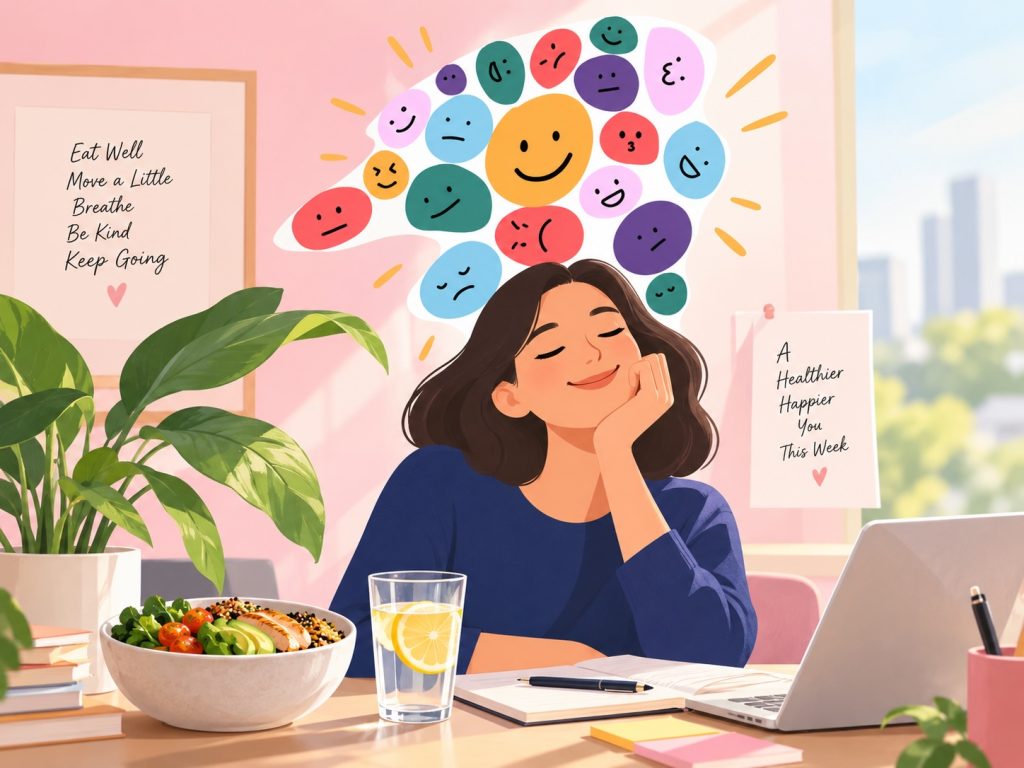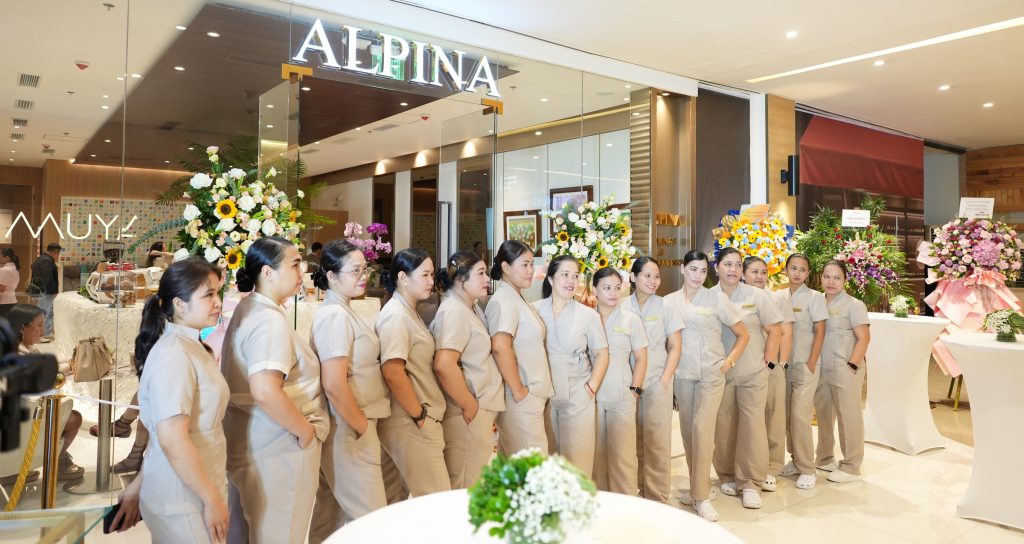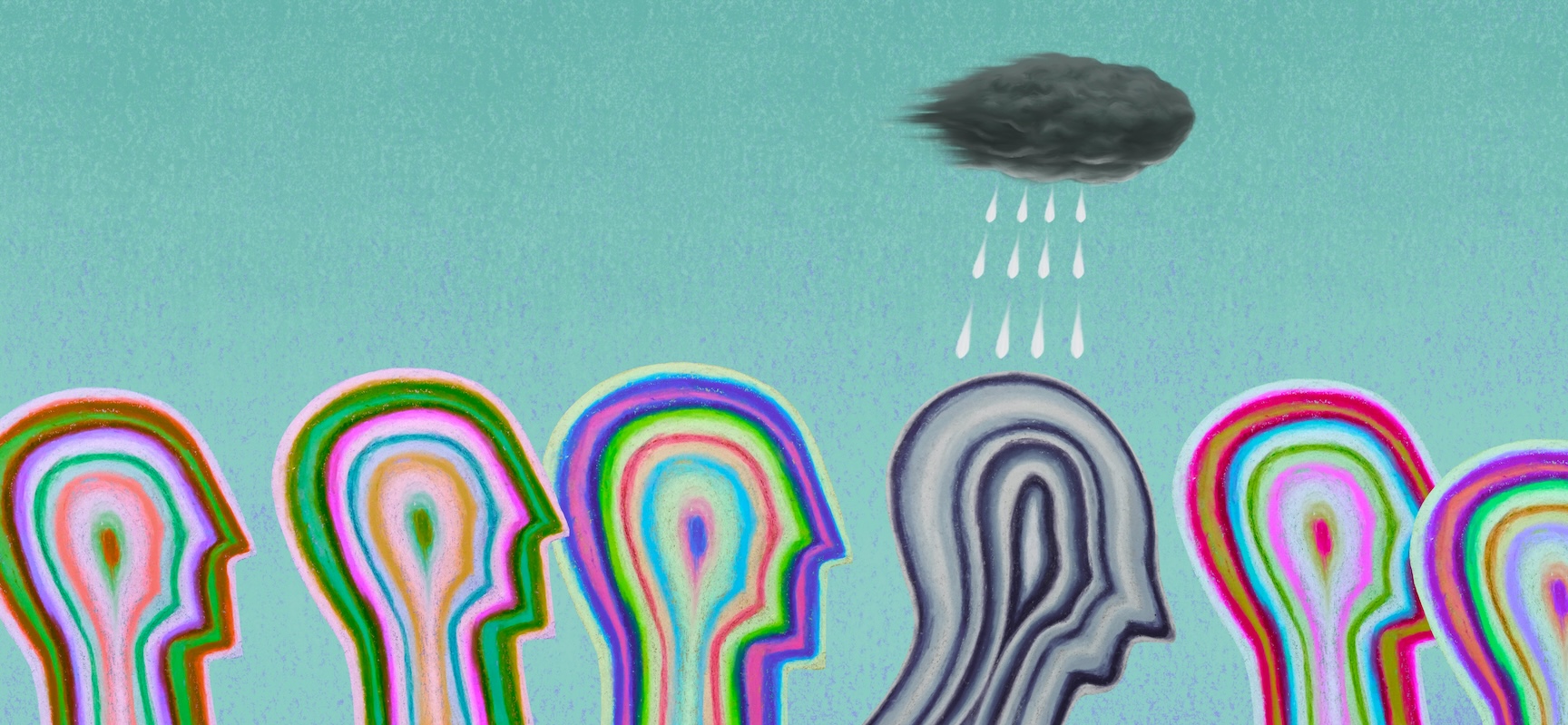
As stress, burnout, anxiety, and digital overwhelm rise, Metro Manila’s growing network of therapy clinics and wellness centers may be shaping a more human future for mental healthcare.
The populace now thrives in crowded trains and long commutes, in endless notifications, in unrelenting pressure. Young professionals say they are “fine” while sleeping badly for weeks. Mothers carry emotional loads nobody sees. People are not necessarily in crisis, but no longer feel fully okay either. There is no denying the kind of exhaustion that many of us recognize without always directly acknowledging it.
Mental health conversations abound and are no longer confined in hospitals or psychology classrooms. They are happening in cafés, workplaces, churches, group chats, TikTok comment sections, and increasingly, in wellness spaces designed to help people breathe again.
And perhaps that shift matters more than many people realize.
The future of mental healthcare now go beyond medicine or diagnosis and consider the kind of spaces society chooses to build for healing
Metro Manila’s growing map of mental health spaces
A recent feature by Tatler Asia highlighted 11 mental health clinics and wellness centers in Metro Manila, including therapy clinics, counseling hubs, psychiatric centers, and wellness-focused practices that are helping make psychological care more visible and accessible.
The list included names such as:
- We Thrive
- PsychConsult Inc.
- GrayMatters Psychological and Consultancy Inc.
- MindNation
- Ateneo Bulatao Center for Psychological Services
Some focus on therapy. Others provide psychiatric consultations, psychological assessment, workplace mental health programs, or online counseling.
Together, they reflect something larger happening in urban Filipino life: mental healthcare is slowly becoming more visible, more normalized, and less hidden behind shame.
That change matters because for decades, many Filipinos grew up in environments where emotional distress was minimized, spiritualized, mocked, or endured silently.
Today, more people are finally asking for help earlier.
What if mental healthcare felt as normal as dental care?
That may sound like a simple idea. In reality, it is deeply transformative.
Many Filipinos still associate mental health clinics with severe illness, breakdowns, or institutional care. Yet globally, modern mental healthcare increasingly includes:
- stress management
- grief counseling
- burnout recovery
- trauma-informed therapy
- adolescent mental health support
- sleep-related care
- anxiety management
- preventive emotional care
In other words, a person does not need to be “falling apart” before deserving support.
According to the World Health Organization, mental health is a state of well-being that allows people to cope with stress, realize abilities, work productively, and contribute to community life.
Meanwhile, WHO has repeatedly warned that depression, anxiety, burnout, loneliness, and chronic stress are rising globally, especially among young people.
The Philippines is seeing similar pressures.
Recent Joyful Wellness stories on digital stress, AI-related psychological fears, social media anxiety, and PMOS-related emotional strain resonated strongly with readers because many Filipinos are quietly experiencing these realities already.
And increasingly, people are searching not only for treatment, but also for spaces that feel safe enough to enter before things worsen.
Healing spaces are changing too
One of the most interesting shifts in modern wellness design is that healing is no longer being imagined only as something clinical.
Around the world, newer mental health facilities are beginning to incorporate:
- natural light
- greenery
- quiet architecture
- sensory-sensitive interiors
- walkable outdoor areas
- calming materials
- community spaces
- nature-based design
Researchers increasingly associate green environments with lower stress, improved mood, better cognitive function, and reduced anxiety.
A growing body of evidence from environmental psychology and urban wellness research suggests that physical surroundings influence emotional regulation more than many people assume.
The UP Center for Integrative and Development Studies (UP CIDS), in its 2025 policy brief on Wellness Urban Design, emphasized that healthier cities require more walkable neighborhoods, open spaces, greenery, accessible healthcare, and human-centered infrastructure.
The report argues that wellness should not only exist inside hospitals. It should be embedded into the environments where people live daily.
That idea feels especially important in Metro Manila, where many people live surrounded by congestion, noise, pollution, and overstimulation.
Sometimes what the nervous system needs first is quiet.
Light.
Air.
Trees.
Rest.
Safety.
Space.
The dream Filipinos may eventually demand
Perhaps the deeper aspiration desires more than simply clinics.
Perhaps it is a future where mental healthcare becomes:
- affordable
- community-based
- preventive
- environmentally thoughtful
- digitally accessible
- emotionally safe
- integrated into ordinary life
Imagine barangays with calming community wellness hubs.
Public schools with proper counseling centers.
Government hospitals with green mental health gardens.
Primary care clinics that screen blood pressure, but also burnout and anxiety.
Teletherapy platforms reaching remote provinces.
Public parks intentionally designed for emotional restoration.
The idea sounds ambitious now.
Yet many healthcare transformations once sounded unrealistic before becoming normal.
Access remains the hardest question
Despite progress, mental healthcare in the Philippines remains unevenly distributed.
Many Filipinos still face:
- high consultation costs
- long waiting periods
- transportation barriers
- stigma
- lack of nearby specialists
- limited insurance coverage
- fear of judgment
The National Center for Mental Health crisis hotline and expanding telepsychology services have improved access in recent years.
Meanwhile, digital mental health platforms are helping younger Filipinos seek support more privately and conveniently.
Still, experts continue emphasizing that mental healthcare should become accessible to everyone.
Because emotional suffering is possible in any income bracket.
And prevention becomes far more powerful when support arrives earlier, before crisis.
A different vision of wellness
The most hopeful part of this moment may be that Filipinos are beginning to reimagine what healthcare itself can look like.
Beyond emergency rooms and prescriptions.
In survival. In environments that help people regulate stress before it becomes illness.
They are spaces that support emotional resilience.
Communities that make seeking help feel ordinary rather than shameful.
Perhaps one day, future generations will grow up seeing therapy centers, wellness gardens, psychological clinics, movement studios, and quiet healing spaces as natural parts of every city.
They should stop being symbols of weakness or unaffordable luxuries.
Not hidden places people whisper about.
Just part of what a healthy society looks like.
And perhaps the real dream transcends better mental healthcare.
It is building a country where fewer people have to suffer silently before anyone notices they need help.
Editorial Note
Joyful Wellness shares mental health information to encourage awareness, understanding, and self-care. Our content is not a substitute for professional mental health support. If you or someone you know is experiencing emotional distress, seeking help from a licensed mental health professional or trusted healthcare provider is encouraged.
getty-images-8gNXhJcsbmU-unsplash.jpg
References
- Tatler Asia – 11 Mental Health Clinics and Centres in Metro Manila
- World Health Organization (WHO) — Mental Health Fact Sheets
- UP Center for Integrative and Development Studies (UP CIDS) — Urban Design Wellness: Crafting Place-Based Policy for Health and Wellness in Communities (2025)
- National Center for Mental Health (NCMH) Crisis Hotline
- MindNation Philippines
- PsychConsult Inc.
- We Thrive Wellbeing
- Ateneo Bulatao Center for Psychological Services