


On hot afternoons in Manila, few things feel more familiar than a cold cup of palamig from a roadside stall. Brightly colored drinks, crushed ice, and plastic cups have long been part of everyday Filipino street life, especially in crowded communities where refreshment must also remain affordable.
Now, one such ordinary scene has become part of a much larger public-health warning.
A recent University of the Philippines Manila study detecting antimicrobial-resistant bacteria in street beverages has renewed attention on food safety, sanitation, and the growing challenge of antimicrobial resistance in the Philippines. Health officials responded quickly with inspections, sanitation checks, and stronger community education efforts, a move public-health experts say is essential in preventing resistant infections from spreading further.
The findings matter because antimicrobial resistance is no longer a distant hospital problem. Increasingly, experts warn that it is entering everyday community life.
And sometimes, it arrives in something as ordinary as ice in a plastic cup.
The bacteria we are teaching to survive
Antimicrobial resistance happens when bacteria, viruses, fungi, or parasites evolve in ways that make medicines less effective against them.
According to the World Health Organization, AMR is now one of the top global public health threats facing humanity.
The WHO warns that infections once easily treated with antibiotics are becoming harder, more expensive, and sometimes impossible to cure.
This does not happen magically. Resistance develops partly because microbes adapt over time, but also because human behavior helps accelerate the process: overprescribed antibiotics, incomplete antibiotic courses, self-medication, unsafe food systems, poor sanitation, and environmental contamination all contribute.
In other words, antimicrobial resistance is not only about medicine. It is also about infrastructure, hygiene, urban density, regulation, and public habits.
What researchers found in Tondo
The UP Manila College of Public Health study examined beverage samples, ice, and vendors’ hands from selected palamig stalls in Tondo.
Researchers detected antimicrobial-resistant gram-negative bacteria, including strains carrying extended-spectrum beta-lactamase (ESBL) genes. ESBL-producing bacteria are especially concerning because they can resist many commonly used antibiotics.
The study did not claim that every street drink vendor is unsafe. Neither did it suggest panic.
What it did reveal, however, is something more important: antimicrobial resistance may already be circulating quietly within ordinary urban food environments.
That matters enormously in densely populated areas where sanitation systems, water quality, and food handling conditions may already be under pressure.
Why AMR feels different from ordinary food poisoning
Food contamination itself is hardly new.
What changes the equation is resistance.
A person who develops an ordinary bacterial infection may still respond well to standard antibiotics. But resistant bacteria can make infections more difficult and costly to treat, increase hospitalization risk, and worsen outcomes, especially for vulnerable individuals such as children, older adults, or people with weakened immune systems.
According to WHO estimates, antimicrobial resistance was directly responsible for 1.27 million deaths globally in 2019 and associated with nearly 5 million deaths overall.
Experts increasingly describe AMR as a “silent pandemic” because it grows gradually, often unnoticed, until treatments that once worked no longer do.
Manila’s response was unusually fast
One reason the Tondo findings gained attention was the speed of the local response.
According to UP Manila’s official statement, the Manila Health Department immediately launched re-inspections of the sampled stalls and intensified sanitary checks across districts.
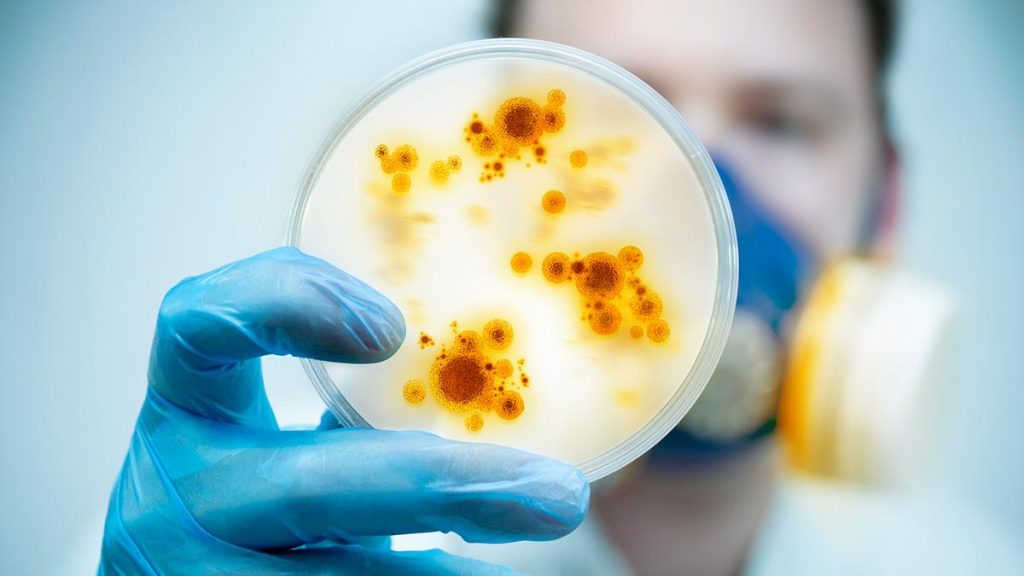
Authorities also moved to strengthen:
- water and ice sourcing requirements
- sanitary compliance checks
- food safety education
- grassroots AMR awareness programs
This matters because antimicrobial resistance cannot be solved only inside hospitals.
It also requires community-level prevention: safer food handling, cleaner water systems, sanitation enforcement, public education, and responsible antibiotic use.
In many ways, the response recognized a difficult truth: urban public health now depends heavily on what happens outside formal healthcare spaces.
Why crowded cities are more vulnerable
The findings of the study also expose a larger urban-health issue.
In dense communities, bacteria spread more easily through contaminated water, food preparation surfaces, shared environments, and poor waste management systems.
Climate change and extreme heat may further complicate the picture by increasing food spoilage risks and straining already pressured sanitation systems.
Meanwhile, in many low-income communities, affordable street food remains economically essential both for vendors and consumers.
That means the conversation cannot simply become “avoid street food.” The issue is broader than individual blame.
Public health experts increasingly argue that safer cities require stronger food systems, better sanitation infrastructure, cleaner water access, and consistent health education — especially in communities carrying heavier economic burdens.
Antibiotic misuse remains part of the problem
The Philippines has long struggled with inappropriate antibiotic use.
Studies published through the National Center for Biotechnology Information (NCBI) note that antimicrobial resistance in the Philippines is worsened by over-the-counter antibiotic access, incomplete treatment courses, self-medication, and gaps in infection prevention.
This creates a dangerous cycle.
The more antibiotics are misused, the more bacteria adapt. The more bacteria adapt, the harder infections become to treat. Eventually, even common illnesses can become serious threats again.
Consequently, AMR is forcing medicine backward at the same time technology pushes forward.
What ordinary people can actually do
The scale of AMR can feel overwhelming, but prevention still works.
Health authorities consistently recommend:
- washing hands regularly with soap and water
- choosing food vendors practicing safe hygiene
- drinking safe, clean water
- avoiding self-medication with antibiotics
- completing prescribed antibiotic courses fully
- seeking medical advice instead of sharing antibiotics with others
These actions sound simple because they are. Yet public-health history repeatedly shows that basic sanitation, hygiene, and responsible antibiotic use remain among the strongest defenses against infectious disease.
The bigger warning hiding inside the story
The palamig study is ultimately more than just about street drinks.
It is about the invisible systems shaping modern health.
A city’s drainage, water systems, food safety enforcement, healthcare access, antibiotic practices, and urban inequality all become part of the same microbial story.
And antimicrobial resistance may be one of the clearest reminders that health problems no longer stay neatly contained inside hospitals.
Sometimes they travel through neighborhoods quietly, through ordinary routines people barely notice.
We can do much to keep a cup of ice on a hot afternoon from becoming a public-health threat.
But the study now asks a larger question the country may increasingly need to confront: in rapidly growing cities, are public systems evolving quickly enough to protect everyday life from invisible risks that are becoming harder to treat?
About Joyful Wellness Health Content
At Joyful Wellness, we believe that better health begins with understanding.
Our articles are created to help readers make informed, thoughtful choices about their physical, mental, and emotional well-being. We curate and contextualize health information from reputable scientific journals, public health institutions, and trusted experts, translating complex topics into accessible and meaningful insights.
kateryna-hliznitsova-DquV5-8ulIE-unsplash (1).jpg
References
- UP Manila – Statement on Antimicrobial-Resistant Bacteria Study
- World Health Organization – Antimicrobial Resistance Fact Sheet
- National Center for Biotechnology Information – Antibiotic Resistance in the Philippines
- Murray CJL, et al. (2022). Global burden of bacterial antimicrobial resistance in 2019: a systematic analysis. The Lancet.