


If you’ve ever Googled PMOS or PCOS at 2 a.m. after noticing irregular periods, sudden breakouts, hair thinning, or unexplained weight changes, chances are you’ve also stumbled into a confusing world of myths, fear, and misinformation.
One minute, someone online tells you you’ll never get pregnant. The next, you’re being told to simply “lose weight” and everything will magically disappear.
Let’s clear things up.
Polyendocrine Metabolic Ovarian Syndrome (PMOS), used to be called Polycystic Ovary Syndrome (PCOS), is more common than many people realize. According to the World Health Organization, PMOS affects an estimated 6 to 13 percent of women of reproductive age worldwide and up to 70 percent of cases remain undiagnosed. In the Philippines, millions of Filipinas may be living with the condition.
READ MORE: Beyond the ovaries: Why PMOS is becoming a modern women’s health warning
And despite how common it is, many young women still feel ashamed, confused, or blamed for symptoms that are actually linked to hormones, metabolism, insulin resistance, and genetics.
Here’s the truth: PMOS is more complex than just “ovarian cysts.”
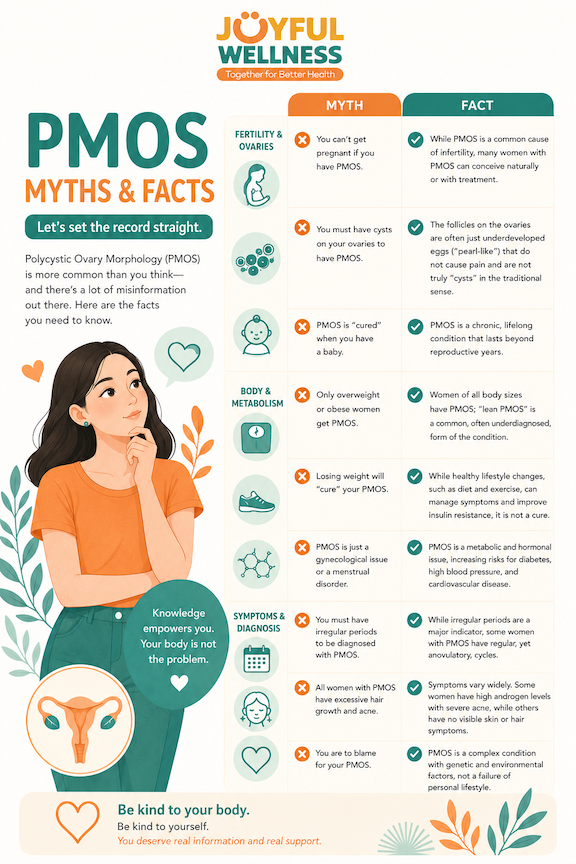
Medical experts explain that the tiny “cysts” often seen on ultrasounds are actually immature follicles or underdeveloped egg cells, not dangerous cysts in the traditional sense. Some women with PMOS do not even have visible cysts at all.
Another major myth? That only overweight women develop PMOS.
Not true.
“Lean PMOS” is very real and often underdiagnosed. Women of all body sizes can experience hormonal imbalances, irregular ovulation, acne, mood changes, fatigue, or fertility challenges linked to the condition.
Experts also stress that PMOS is not “cured” by pregnancy or by weight loss alone. While healthy habits like balanced nutrition, movement, proper sleep, and stress management can significantly help manage symptoms, PMOS is considered a lifelong hormonal and metabolic condition that requires ongoing care and awareness.
And perhaps one of the most important truths young women need to hear:
You are not to blame for your PMOS.
It is a complex condition influenced by genetics, hormones, insulin resistance, and environmental factors, not a personal failure or weakness.
According to Medical Specialist III Dr. Leedah Ranola-Nisperos of Dr. Jose Fabella Memorial Hospital, early diagnosis and proactive management are crucial because untreated PMOS may increase the risk of infertility, type 2 diabetes, cardiovascular disease, sleep apnea, anxiety, depression, and even endometrial cancer.
The good news? With proper support, medical guidance, and lifestyle adjustments, many women with PMOS go on to live healthy, fulfilling lives.
And honestly, maybe this generation’s real power lies in asking better questions, seeking credible information, and refusing to suffer silently.
Because awareness is health care too.
And every woman deserves answers rooted in science.
Editorial Note
Joyful Wellness provides general, science-informed health information to help readers make informed decisions about their well-being. Our content is intended for educational purposes and does not replace professional medical advice. For personal health concerns or symptoms, readers are encouraged to consult a licensed healthcare professional.
graphicook-studio-XXqKxBG0WjQ-unsplash.jpg
References:
World Health Organization (WHO) — Polycystic Ovary Syndrome (PCOS)
Endocrine Society — “PCOS Myths Debunked”
Illume Fertility — “A Doctor Debunks Common Myths About PCOS & Fertility”
Everyday Health — “12 Common PCOS Myths”
DOST-STII Seminar on PCOS Awareness featuring Dr. Leedah Ranola-Nisperos (2025)