

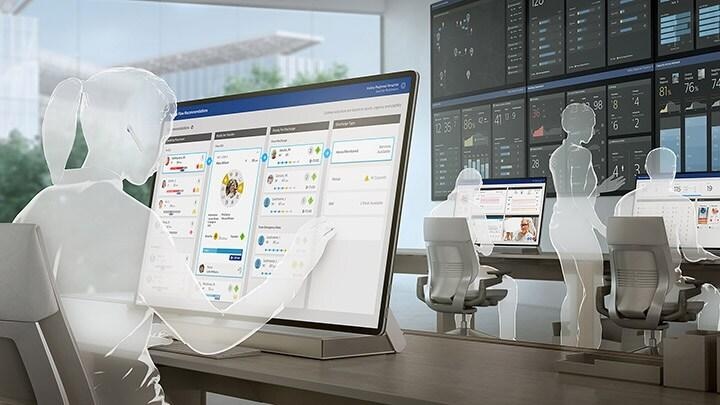
A stroke patient arrives unconscious at the emergency room. Within minutes, brain imaging appears on multiple screens at once. A specialist reviews the scan remotely. Laboratory results enter a digital chart instantly. Medication history appears before a family member even finishes explaining what happened.
Twenty years ago, much of that process could have taken hours.
Today, in some Philippine hospitals, it can happen in minutes.
Modern healing has quietly changed.
Not long ago, hospitals were mainly places people went when they were already sick. Now, increasingly, they are becoming technology-driven systems designed to predict illness earlier, diagnose faster, shorten recovery time, and in some cases, prevent emergencies before they happen.
The transformation is uneven and far from complete. Many Filipino hospitals still struggle with overcrowding, limited staffing, and outdated infrastructure. Yet behind those very real challenges, another story is unfolding quietly: medicine itself is becoming smarter, more connected, and more personalized.
And increasingly, patients are beginning to feel the difference.
DISCOVER: Hospitals of the Future: Innovation and Compassion Beyond Walls and Wards
The hospital file is disappearing
One of the biggest changes in modern hospitals is something patients may barely notice.
Paper records are slowly disappearing.
In many leading hospitals, doctors can now access laboratory results, imaging scans, prescriptions, admissions history, and previous consultations through integrated electronic medical record systems. That means fewer lost files, fewer repeated tests, and faster coordination between departments.
For patients with chronic illnesses like diabetes, hypertension, kidney disease, or cancer, this matters enormously because treatment no longer depends entirely on a physical folder surviving years of consultations.
Modern hospitals are increasingly built around continuity of care.
Machines now see what doctors once struggled to catch
Modern imaging has also transformed what hospitals can detect.
High-resolution MRI systems, advanced CT scanners, robotic-assisted surgery, and AI-supported diagnostics are helping doctors identify disease earlier and with greater precision than before.
Small tumors can now be detected sooner. Tiny blood vessel blockages can be seen before catastrophic strokes happen. Internal bleeding, heart disease, and neurological emergencies can often be identified in minutes rather than hours.
In practical terms, faster diagnosis means faster treatment — and often, better survival.
Recovery is becoming less brutal
Modern healing is about survival as it is also about recovery.
Minimally invasive surgeries now allow some patients to go home faster, with less pain and fewer complications. Robotic-assisted procedures can improve surgical precision. Digital monitoring systems help track patients more closely after operations.
Even hospital design itself is changing.
Globally, modern healing spaces increasingly prioritize natural light, quieter recovery areas, infection control, mental wellness, and patient-centered environments because research now shows healing is affected not only by medicine, but also by stress, sleep, noise, and emotional state.
In other words, hospitals are slowly evolving from purely clinical spaces into environments designed around recovery itself.
Some hospitals now reach patients before emergencies happen
Perhaps the most important shift is this:
modern healthcare increasingly tries to intervene earlier.
Telemedicine, remote monitoring apps, wearable health devices, and digital consultations allow doctors to track health problems before they become catastrophic.
A patient in a distant province may now consult a specialist virtually. Someone managing hypertension can monitor blood pressure digitally. A diabetic patient may receive reminders, laboratory monitoring, and follow-up care without constantly traveling long distances.
The future of hospitals may no longer depend only on buildings.
Increasingly, healthcare is becoming a network.
Modern healing in the Philippines still faces inequality
Yet modern medicine also reveals an uncomfortable truth: access remains unequal.
Some Filipinos experience world-class care. Others still wait long hours in overcrowded facilities with limited equipment and staffing shortages.
This is why healthcare modernization covers innovation and also access.
Technology matters most when it reaches ordinary people consistently, affordably, and early enough to prevent disease from worsening.
What today’s hospitals can actually do
Modern hospitals today can do remarkable things:
- diagnose strokes within minutes
- perform robotic surgeries through tiny incisions
- monitor patients remotely
- connect specialists digitally
- centralize medical records
- shorten recovery time
- detect disease earlier
- expand care beyond hospital walls
But perhaps the deeper question is not what hospitals can do technologically.
It is whether healthcare systems can make those advances accessible enough that modern healing becomes part of ordinary life, not only privileged life.
Because ultimately, the most advanced hospital has the newest machine and is the one that helps more people stay alive, recover well, and return home with dignity.