

Maybe the supplement we need most is not another pill, but a better relationship with food.
Are you one of those people who frequent the vitamin aisle?
Rows of little bottles promise stronger bones, brighter skin, sharper minds, better immunity, more energy. There are gummies for almost everything, capsules for mornings and powders for afternoons. Each one seems to whisper the same reassuring message: perhaps better health is only one more bottle away.
It is easy to understand the appeal. Life is busy. Meals are rushed. Sleep is imperfect. We don’t always eat as well as we intended. A multivitamin can feel like insurance, a small daily promise that, whatever happened at breakfast, we have done something good for our bodies.
But here is the less glamorous truth: there is no supplement that can replace a good diet.
Food First
A vitamin pill can deliver a nutrient. Food gives you a whole nutritional package.
An orange brings vitamin C along with fiber and other compounds. Beans provide protein, folate, fiber and minerals. Dark leafy vegetables provide folate, carotenoids and vitamin K. Fish can provide protein and vitamin B12, and some varieties provide omega-3 fatty acids.
Our bodies don’t experience nutrients in isolation. They experience meals.
That is why nutrition advice, for all its changing fashions, keeps returning to one wonderfully ordinary idea: eat a variety of foods.
The prefect plate is where good nutrition begins.
And Sometimes, a Bottle Is Exactly What You Need
Some people genuinely need supplements.
Folic acid is one example. The U.S. Centers for Disease Control and Prevention recommends 400 micrograms of folic acid daily for everyone who could become pregnant, because adequate folic acid before and during early pregnancy helps prevent serious birth defects of the brain and spine.
Vitamin B12 is another. People who eat little or no animal food may need fortified foods or supplements to obtain enough B12. Older adults may have difficulty absorbing the vitamin naturally bound to food, while some gastrointestinal conditions and surgeries can also interfere with absorption.
There are other circumstances in which supplementation may be appropriate, including diagnosed deficiencies and certain medical conditions or procedures that affect nutrient absorption.
In these situations, a supplement is an important tool.
More Isn’t Always Better
This is where the vitamin habit can become complicated.
We tend to think of vitamins as harmless because our bodies need them. But need and more are not the same thing.
Some nutrients can accumulate in the body. High doses of certain vitamins can cause harm, and supplements can interact with medications or add nutrients we are already getting from fortified foods and other products.
The NIH, for example, warns that excessive vitamin A can cause serious health problems, while smokers and former smokers should avoid high-dose beta-carotene supplements because they have been associated with an increased risk of lung cancer.
Even a familiar multivitamin deserves a second look if we are already taking several other supplements.
Take a moment to ask, “Do I actually need this?”
What About the Daily Multivitamin?
The little tablet that promises to cover all the bases is perhaps the most tempting of all.
For generally healthy, nonpregnant adults without known nutritional deficiencies, however, the evidence doesn’t establish that multivitamins prevent cardiovascular disease or cancer. The U.S. Preventive Services Task Force says the evidence is insufficient to determine whether multivitamins prevent these diseases and recommends against using beta-carotene or vitamin E specifically for that purpose.
That doesn’t mean a multivitamin is inherently bad.
It means we shouldn’t ask it to do a job the evidence hasn’t established.
A multivitamin may help fill a nutritional gap. It cannot turn an otherwise poor diet into a nourishing one. It cannot cancel chronic sleep deprivation, replace movement or substitute for medical care.
And it certainly cannot transform a skipped lunch into a healthy lifestyle.
READ: Do Collagen and Other Vitamin Supplements Actually Work?
We Have Made Wellness Too Complicated
Yes, there is something comforting about a pill.
It is measurable. Easy. Finished in seconds.
Eating a vegetable takes a little more effort. Cooking dinner takes time. Going for a walk requires us to put on shoes. Calling a friend requires us to make the call. Getting enough sleep may require us to stop doing things we would rather keep doing.
A supplement lets us feel that we have done something.
And maybe, we have.
But wellness should be about paying attention to what our bodies actually need.
Maybe it is the lunch we didn’t skip. The glass of water. The bowl of fruit. The beans we added to dinner. The strength workout. The early night. The doctor’s appointment when something doesn’t feel right.
And yes, sometimes, it is the vitamin recommended because our body genuinely needs it.
The Vitamin We’re Forgetting
Should we choose between food and supplements?
We simply need to know which job each one is supposed to do.
Food nourishes. Supplements can supplement. Medicine treats. And a healthcare professional can help us understand which one we need.
That may sound almost too simple in a world where every bottle has a promise printed on its label.
Nonetheless, significant.
The next time you find yourself reaching for another supplement, pause for a moment. What is it supposed to do? Do you actually need it? Are you already getting that nutrient somewhere else? Could it interact with something you’re taking?
If you’re pregnant, taking medication, managing a health condition, have had gastrointestinal or bariatric surgery, or are considering high-dose supplementation, it’s particularly worth discussing your needs with a doctor or registered dietitian.
Then return to the wonderfully ordinary business of eating.
A tomato.
An egg.
A handful of nuts.
A bowl of monggo.
Some leafy greens.
A piece of fruit.
A meal shared with people you love.
Truth be told, the vitamin we keep forgetting isn’t hiding in another bottle.
It is hiding in the food we already know how to eat.
Good health doesn’t always need another thing added to it.
Sometimes, it needs us to come back to the basics.
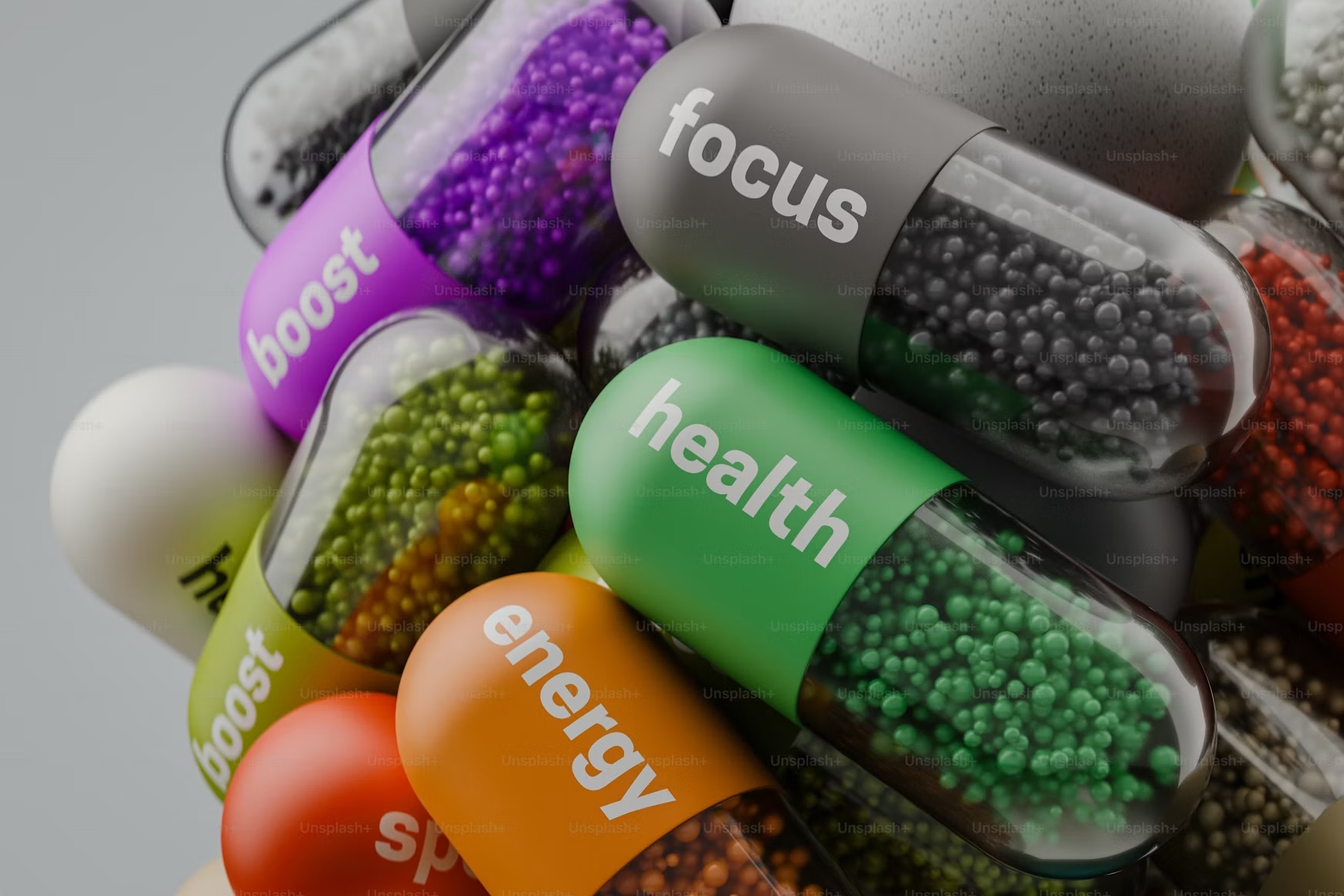
*Photo by Alex Shuper for Unsplash+
Editorial Note
Joyful Wellness provides general, science-informed health information to help readers make informed decisions about their well-being. Our content is intended for educational purposes and does not replace professional medical advice. For personal health concerns or symptoms, readers are encouraged to consult a licensed healthcare professional.
REFERENCES
- National Institutes of Health, Office of Dietary Supplements. Dietary Supplements: What You Need to Know. NIH.
- National Institutes of Health, Office of Dietary Supplements. Vitamin B12: Fact Sheet for Consumers. NIH.
- Centers for Disease Control and Prevention. About Folic Acid. CDC. Updated September 10, 2026.
- U.S. Preventive Services Task Force. Vitamin, Mineral, and Multivitamin Supplementation to Prevent Cardiovascular Disease and Cancer: Preventive Medication. 2022.
- National Institutes of Health, Office of Dietary Supplements. Multivitamin/mineral Supplements: Fact Sheet for Consumers. NIH.