Walk down the aisle of any upscale health food store, and you will find yourself surrounded by an array of exotic powders, imported berries, and highly stylized packaging. Modern marketing has wrapped wellness in a luxury aesthetic, implying that true health requires an extravagant budget. We are conditioned to believe that if a superfood doesn’t come from a remote mountain range or cost a premium price, it must not be truly effective at nourishing our bodies
One aisle promises longevity in a bottle of imported berry powder. Another showcases protein bars with ingredients longer than a restaurant menu. Social media fills our feeds with smoothies made from fruits we’ve never seen and supplements whose names sound more like laboratory experiments than food.
Somewhere along the way, good nutrition became synonymous with expensive nutrition. This elitist perspective often creates an unnecessary barrier to well-being. It forces many to look at nutrition through a lens of scarcity, assuming that eating organic, nutrient-dense produce is a luxury they simply cannot afford.
Yet ask any registered dietitian or public health nutritionist what forms the foundation of a healthy diet, and the answer is surprisingly ordinary: vegetables, fruits, legumes, whole grains, nuts, seeds, and minimally processed foods.
The healthiest grocery cart is the one filled with foods that consistently nourish the body, fit the family’s budget, and are realistic enough to become lifelong habits. You can flood your body with budget-friendly superfoods and vibrant organic produce, proving that living your healthiest, most abundant life makes complete financial sense.
That is encouraging news for Filipino households navigating rising food prices. Because when it comes to nutrition, some of the world’s most powerful “superfoods” have been growing in our own backyards all along.
Smart Shopping Strategies: Outsmarting the Grocery Aisles
Transforming your grocery routine into an act of financial and physical empowerment relies on a few core strategic shifts. Here is how to navigate the marketplace like a true nutritional strategist:
1. Embrace the “Clean Fifteen” and Prioritize the “Dirty Dozen”
You do not need to buy every single piece of produce with an organic label. To protect both your cellular health and your bank account, utilize the data compiled by environmental toxicologist groups:
- The Dirty Dozen: This list highlights the produce with the highest pesticide residues (such as strawberries, spinach, kale, and apples). Whenever possible, allocate your organic budget to these items to protect your body’s detoxification pathways.
- The Clean Fifteen: This list features produce with tough outer skins that naturally shield the inner flesh from chemical sprays (such as avocados, sweet corn, pineapples, onions, and papayas). Buying the conventional versions of these items is completely safe, allowing you to save money without compromising your health.
2. Unlock the Visual Power of the Frozen Aisle
One of the greatest hidden secrets of affordable nutrition sits right inside the freezer case. Fresh produce displayed in grocery stores is often harvested before it fully ripens, then shipped across thousands of miles, losing a significant percentage of its volatile vitamins (like Vitamin C and B-complex) along the journey.
In contrast, frozen fruits and vegetables are allowed to ripen naturally on the vine to peak nutrient density. They are then instantly flash-frozen right at the farm, locking their cellular chemistry in place. Buying frozen broccoli, berries, and spinach eliminates expensive food waste, provides year-round nutrition, and keeps your grocery totals incredibly low.
3. Shift Toward Hyper-Local Abundance
Imported health foods carry heavy shipping costs, carbon footprints, and middleman markups. Shifting your focus to local, regional produce is a beautiful way to practice sustainable wellness while saving money.
Instead of expensive imported kale, choose local greens like bok choy or sweet potato tops (talbos ng kamote), which are packed with vitamins and adapt to your body’s seasonal needs. Visiting local open-air farmers’ markets rather than commercial supermarkets connects you directly to the seasonal harvest, offering the freshest produce at its lowest seasonal price point.
READ: Generics on Your Plate: How Affordable Nutrition Mirrors Affordable Medicine
Your Budget Superfood Staples Matrix
Building an affordable, high-vitality kitchen relies on packing your cart with versatile, shelf-stable staples. Here are four affordable superfood champions to add to your grocery list this week:
                  THE ACCESSIBLE SUPERFOOD MATRIX
   FLAX & CHIA SEEDS            CRUCIFEROUS GREENS         SWEET POTATOES (KAMOTE)
   • Rich in Omega-3 fats• Cabbage, Broccoli, Bok Choy • Loaded with Beta-Carotene
   • Supports heart & gut   • Contains Sulforaphane    • Complex, steady carbs
   • Low-cost fiber source  • Detoxifies liver cells   • Supports eye & skin glow
- Flax and Chia Seeds: Skip the expensive omega-3 fish oil supplements. A bag of whole flaxseeds or chia seeds costs very little and provides an incredible source of alpha-linolenic acid (ALA), protective lignans, and digestive-loving soluble fiber.
- Cruciferous Vegetables (Cabbage & Bok Choy): Cabbage is one of the most affordable foods on earth, yet it contains sulforaphane—a powerful sulfur compound studied extensively for its ability to boost liver detoxification and calm systemic inflammation.
- Sweet Potatoes (Kamote): These vibrant root vegetables are an incredible, low-glycemic fuel source. They are packed with beta-carotene (which your body seamlessly converts into Vitamin A to support clear skin and sharp vision) and complex carbohydrates that keep your energy completely steady.
- Lentils and Mung Beans (Mongo): Ditch the expensive meat cuts a few nights a week. These tiny legumes are nutritional powerhouses, loaded with clean plant protein, iron, folate, and magnesium to support your muscle recovery and heart health.
Fueling Your Best Life with Intention
True abundance is about using your resources wisely to build a life of health, freedom, and joy. Choosing to shop smart and eat mindfully proves that excellent nutrition is accessible to everyone.
This week, step into the grocery store with a clear plan. Choose the frozen blueberries, grab the local greens, skip the premium packaging, and trust that you are feeding your cells the exact, high-quality fuel they need to thrive beautifully.
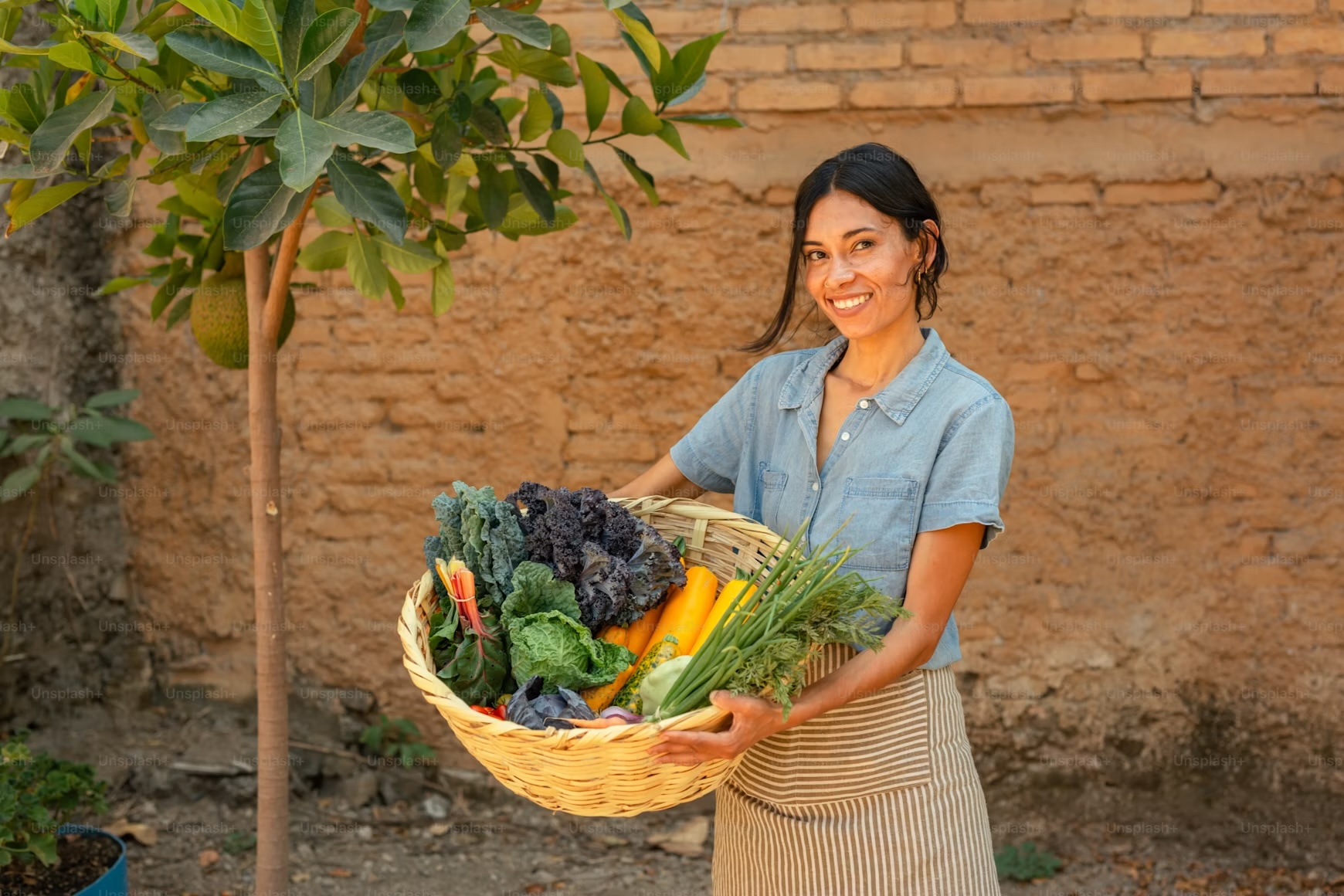
*Photo by Jordan González for Unsplash+
References
- Nutritional Consistency of Frozen vs. Fresh Produce: A study published in the Journal of Agricultural and Food Chemistry establishes that flash-frozen fruits and vegetables retain vitamin and antioxidant concentrations equal to—and occasionally higher than—fresh store-bought produce.
- Pesticide Residual Analysis and Dietary Impact: Clinical findings from the Environmental Health Perspectives journal confirm that strategically avoiding the “Dirty Dozen” while utilizing conventional “Clean Fifteen” items successfully minimizes toxic chemical intake without inflating grocery expenses.
- Sulforaphane and Phytochemical Cellular Protection: Research in Phytochemistry Reviews highlights how accessible cruciferous vegetables, like green cabbage, contain potent cancer-preventive and liver-detoxifying glucosinolates that compete directly with expensive health store powders.
- Socioeconomic Access to Nutrient-Dense Foods: A public health report shared by the World Health Organization (WHO) confirms that dietary diversity based on hyper-local, regional agricultural markets leads to better metabolic markers and lower systemic cardiovascular risks over a lifespan.