

Nowadays, content creation has become a source of income for many people. From carefully curated photos to personal milestones shared online, privacy can sometimes feel like a luxury. Yet influencers and content creators still have some control over what they share and how they manage their digital footprint.
Reality television, on the other hand, is a different story. Depending on the format, participants may live under strict rules, share their spaces, conversations and emotions with strangers, and remain aware that cameras are recording much of what they do.
The question, therefore, is how authentic people can be when they know they are being watched. How much control do they have over how those moments are presented to the public? And how do audiences interpret their actions without knowing the full context?
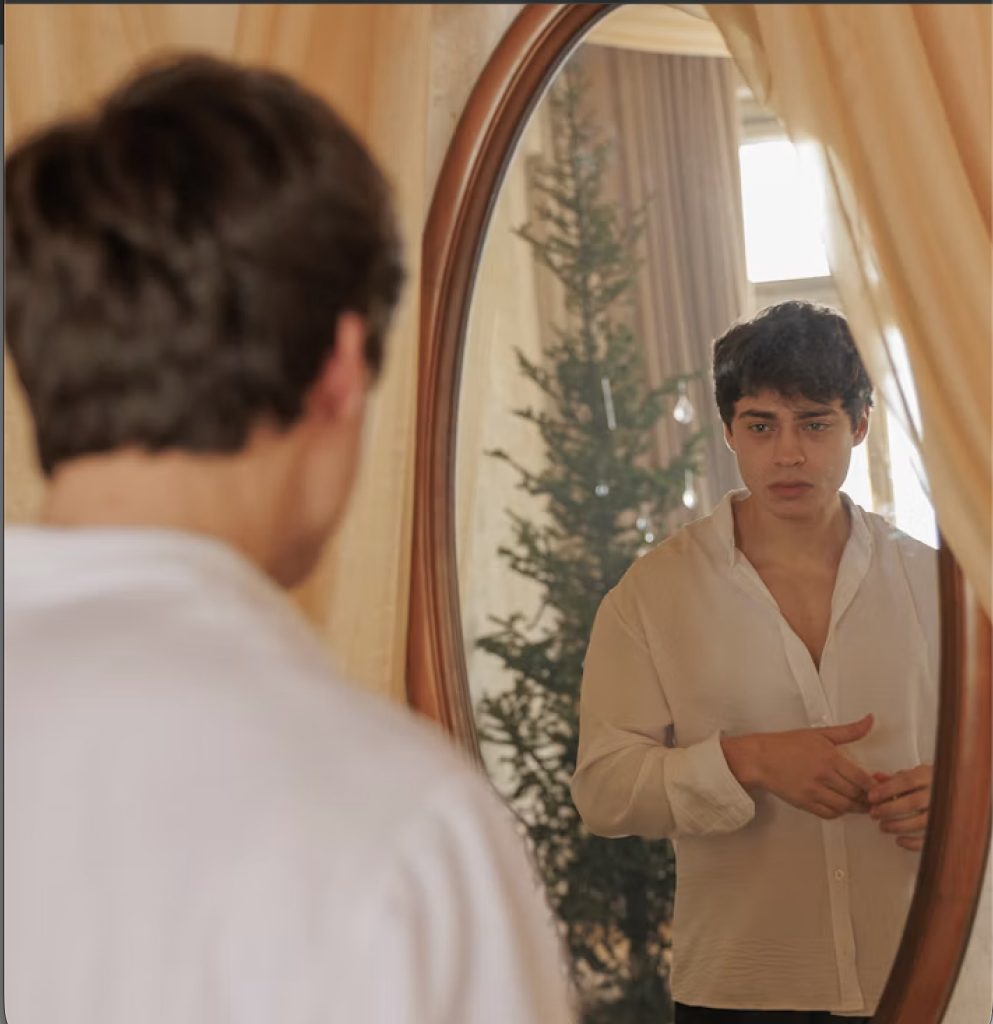
When we know we are being watched, how much of ourselves do we reveal? How much do we hold back? Can we truly be ourselves when we know someone is watching?
How real is reality television?
Reality television has become part of everyday entertainment. Dating competitions, talent searches, survival challenges and communal living programs invite audiences to observe “real people” in heightened situations.
Unlike scripted drama, these shows are marketed around spontaneity. Yet what viewers see is never simply life as it happened. It is a selection of moments shaped by filming, production and editing.
Every viewer interaction reflects more than a show’s popularity. It represents the scale of public attention directed at people whose conflicts, relationships, insecurities and private conversations become part of a shared spectacle.
What begins as a personal experience is transformed into something audiences can watch, discuss, interpret and judge. And attention can change how people behave.
Confined spaces and an unfamiliar environment
Human behaviour is shaped not only by personality but also by environment. Most of us move through familiar spaces: our homes, workplaces, schools, routines and relationships. These settings give us a sense of control, and reality television can take some of that away.
Depending on the program, participants may share a confined living space with strangers, with limited access to the internet, the outside world and the people closest to them. Even when their surroundings appear luxurious, the loss of privacy, familiar routines and personal control can be significant.
This may help explain why conflict can feel so intense. A shared home can magnify small differences, whether in how someone cleans, speaks, sleeps, handles stress or expresses frustration.
Disagreements over boundaries, habits and emotional needs can make sharing a living space difficult, even among people who otherwise get along. When individuals with different personalities and routines are placed in the same environment, everyday interactions can gradually become sources of tension.
In everyday life, we can usually step away. We can take a walk, visit a friend, close a door or simply go home. In a reality-show house, however, those opportunities may be limited. Repeated exposure to the same people can foster closeness, but it can also make disagreements harder to escape.
None of this means that participants are incapable of coping. Many adapt, form genuine friendships, discover confidence or even enjoy the experience. But it does suggest that behaviour in such an environment should not be treated as a complete portrait of someone’s character.
We are not only who we are. We are also shaped by the environments we occupy, the pressures we experience and the people we share them with.
24/7 surveillance
One established psychological concept is social facilitation, which describes how the presence of other people can affect performance. Being observed can help or hinder someone, depending on the task and the individual. Familiar or well-practised activities may become easier, while more difficult or unfamiliar tasks can become harder under observation.
Beyond performance, there is also the psychological weight of knowing that one might be watched at any given moment.
Philosopher Michel Foucault’s discussion of the Panopticon offers one way to understand this. Originally conceived as a prison design in which inmates could be observed without knowing exactly when they were being watched, the concept illustrates how the possibility of surveillance can encourage people to regulate their own behaviour. They do not necessarily need to see an observer to feel observed.
Reality television can create a similar tension. Participants may know that cameras are present, but they cannot always anticipate which moments will be aired, how conversations will be edited or how viewers will interpret their actions. The possibility of public judgment can influence how they behave, even before they know how their actions will be received.
This does not necessarily mean they become dishonest or insincere. They may simply become more conscious of how they present themselves. They might choose their words more carefully, soften their reactions or think twice before expressing an opinion.
The many versions of ourselves
Sociologist Erving Goffman described social interaction as a kind of performance, in which people manage the impressions they create and adjust how they present themselves depending on their audience.
We naturally behave differently depending on where we are and whom we are with. We may be more reserved at work, more playful with close friends, more careful around elders or more guarded when meeting someone new.
And we emphasize certain aspects of ourselves and hold back others, not necessarily because we are pretending, but because social interactions involve an awareness of how others might respond.
Reality television makes this process more visible, and authenticity can become more complicated. Being conscious of how others perceive us does not automatically make our emotions or actions less genuine. People can experience real feelings while also managing how much of those feelings they reveal.
Perhaps it is more helpful to see authenticity and self-presentation not as opposites, but as two things that can exist at the same time. We are complex individuals, constantly responding to the people and circumstances around us.
What the camera leaves out
Even when the emotions are genuine, viewers rarely see the complete picture. At the end of the day, reality television is still television.
Producers decide which scenes to include. Editing can compress days into minutes, leave out important context and influence how audiences understand a participant’s words or intentions. This does not necessarily mean that every program deliberately misrepresents its participants. Rather, it is a reminder that what appears on screen is a selection of events, not a complete account of someone’s life or personality.
The distinction becomes particularly important when personal struggles become part of the entertainment. Emotional breakdowns, family conflicts, romantic uncertainty, loneliness and insecurities can make compelling television. Yet these are also deeply personal experiences that deserve sensitivity and care.
Agreeing to appear on television does not mean someone is prepared for every possible interpretation of their actions or the consequences of becoming a public figure. Participants can consent to being filmed and still deserve compassion, privacy and the opportunity to be seen as more than their most difficult or controversial moments.
The person behind the screen
Perhaps what makes reality television relatable is that the behaviour it puts on display is not entirely unfamiliar to us.
We, too, adjust how we act when others are watching. We choose our words carefully, curate what we share online and sometimes wonder how others might interpret our actions.
Being conscious of how others see us does not necessarily make us less authentic. It reflects our desire to belong, be understood and be accepted.
For those watching, it is worth remembering that no person can be fully understood through a clip, a post or a single public moment. We are all more than what can be seen.
*Photo by Sam McGhee on Unsplash
References
1. Zajonc, R. B., & Sales, S. M. (1966). Social facilitation of dominant and subordinate responses. Journal of Experimental Social Psychology, 2(2), 160–168.
Read the study
2. Foucault, M. (1977). Discipline and Punish: The Birth of the Prison. Translated by Alan Sheridan. Pantheon Books.
Read the Panopticism chapter
3. Goffman, E. (1959). The Presentation of Self in Everyday Life. Doubleday.
View the bibliographic record