
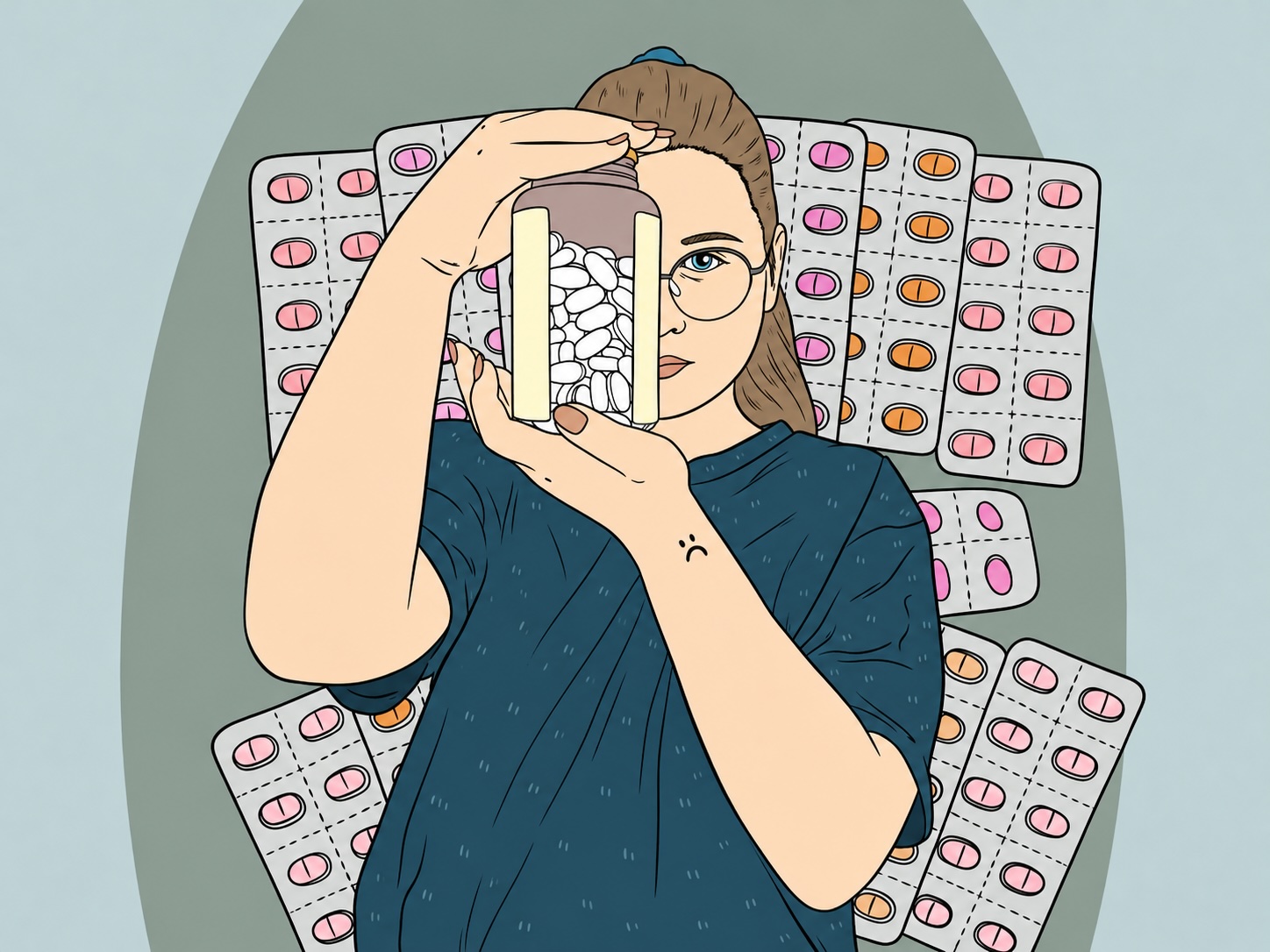
You have a cough that won’t quit. The clinic is far, the consultation fee is real, and the pharmacy is right there. Maybe you find leftover amoxicillin from your last illness at the back of a drawer, or someone offers you a few capsules. It feels like a reasonable shortcut, and for any single person on any single day, the harm may be invisible.
That invisibility is the problem. Multiplied across millions of decisions, unnecessary antibiotic use contributes to antimicrobial resistance (AMR), which the World Health Organization considers one of the world’s major public health threats. With World AMR Awareness Week observed every November 18 to 24, it is a good time to look at what this means for the Philippines.
What Antimicrobial Resistance Is, and How Big It Is
Antibiotics do not make people resistant. Bacteria become resistant. When bacteria are exposed to an antibiotic, susceptible ones may be killed, while those with resistance mechanisms can survive and multiply. Over time, infections that were once treatable can become harder to cure.
The global numbers are sobering. A major analysis published in The Lancet estimated that bacterial AMR directly caused 1.14 million deaths in 2021 and was associated with 4.71 million deaths. Under its reference forecast, bacterial AMR could directly cause more than 39 million deaths cumulatively between 2025 and 2050.
The WHO’s 2025 Global Antibiotic Resistance Surveillance Report, drawing on more than 23 million laboratory-confirmed cases reported by 104 countries in 2023, found that approximately one in six common bacterial infections included in its analysis was resistant to antibiotic treatment. These figures show why surveillance and responsible antibiotic use matter—not only in hospitals, but in communities as well.
The Philippine Picture
The Philippines monitors resistance through the Antimicrobial Resistance Surveillance Program (ARSP), led by the Research Institute for Tropical Medicine (RITM). Its 37th annual report covers 2024 and provides important information on resistance among bacterial infections in the country.
The report found that Escherichia coli resistance to two third-generation cephalosporins remained concerning: 38.5 percent for cefotaxime and 37.6 percent for ceftriaxone. These antibiotics are important in treating serious bacterial infections. The report also documented continuing resistance concerns involving Klebsiella pneumoniae and Acinetobacter baumannii, including organisms that can cause difficult-to-treat infections in healthcare settings.
A 2025 Philippine review likewise described substantial resistance among important gram-negative bacteria, including E. coli, K. pneumoniae and A. baumannii. However, resistance percentages vary depending on the organism, antibiotic, type of infection and surveillance method. They should not be treated as a single national rate or directly compared without considering those differences.
The government has set targets. The Philippine National Action Plan on Antimicrobial Resistance 2024–2028 aims to reduce selected resistant infections by 10 percent by 2028, including carbapenem-resistant Enterobacterales and carbapenem-resistant A. baumannii infections associated with healthcare.
“Over-the-Counter” Is a Misnomer: What the Law Says vs. What Happens
Here is a point the headline version of this story often misses: antibiotics that are classified as prescription medicines are not legally over-the-counter in the Philippines. Republic Act No. 10918, or the Philippine Pharmacy Act of 2016, regulates the dispensing of pharmaceutical products and requires prescription medicines to be dispensed through licensed pharmacists in accordance with the law. FDA rules also require prescription drugs to be dispensed only to patients with a written prescription from a licensed physician or dentist.
The gap is between the rule and what sometimes happens at the counter. A 2022 commentary by University of the Philippines Manila researchers in the Asian Pacific Journal of Tropical Medicine discussed continuing access to antibiotics without prescriptions, including the reuse of old prescriptions and weaknesses in enforcement.
How common is it? There is no reliable national prevalence estimate that can be inferred from one community study. But local research offers a glimpse of the problem.
A 2026 mixed-methods study of 384 adults in Rodriguez, Rizal, found that 68.23 percent had used antibiotics without a doctor’s prescription at least once. About one-third reported doing so within the preceding year. Respondents also reported obtaining antibiotics through pharmacies, sari-sari stores, leftover medicines and friends or relatives. These findings are specific to the study population and should not be generalized to all Filipinos.
A separate Philippine community study has also examined informal antibiotic distribution and sharing, underscoring why the issue extends beyond the pharmacy counter.
The problem is not limited to one source. It involves a web of informal access: pharmacies, small stores, medicine cabinets and a neighbor’s offer.
Why People Do It
It would be easy to blame carelessness. The research points to more structural reasons.
Cost and access. Limited access to physicians and the cost of medical consultations can make self-medication seem like the more affordable option. For a household weighing a consultation fee against a few capsules, the shortcut may feel like the only practical choice.
Familiar remedies. People may reach for an antibiotic that worked before, or one prescribed for similar symptoms in the past. Leftover medicines are sometimes shared with relatives, even though a previous prescription may not be appropriate for a different illness.
Misconceptions. Some people still treat antibiotics as a remedy for any cough, cold or fever. But colds and flu are caused by viruses, and antibiotics do not treat viral infections. Taking them unnecessarily exposes bacteria to the medicine without providing a benefit to the person taking it.
Why It’s a Bigger Problem Than It Looks
It’s cumulative and invisible. A systematic review of research worldwide has identified non-prescription antibiotic dispensing in community pharmacies as an important concern in the wider problem of antibiotic misuse. Unnecessary antibiotic exposure can select for resistant bacteria, which may then multiply and spread. A person taking an antibiotic will not necessarily know whether resistant bacteria have emerged or been carried.
It’s not just pharmacies. Antimicrobial use in animal health and agriculture also matters. A 2024 review of veterinary medicinal products in the Philippines described existing regulations alongside gaps in implementation and monitoring. Inappropriate use of veterinary antibiotics can contribute to resistance in animals, while resistant bacteria and resistance genes can move between animals, people and the environment.
This is why the Philippine National Action Plan takes a One Health approach, recognizing that human, animal and environmental health are connected. Responsible antimicrobial use must extend beyond hospitals and community pharmacies.
It can reach the hospital. Resistant bacteria circulate across community and healthcare settings. In hospitals, infections involving resistant organisms such as Klebsiella pneumoniae and Acinetobacter baumannii can be particularly difficult to treat, especially among vulnerable patients.
There is an important caveat: community self-medication is only one contributor to AMR. Hospital prescribing, infection prevention and control, antibiotic use in agriculture, sanitation and the overall volume of antimicrobial use also play roles. Surveillance data such as the ARSP report cannot tell us how much of a particular resistance rate is caused by non-prescription antibiotic use. It would therefore overstate the evidence to call self-medication the main cause. It is, however, a preventable contributor that deserves attention.
READ: Philippines Strengthens AMR Surveillance After Awareness Week
What Can Be Done
At the system level:
- Enforce the law already in place. Prescription requirements matter only when pharmacies and other medicine outlets are monitored and supported in following dispensing rules.
- Make the proper route easier than the shortcut. Affordable primary care, accessible consultations, telehealth and appropriate diagnostic testing can help people seek treatment instead of self-medicating.
- Reduce infections in the first place. Vaccination, clean water, sanitation and effective infection prevention in healthcare facilities reduce the number of infections that may require antibiotics.
- Close gaps in animal health. Responsible veterinary prescribing, better monitoring and enforcement of existing regulations are important parts of the national One Health response.
- Strengthen surveillance. The ARSP provides essential information on resistance patterns. Continued investment in laboratory capacity and monitoring across human, animal and environmental health will help guide policy.
At the personal level:
- Do not buy antibiotics without a prescription, and never use someone else’s medicine or leftover antibiotics. A drug that worked for one illness may be ineffective or harmful for another.
- Do not expect antibiotics for colds, flu or most viral infections. If symptoms persist or worsen, seek medical advice rather than self-treating.
- If antibiotics are prescribed, take them exactly as directed. Ask your healthcare professional about the appropriate duration and what to do with any unused medicine. Do not stop, extend or change treatment on your own.
- Ask your pharmacist. Pharmacists can help explain how a medicine should be used and when a medical consultation is needed.
- Stay up to date on vaccinations. Preventing infections also helps reduce the need for antibiotics.
Antibiotics are prescription medicines in the Philippines, but the gap between regulation and everyday practice remains a concern. Resistance threatens the treatment of common infections as well as serious hospital-acquired illnesses. Non-prescription use does not come from carelessness alone; cost, access and misconceptions can all push people toward the shortcut.
Addressing AMR means making appropriate care easier to reach, enforcing existing safeguards and using antibiotics responsibly. The evidence does not say that self-medication is the only cause of resistance, but it does show why it deserves attention. Every time an antibiotic is used only when it is needed and as prescribed, we help protect its usefulness for everyone.
*A note on this topic: this piece offers general health information and isn’t medical advice. If you have a fever, a persistent cough, or an infection that isn’t improving, see a doctor rather than self-treating with antibiotics.
*Photo from Unsplash
References
1. World Health Organization. (2025). Global Antibiotic Resistance Surveillance Report 2025. WHO report.
2. Murray et al. (2024). Global burden of bacterial antimicrobial resistance 1990–2021: A systematic analysis with forecasts to 2050. The Lancet. Read the study.
3. Research Institute for Tropical Medicine. (2025). 37th Antimicrobial Resistance Surveillance Program Annual Report: 2024. RITM report page.
4. Inter-Agency Committee on Antimicrobial Resistance. (2024). The Philippine National Action Plan on Antimicrobial Resistance 2024–2028: A One Health Approach. Download the national plan.
5. Republic Act No. 10918. Philippine Pharmacy Act of 2016. Read the law.
6. FDA Circular No. 2014-025. Guidelines on the Implementation of New Rules and Regulations on the Licensing of Drugstore/Pharmacy/Botica and Similar Outlets. Read the circular.
7. FDA Circular No. 2014-028. Guidelines on the Implementation of New Rules and Regulations on the Licensing of Retail Outlets for Non-Prescription Drugs. Read the circular.
8. Analysis on the Prevalence and Practices of Antibiotic Misuse among Adult Residents of Rodriguez, Rizal: An Explanatory Sequential Mixed Methods Study (2026). Read the full study.
9. Use of Veterinary Medicinal Products in the Philippines: Regulations, Impact, Challenges, and Recommendations (2024). Read the review.
10. Situational Analysis of Antimicrobial Resistance Policies and Program Implementation in the Philippines, 2019–2023 (2025). Read the study.