


The rise of wellness destinations and what they reveal about how we live now
Travel used to mean accumulation.
More cities.
Collections of itineraries.
Piles of evidence that we had been somewhere other than where we were.
The language of travel was built around movement, departure, arrival, return.
But in recent years, something different has begun to take hold.
People are still leaving.
But they are leaving for different reasons.
It ceased to be to see more,
and has become to feel less.
Less noise.
Less urgency.
And less of the steady, unrelenting pace that has come to define modern life.
And in response to this shift, a new kind of destination has emerged, subtly, but defined.
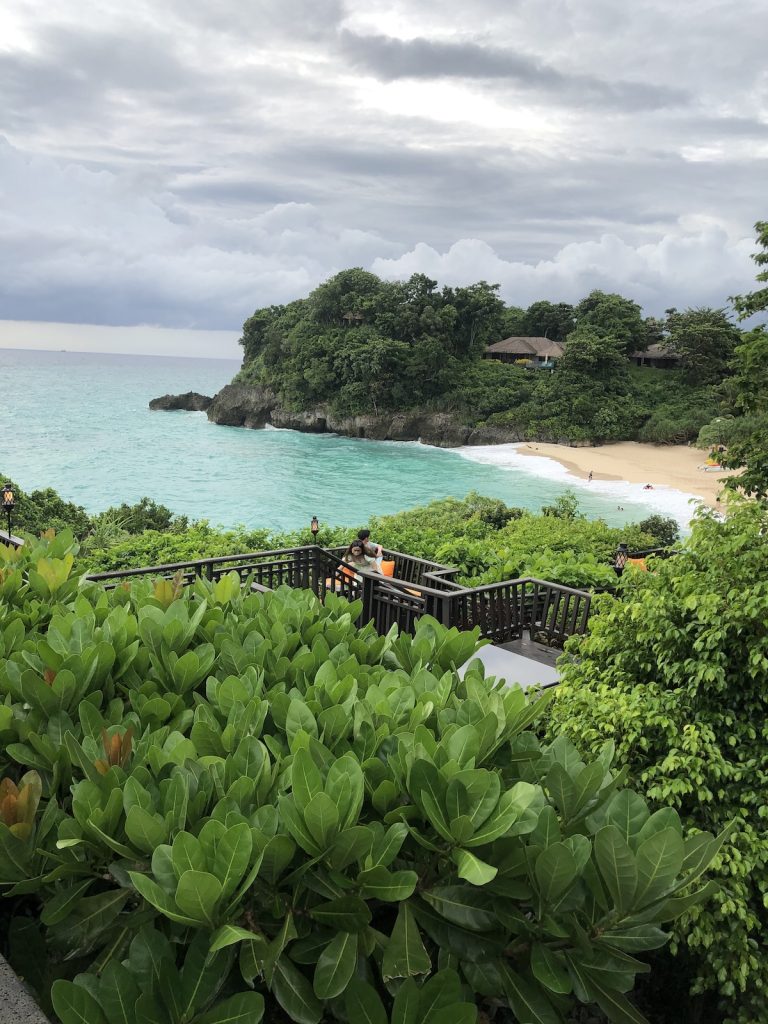
Places designed for restoration.
A Different Kind of Demand
Across the global wellness economy, a pattern is becoming difficult to ignore. The demand for wellness-oriented travel such as retreats, restorative environments, and nature-integrated spaces, has grown steadily, driven by a widespread recognition of fatigue.
This is more than simple physical tiredness.
It is cognitive overload.
Emotional saturation.
A sense, often unarticulated, that the systems we live within no longer allow for full recovery.
Research in environmental psychology has begun to provide language for this experience. In a widely cited study published in Proceedings of the National Academy of Sciences, Gregory N. Bratman and colleagues (2015) found that individuals who spent time in natural environments showed reduced rumination, a cognitive pattern strongly associated with anxiety and depression.
The implication is subtle, but significant:
Environment do more than merely influence mood.
It shapes the way we think.
DISCOVER: Luxury of Stillness: Why Rest, Slow Living, and Longevity Are the New Status Symbols
The Architecture of Recovery
Wellness destinations are often described in aesthetic terms like open spaces, filtered light, clean lines, quiet palettes.
But their deeper function lies in how they are structured to support recovery.
This includes:
- reduced sensory input
- access to natural environments
- intentional pacing of activities
- limitations on digital intrusion
These elements align closely with principles outlined in Attention Restoration Theory, developed by Rachel Kaplan and Stephen Kaplan. The theory proposes that exposure to certain environments, particularly those characterized by “soft fascination,” such as flowing water or natural landscapes allows the brain’s directed attention mechanisms to rest and replenish.
In practical terms, this means that environments designed for restoration allow the return of focus.
Why Rest Has Become Location-Dependent
In principle, rest should be accessible anywhere.
In practice, it is not.
Modern environments such as urban density, digital connectivity, and continuous accessibility have made it increasingly difficult to disengage fully. Even in moments intended for rest, individuals remain cognitively tethered to obligations.
Research published in Computers in Human Behavior (Elhai et al., 2017) has linked persistent digital engagement to heightened anxiety and reduced tolerance for inactivity. The constant presence of stimuli interrupts the brain’s ability to enter deeper states of rest.
This creates a paradox:
Rest is available,
but no longer attainable.
Wellness destinations respond to this by offering something increasingly rare:
A contained environment.
A place where rest is built into the structure of the space itself.
Luxury, Redefined
To understand the appeal of these destinations, it is necessary to reconsider the idea of luxury.
Traditionally, luxury has been associated with abundance, more space, more service, and more access.
In the context of wellness, however, luxury is shifting toward something more restrained.
It is the luxury of:
- uninterrupted time
- quiet environments
- limited demands
- intentional living
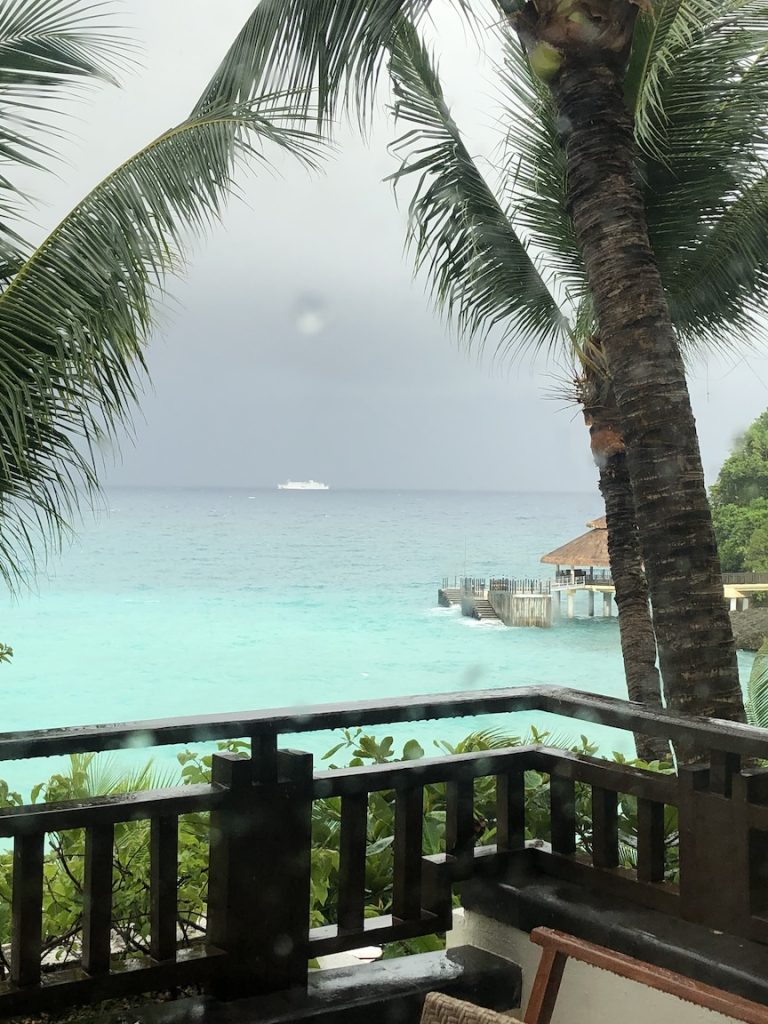
In this sense, luxury is no longer defined by what is added.
But by what is removed.
This reframing aligns with broader findings in health research. Chronic exposure to stressors—noise, time pressure, decision fatigue—contributes to elevated allostatic load, a concept introduced by Bruce S. McEwen (2007). Over time, this cumulative burden increases the risk of cardiovascular, metabolic, and psychological disorders.
Wellness destinations, in their most effective form, function as counter-environments and these are spaces that reduce, rather than add to, this load.
The Neurobiology of Being Away
There is also a cognitive dimension to travel that extends beyond rest.
Novel environments have been shown to enhance cognitive flexibility, the brain’s ability to shift perspectives and adapt to new information. Research in the Journal of Environmental Psychology (Ritter et al., 2012) suggests that exposure to new settings can improve creative thinking and problem-solving.
This may explain a familiar experience:
Clear understanding often arrives without trying to force it, instead it comes when we step away.
Distance alters perception.
And in doing so, it creates the conditions for insight.
The Social Silence We Are Beginning to Notice
Perhaps the most telling aspect of this shift has nothing to do with the rise of wellness destinations themselves, but what they reveal about everyday life.
That rest has become something people feel they must travel for.
That silence must be sought.
Stillness must be scheduled.
And presence must be practiced.
Some may find these inherently negative developments, but they are diagnostic.
They suggest that modern life, in its current form, does not consistently support the conditions required for sustained wellbeing.
And so, people look elsewhere.

A Note from Joyful Wellness
As we move deeper into conversations around presence, joy, and the environments that support them, we are beginning to understand that wellbeing is more than behavioral.
It is also environmental.
It is shaped by the spaces we move through, the rhythms we follow, and the degree to which we are allowed regularly, without resistance, to pause.
Wellness destinations, at their best, cease to be escapes.
They are reminders.
Of what the body feels like without the pressure of constant demand.
Of what the mind sounds like in the absence of crowded input.
The Joyful Wellness Take
The rise of wellness destinations goes beyond a trend in the traditional sense.
It is a response.
To fatigue.
To saturation.
And to a quiet recognition that something in our daily lives requires recalibration.
And so we go.
Near or far.
May be short or long.
But with the same underlying intention:
To find, even briefly,
a place where the mind can rest—
and remember how to begin again.
Photos by the author
References:
- Bratman, G.N. et al. (2015). PNAS — Nature Exposure and Mental Health
- Kaplan, R. & Kaplan, S. — Attention Restoration Theory
- McEwen, B.S. (2007). Physiological Reviews — Allostatic Load
- Elhai, J.D. et al. (2017). Computers in Human Behavior — Digital Stress
- Ritter, S.M. et al. (2012). Journal of Environmental Psychology