
A Filipino Guide to Authentic Self at 23
At 23, life can look perfectly fine from the outside.
You’ve earned your diploma, landed your first job, or begun checking off milestones you once imagined from a classroom desk. Friends congratulate you. Relatives ask what’s next. On paper, everything seems to be moving in the right direction.
Yet beneath those achievements, a quieter question often lingers.
Am I building the life I truly want—or the life I’m supposed to want?
For many young Filipinos, personal dreams often become intertwined with duty. Supporting loved ones is a deeply meaningful goal, but when every decision is shaped by expectation alone, it becomes harder to recognize what genuinely feels like your own.
So, maybe growing up isn’t about having everything figured out by 23, but about slowly learning the difference between a life that looks successful and one that feels true.
When Love and Obligation Pull in Different Directions
Filipino culture has long celebrated close family ties, gratitude, and collective responsibility. These values are among our greatest strengths, giving many young people a deep sense of belonging and purpose.
Yet they can also create a quiet tension during what psychologists call emerging adulthood—the period when young people begin asking who they are beyond the roles they have always fulfilled.
Research consistently identifies identity formation as one of the defining developmental tasks of this stage of life. Studies involving Filipino emerging adults suggest that parenting styles influence how confidently young people develop their sense of self. Environments characterized by high psychological control, where affection may sometimes feel tied to obedience or meeting expectations, have been associated with greater depressive symptoms and lower psychological well-being.
This does not mean Filipino families are the problem.
Rather, it reminds us that even loving families can unintentionally make it difficult for young adults to distinguish their own aspirations from the expectations placed upon them.
A 2024 study of Filipino emerging adults found that many feel pressured to reach traditional milestones before they feel emotionally ready: graduating on time, securing stable employment, becoming financially independent, or settling down. Psychologists often describe this period as a quarter-life crisis, not because life is falling apart, but because identity is still taking shape while responsibilities continue to grow.
As youth advocate Paul Richard Guimary observed in conversations with Filipino young people, many struggle not because they lack dreams, but because they no longer feel understood. When communication within families becomes difficult, young adults may begin questioning not only where they belong, but also who they are becoming.
The Quiet Pressure to Perform
The search for identity has become even more complicated in the age of social media.
Many young adults begin and end their days scrolling through carefully curated snapshots of other people’s lives—career promotions, travels, engagements, businesses, fitness transformations.
Over time, it becomes easy to mistake someone else’s highlight reel for the standard by which our own lives should be measured.
Research on Filipino youth suggests that social media is often used not only to stay connected, but also to seek recognition, acceptance, and belonging. The desire to present an ideal version of ourselves can gradually blur the line between authenticity and performance.
Fr. Joselito Licuanan, who works closely with young Filipinos through ministry and digital evangelization, has reflected on how quickly media images can shape identity. Surrounded by endless messages about success, beauty, and achievement, many young people begin trying to become versions of themselves that feel acceptable rather than authentic.
READ: How Wellness Really Looks—and Why It Makes You Beautiful
Yet there is reason for hope.
Recent studies suggest that many members of Generation Z increasingly value sincerity over perfection. Trustworthiness, honesty, and genuine connection matter more than polished images. Beneath the noise of algorithms, many young people are quietly growing tired of pretending.
Becoming Yourself Takes Practice
Many people imagine authenticity as a sudden realization—as though one day we simply wake up knowing exactly who we are.
Psychologists describe something different.
Identity develops gradually through exploration, reflection, and lived experience. We discover ourselves not only through introspection, but by trying, adjusting, making mistakes, and noticing what leaves us feeling most alive.
One of the healthiest ways to support this process is through self-compassion.
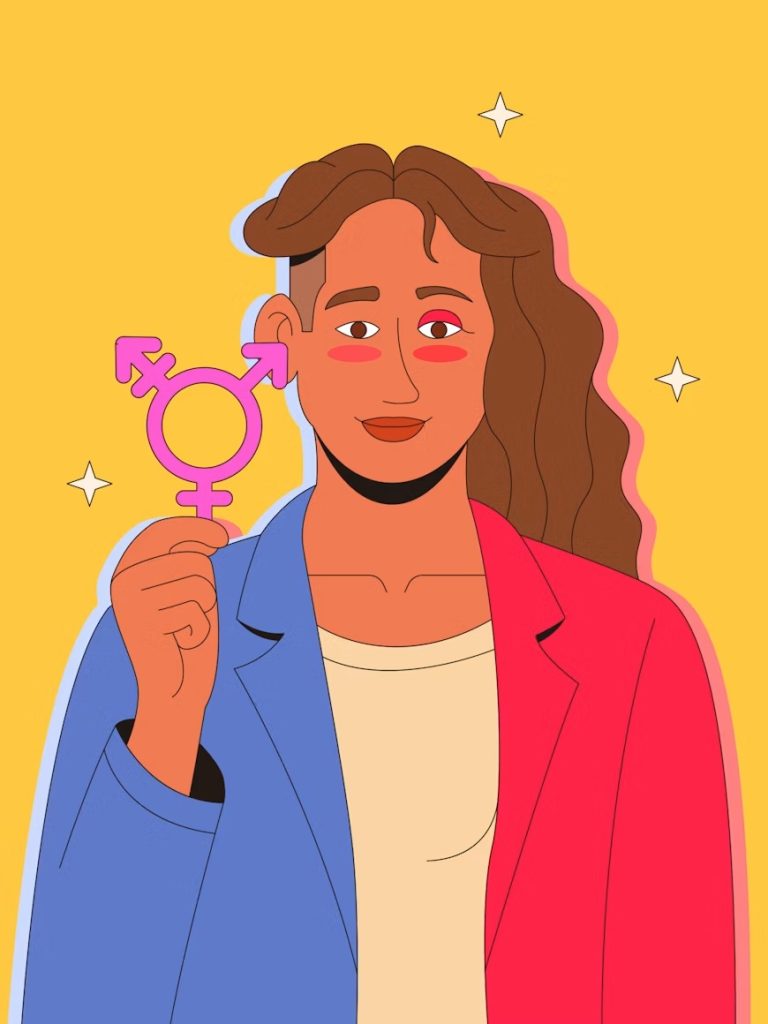
Authenticity begins when we find the courage to live as our truest selves. Every journey toward self-discovery deserves dignity, acceptance, and the freedom to shine. Photo by Bekeen.co for Unsplash+
Research among Filipino young adults has found that self-compassion is associated with greater psychological well-being, especially during periods of uncertainty. Rather than encouraging complacency, it helps people respond to setbacks without harsh self-judgment, making personal growth more sustainable.
Mindfulness offers another gentle path inward. Studies involving Filipino college students have shown that mindfulness-based practices may improve empathy, emotional regulation, and self-compassion. These practices are not about escaping life’s difficulties. Instead, they teach us to pause long enough to notice what we are feeling before automatically reacting.
That pause matters.
More often, authenticity is found in recognizing the small moments when we are acting out of fear instead of conviction.
Listening to Your Own Voice
Across studies exploring the experiences of Filipino emerging adults, one truth appears again and again.
Identity is rarely discovered in isolation.
It is shaped by family, friendships, culture, opportunities, disappointments, and the courage to keep asking difficult questions.
For many young breadwinners, balancing personal aspirations with financial responsibility creates emotional tension that often goes unseen. For many LGBTQIA+ Filipino youth, authenticity may involve navigating the additional challenges of acceptance, belonging, and cultural expectations.
Although these experiences differ, they share a common thread, the desire to live honestly while remaining connected to the people they love.
Maybe this is why authenticity can feel so difficult.
Choosing yourself does not always mean choosing against others.
More often, it means realizing that caring for your own well-being allows you to show up more fully for the people who matter most.
Gentle Ways to Come Home to Yourself
Authenticity grows through daily habits, self-reflection, and consistent actions. It is a slow path made of small, honest choices rather than a sudden event.
Instead of asking only, What do I want to achieve? try asking, What kind of person do I want to become? Goals may change throughout life, but values often remain steady.
Pay attention to what leaves you feeling quietly fulfilled rather than simply relieved that something is over. Those moments often reveal more about who you are than external achievements ever could.
Curate your digital spaces with intention. Follow people who encourage growth instead of comparison, and give yourself permission to step away when scrolling leaves you feeling diminished instead of inspired.
When you make mistakes, speak to yourself with the same kindness you would offer someone you deeply care about. Self-compassion is not lowering your standards; it is creating the emotional safety needed to keep growing.
And remember that uncertainty is often evidence that you are still becoming.
A Quiet Invitation
At 23, life is still unfolding.
Careers evolve. Decisions reveal their meaning over time. New chapters often begin where we least expect them.
What matters most is learning to recognize the moments when you feel most like yourself, the conversations where you no longer have to perform, the work that gives you quiet purpose, the relationships that let you exhale, and the dreams that make your heart feel lighter instead of heavier.
Finding yourself may be as simple as a series of small, honest choices made in a world full of competing voices.
That may be enough.
Your truth has never needed to compete for attention.
It simply has to be yours, shining.
*Photo by Tri wiranto for Unsplash+