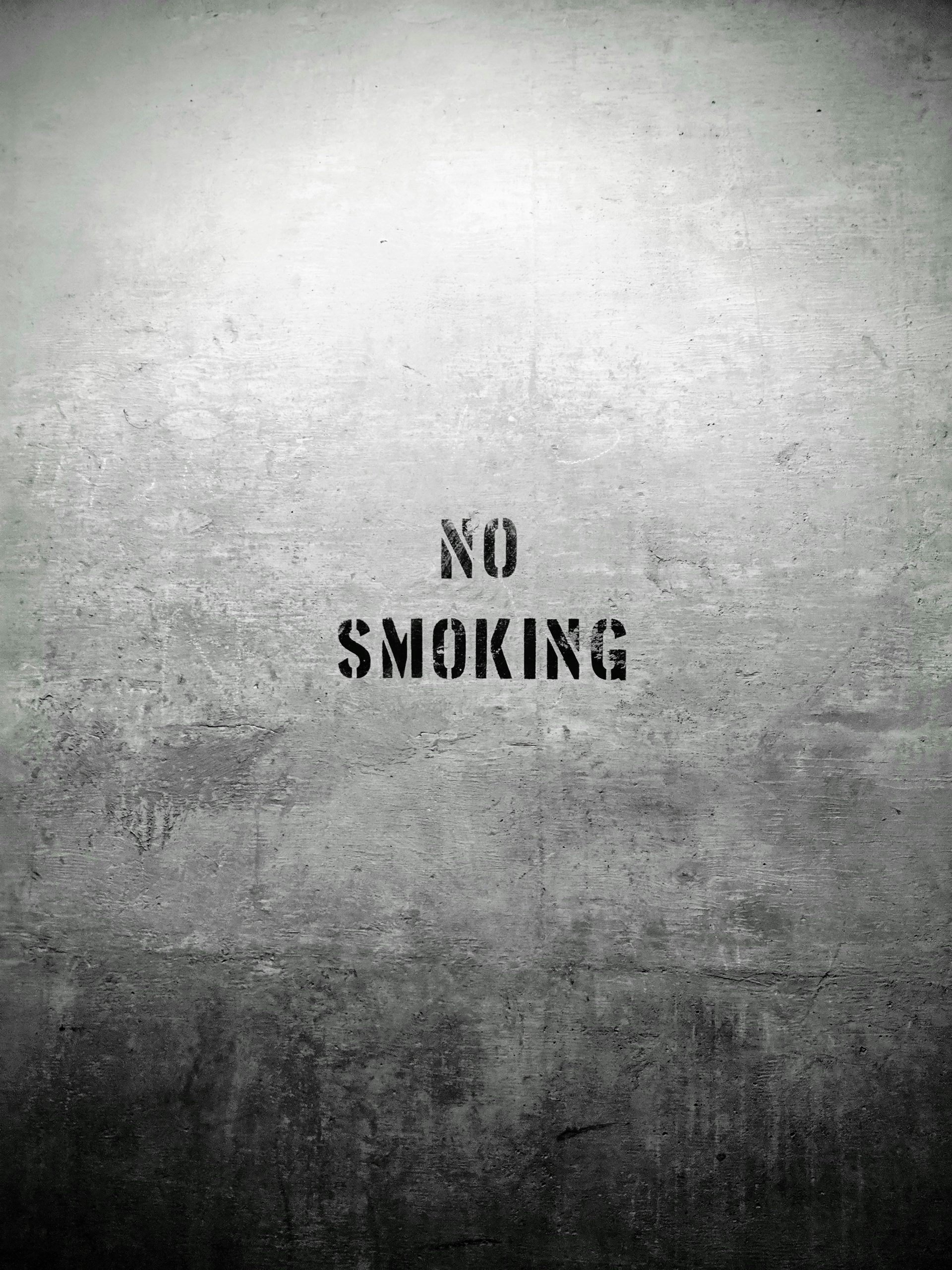
Smoking is a leading cause of preventable death worldwide.
It significantly increases your risk of numerous life-threatening diseases, including:
- Lung Cancer: The most common cause of cancer death among smokers.
- Heart Disease: Smoking damages blood vessels and increases the risk of heart attacks and strokes.
- Chronic Obstructive Pulmonary Disease (COPD): A group of lung diseases that block airflow to the lungs.
- Emphysema: A severe form of COPD that damages the air sacs in the lungs.
- Stroke: Smoking increases the risk of blood clots, leading to strokes.
- Type 2 Diabetes: Smoking makes it harder for your body to regulate blood sugar.
- Certain Cancers: Smoking increases the risk of various cancers, including throat, mouth, bladder, kidney, and pancreatic cancer.
Beyond these serious health risks, smoking impacts your quality of life. It can cause shortness of breath, coughing, wheezing, and a persistent bad smell.
Quitting smoking is an investment in a healthier, longer, and more fulfilling life.
How to Quit Smoking: A Step-by-Step Guide
Quitting smoking is challenging, but with the right support and strategies, it’s achievable. H
ere’s a step-by-step guide to help you get started:
1. Make the Decision: Commit to quitting. Write down your reasons for quitting and keep them visible as motivation.
2. Set a Quit Date: Choose a date and stick to it. This creates a concrete goal.
3. Develop a Quit Plan: Identify your triggers (stress, social situations, etc.) and develop coping mechanisms.
4. Seek Support: Talk to your doctor, family, friends, or join a support group. Consider nicotine replacement therapy (NRT) or other medications prescribed by your doctor.
5. Nicotine Replacement Therapy (NRT): Patches, gum, lozenges, inhalers, or nasal sprays can help manage nicotine withdrawal symptoms. Consult your doctor to determine the best option for you.
6. Lifestyle Changes: Exercise regularly, eat a healthy diet, and manage stress to reduce cravings and improve overall well-being.
7. Avoid Triggers: Identify and avoid situations or places that trigger your cravings.
8. Stay Positive: Expect setbacks and don’t give up. Celebrate your successes, no matter how small.
9. Consider Professional Help: Therapists and counselors specializing in addiction can provide personalized support and guidance.
Resources for Quitting Smoking: Get the Help You Need
Numerous resources are available to support your journey to quit smoking:
Embrace a Smoke-Free Future
National No Smoking Month and World No Tobacco Day are powerful reminders of the importance of quitting smoking. It’s a journey, not a race.
With determination, support, and the right resources, you can achieve a smoke-free life and significantly improve your health and well-being. Start your journey today.
DISCLAIMER
This article provides general information and does not constitute medical advice. Consult your healthcare provider for personalized recommendations. If symptoms persist, consult your doctor.
Photo by Omar Flores on Unsplash