
When illness starts making its way through a household, it is easy to look for something that promises quick protection. A bottle of vitamins, a “superfood,” an immunity drink or a supplement can all seem reassuring when the possibility of getting sick feels close.
However, there is no single food, drink, supplement or habit that can make us immune to disease overnight. Staying well means we must work on reducing risk as much as it involves finding one powerful solution.
That distinction matters in the Philippines, where health is shaped by individual choices and also by the conditions in which people live, including the weather, crowded public transportation, housing, working hours and access to healthcare.
Protecting our health begins with the everyday practices that give the body the support it needs: adequate sleep, recommended vaccinations, sensible precautions against infection, and timely medical care when symptoms persist or become concerning.
These ordinary actions form part of the quiet work of staying well.
Sleep Is Part of the Foundation
Sleep is often one of the first things to disappear when life becomes demanding. While we rest, the body carries out processes involved in recovery, metabolism, hormone regulation and immune function.
Adults aged 18 to 60 should generally get at least seven hours of sleep each night. Adequate sleep supports physical and emotional health, while consistently getting too little sleep is associated with a range of health problems. Research has also found associations between sleep and the immune response to vaccination. In one small study, people who slept after receiving a hepatitis A vaccine developed nearly twice the antibody response of those who remained awake that night. Other research has similarly found associations between shorter sleep and weaker antibody responses following influenza vaccination.
That does not mean one sleepless night will automatically make someone sick, nor does it mean that sleeping longer can prevent every infection. It simply adds to a larger understanding: the body needs adequate rest to carry out its work.
A more realistic goal is to protect sleep where possible. A consistent sleep schedule can help, as can reducing caffeine later in the day, limiting bright light and stimulating activities close to bedtime, and keeping the sleeping environment as dark, cool and quiet as circumstances allow.
And if exhaustion persists even after enough time in bed, it may be worth paying attention. Loud snoring, waking up gasping or regularly feeling unrefreshed can sometimes point to an underlying sleep problem that deserves medical attention.
Rest is part of caring for ourselves. It gives the body the time and space it needs to recover, restore, and keep going.
Let Sunlight Be Ordinary, Not a Cure
In a country where sunlight is part of everyday life, it can be tempting to assume that more sun must automatically mean better health.
Ultraviolet B exposure allows the skin to produce vitamin D, which is important for calcium absorption and bone health and also plays a role in normal immune function. However, excessive ultraviolet exposure can damage the skin and increase the risk of skin cancer. Living in a tropical country does not automatically guarantee adequate vitamin D, which can also be influenced by factors such as skin tone, age, diet, health conditions and how much skin is exposed to sunlight.
For this reason, sunlight should not be treated as an “immune booster,” nor should people deliberately seek prolonged exposure to harsh midday sun in the hope of preventing illness. Vitamin D can also come from food and, when appropriate, supplements without the risks associated with excessive UV exposure.
Instead, there is value in allowing some daylight and outdoor time to become part of an ordinary routine. A short walk during a cooler part of the day, sitting somewhere shaded or simply spending a few minutes outside can offer a change of environment and a chance to move.
Let sunlight become an ordinary part of a healthy relationship with the outdoors: a chance to step outside, enjoy the daylight, move a little and reconnect with the world around us, while protecting our skin from excessive UV exposure.
Food Does Not Need to Be Extraordinary
The immune system needs energy, protein, vitamins, minerals and other nutrients to function normally. A varied, balanced diet can provide these essentials through everyday foods; good nutrition does not depend on a single miracle ingredient or an expensive “superfood.”
For many Filipino households, nutritious choices can be familiar ones: fish, eggs, beans, vegetables, fruits, whole grains and calcium-rich foods. What matters is variety and adequacy, taking into account what is available, affordable and appropriate for the household. WHO likewise emphasizes adequacy, balance, moderation and diversity as the foundations of a healthy diet.
Regular meals and adequate hydration also matter, particularly in a country where heat and humidity can make everyday activities more physically demanding.
Supplements deserve the same measured approach.
Products marketed for “immunity” deserve the same thoughtful consideration as any health product. Some vitamins and minerals can cause adverse effects when taken in excessive amounts, while certain supplements can interact with medicines.
For someone who may have a nutritional deficiency, is pregnant, is older, has a chronic condition or takes regular medication, the better question is: “What does my body actually need?”
A healthcare professional can help answer that question.
Care Does Not Have to Be Perfect
A wellness advice can come with a particular pressure.
Once we are told that sleep, exercise, nutrition, hydration, sunlight, supplements, stress management and preventive care all matter, taking care of ourselves can begin to feel like another full-time responsibility. It does not have to be.
Our health unfolds through the larger rhythm of our lives. One late night, a rushed meal, or a missed workout can sit comfortably within that rhythm. What matters is the care we return to, day after day.
Health is shaped by patterns more than isolated moments.
Indeed, caring for ourselves looks like going to bed a little earlier. Sometimes it means eating a proper meal instead of putting off hunger until the end of the day. It can mean taking a short walk, checking whether our vaccinations are up to date, washing our hands, clearing stagnant water from around the house, or finally making the appointment we have been postponing.
And yes, staying well means recognizing what is outside our control.
Our circumstances shape the way wellness fits into our lives. Some people have more time to rest, easier access to healthcare, greater flexibility in choosing food, or working conditions that make healthy routines easier to maintain. Others have to work much harder to create that same space for themselves.
Wellness should make room for the realities people live with, offering support and practical choices rather than adding another source of blame.
Rest when we can. Nourish ourselves well. Get the protection that medicine can offer. Reduce the risks we can reasonably reduce. Pay attention when the body asks for help.
Staying well is about giving the body a better chance to do what it has been quietly doing all along.
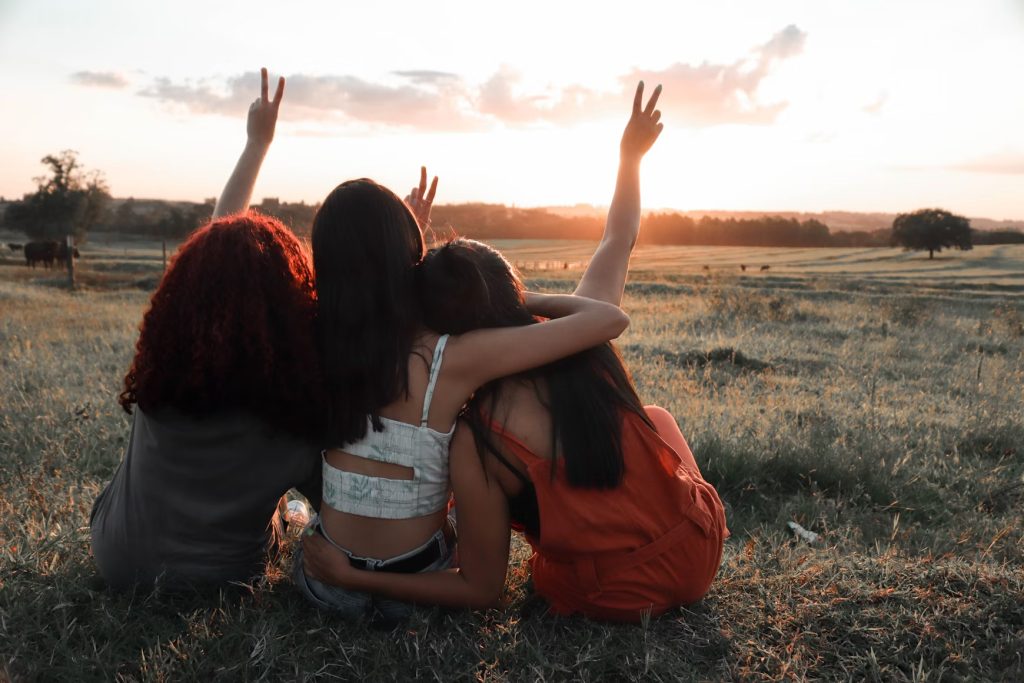
Photo by Ruliff Andrean for Unsplash+
References
Centers for Disease Control and Prevention. (2024). About sleep and sleep health. https://www.cdc.gov/sleep/about/index.html
Centers for Disease Control and Prevention. (2024). Preventing skin cancer. https://www.cdc.gov/skin-cancer/prevention/index.html
Centers for Disease Control and Prevention. (2024). Vitamin D. https://www.cdc.gov/nutrition/features/micronutrient-facts.html
World Health Organization. (2026). Healthy diet. https://www.who.int/news-room/fact-sheets/detail/healthy-diet
Spiegel, K., Sheridan, J. F., & Van Cauter, E. (2002). Effect of sleep deprivation on response to immunization. Journal of the American Medical Association, 288(12), 1471–1472. https://doi.org/10.1001/jama.288.12.1471