Understanding the disease, the risks, and the path forward
Tuberculosis is often spoken of as a disease from another time.
It belongs, many assume, to history books and old photographs, something that modern medicine has already resolved. Yet in 2026, tuberculosis (TB) remains one of the most persistent public health challenges in the Philippines and around the world.
Globally, TB continues to be the leading cause of death from a single infectious disease, with an estimated 10.7 million people falling ill and 1.23 million deaths recorded in recent years.
Closer to home, the situation is more urgent. The Philippines is consistently ranked among the countries with the highest TB burden, with hundreds of thousands of cases reported annually.
The numbers are sobering. But the story of tuberculosis spans about disease, its prevention, access, and awareness.
What Is Tuberculosis and How Does It Spread?
Tuberculosis is caused by a bacterium that primarily affects the lungs. It spreads through the air when an infected person coughs, sneezes, or even speaks.
This means transmission is more likely in crowded, poorly ventilated environments, a reality that makes urban populations particularly vulnerable.
One important distinction is that TB can exist in two forms:
- Latent TB – the bacteria are present but inactive; the person is not contagious
- Active TB – the disease is active, symptoms appear, and it can spread to others
Globally, it is estimated that about one-quarter of the population carries latent TB, though not all will develop the disease.
Why TB Remains a Concern in the Philippines
Tuberculosis is a medical issue that is closely tied to living conditions and access to care.
Research shows that TB is more common in settings where there is:
- overcrowding
- poor ventilation
- limited access to healthcare
- malnutrition
These conditions allow the disease to spread more easily and delay early diagnosis.
In recent years, the Philippine government has intensified its response. Under the national TB strategy, there is a target to screen up to 12 million Filipinos by 2026, reflecting a strong push toward early detection and treatment.
Signs and Symptoms Filipinos Should Not Ignore
Tuberculosis often develops gradually, which makes early recognition important.
Common symptoms include:
- persistent cough lasting more than two weeks
- chest pain
- coughing up blood
- unexplained weight loss
- fatigue and weakness
- fever and night sweats
Because these symptoms can resemble other conditions, many people delay seeking care.
That delay is costly not only for the individual, but also for the community.
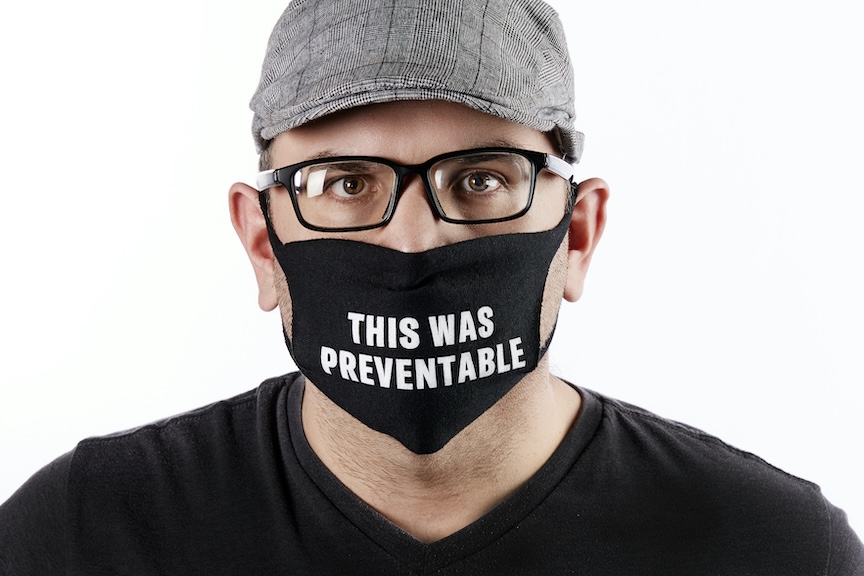
The Good News: TB Is Preventable and Curable
Despite its impact, tuberculosis is both preventable and treatable.
Treatment typically involves a combination of antibiotics taken over several months. When followed correctly, the cure rate is high.
However, incomplete or irregular treatment can lead to drug-resistant TB, which is more difficult and expensive to manage.
This is why early diagnosis and adherence to treatment are essential.
New Tools and Innovations in 2026
One of the most promising developments in TB control is the use of modern diagnostic technologies.
In the Philippines, portable X-ray machines and AI-assisted screening tools are now being deployed in communities, making it easier to detect TB early, especially in underserved areas.
Rapid molecular tests can also identify TB and detect drug resistance within hours, improving the speed and accuracy of diagnosis.
These innovations bring care closer to communities, reducing delays that once defined TB treatment.
DISCOVER: DOH deploys suitcase labs, speeds up TB detection
What Filipinos Can Do Today
While national programs and technology play a role, individual awareness remains critical.
1. Get screened if at risk
Screening is especially important for:
- those living with someone diagnosed with TB
- individuals with persistent cough
- people with weakened immune systems
2. Seek care early
Do not wait for symptoms to worsen. Early consultation reduces both complications and costs.
3. Complete treatment
If diagnosed, follow the full course of medication, even if symptoms improve.
4. Improve living conditions
Simple changes such as better ventilation and sunlight exposure can reduce transmission risk.
5. Support community awareness
Reducing stigma encourages more people to seek help early.
A Public Health Issue and a Shared Responsibility
Tuberculosis continues to challenge health systems because it intersects with broader issues like poverty, access, education, and awareness.
Efforts to eliminate TB require more than medicine. They require:
- sustained public health programs
- community engagement
- accessible healthcare services
The Philippines has taken meaningful steps forward. The expansion of screening programs, increased funding, and community-based approaches all point toward progress.
Yet the success of these efforts ultimately depends on one thing:
Participation.
The Takeaway
Tuberculosis in 2026 is no longer a mystery.
We know how it spreads.
There is awareness on how to detect it.
We know how to treat it.
What remains is the collective decision to act early, consistently, and without hesitation.
Because the most effective way to fight TB aside from within hospitals alone, would be in homes, communities, and everyday awareness.¿
And in that sense, the future of tuberculosis control becomes human.
Photo by Patrick Fore on Unsplash
References:
World Health Organization. Tuberculosis Fact Sheet.
WHO Philippines & DOH. National TB Screening Target 2026.
Department of Health Philippines. National Tuberculosis Control Program.
World Bank. TB Incidence in the Philippines.
DevelopmentAid / DOH Reports. TB Burden in the Philippines.
WHO Global Tuberculosis Data.