


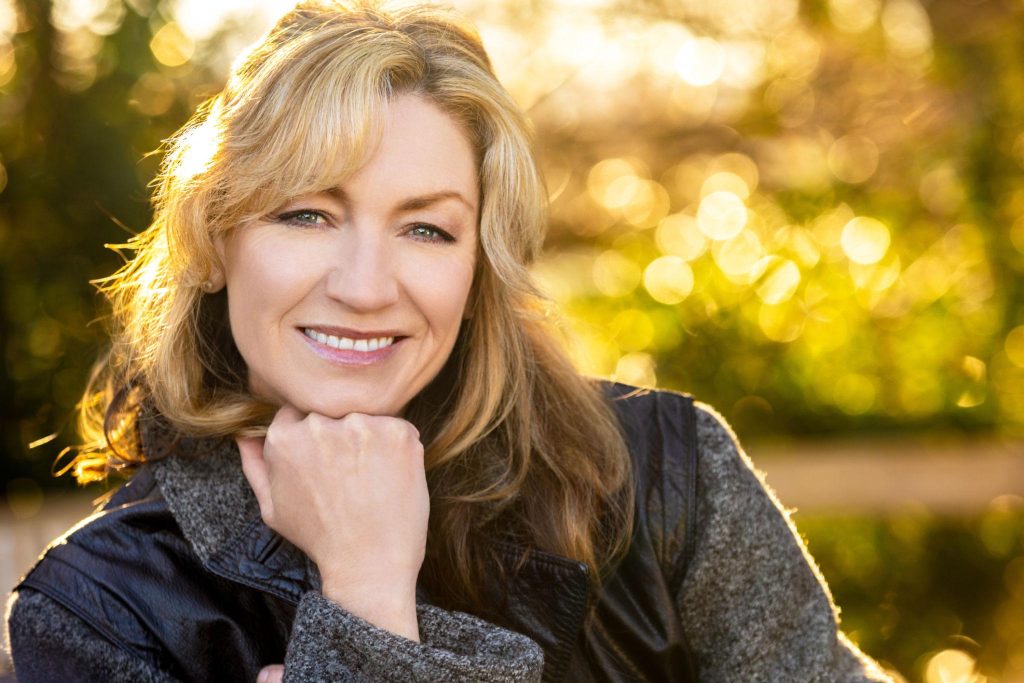
Photo by Kier in Sight Archives on Unsplash
Motherhood can change your skin, hair, and energy.
Hair loss, melasma, and dark circles are common and manageable.
Many mothers experience:
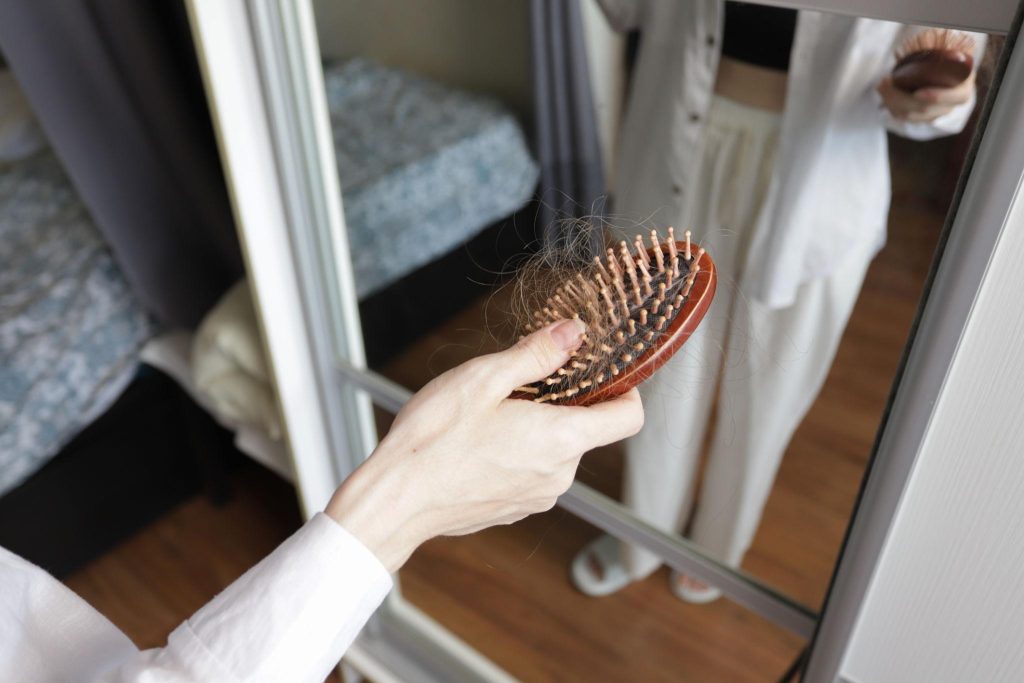
- Hair thinning or shedding
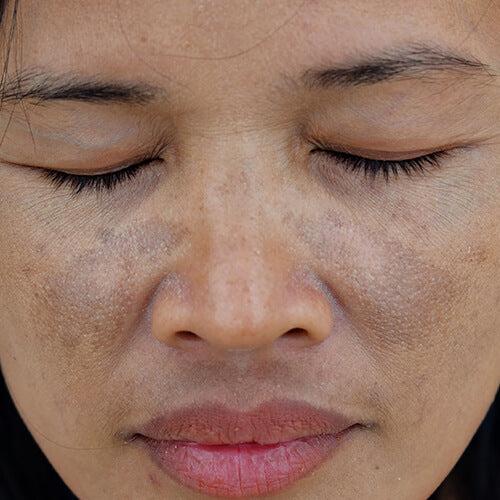
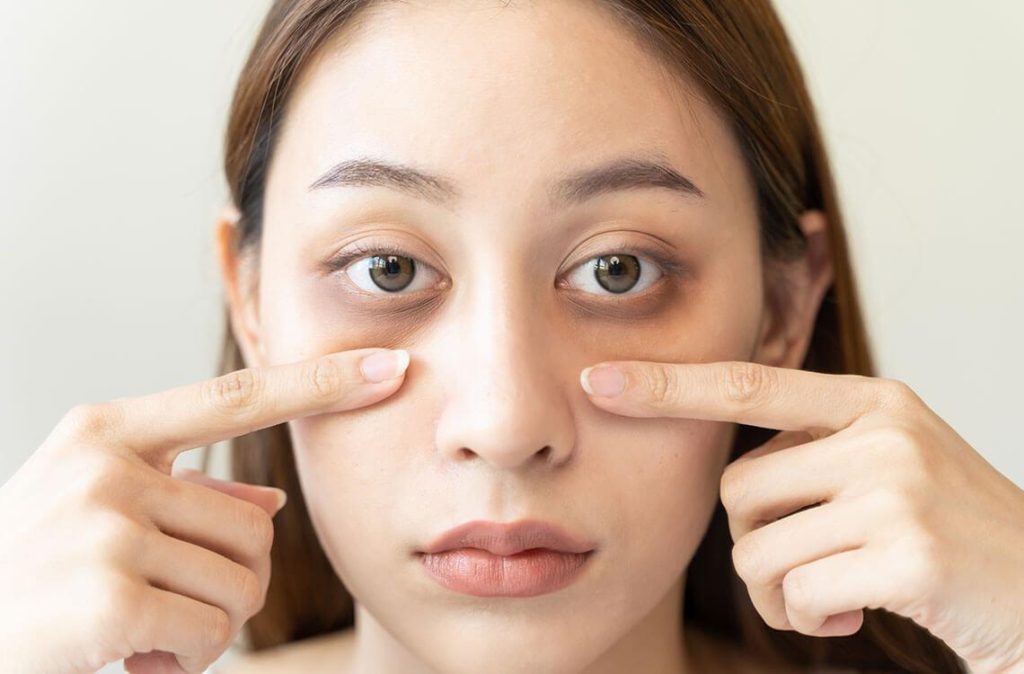
- Melasma and uneven skin tone
- Dark circles and puffiness
These changes are normal.
WHY IT HAPPENS
Hormones shift.
Stress increases.
Sleep changes.
👉 Your body is adapting.

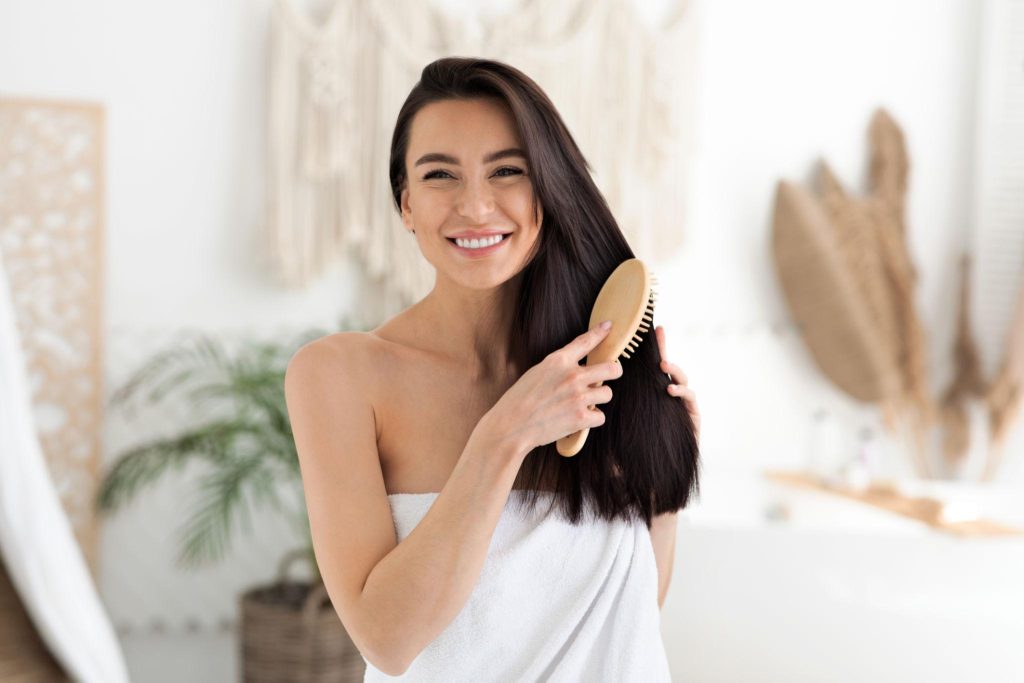
HAIR CARE
Support hair health with:
- Gentle styling
- Enough protein
- Checking iron if shedding continues
Hair loss often improves with time.
SKINCARE FOR MELASMA
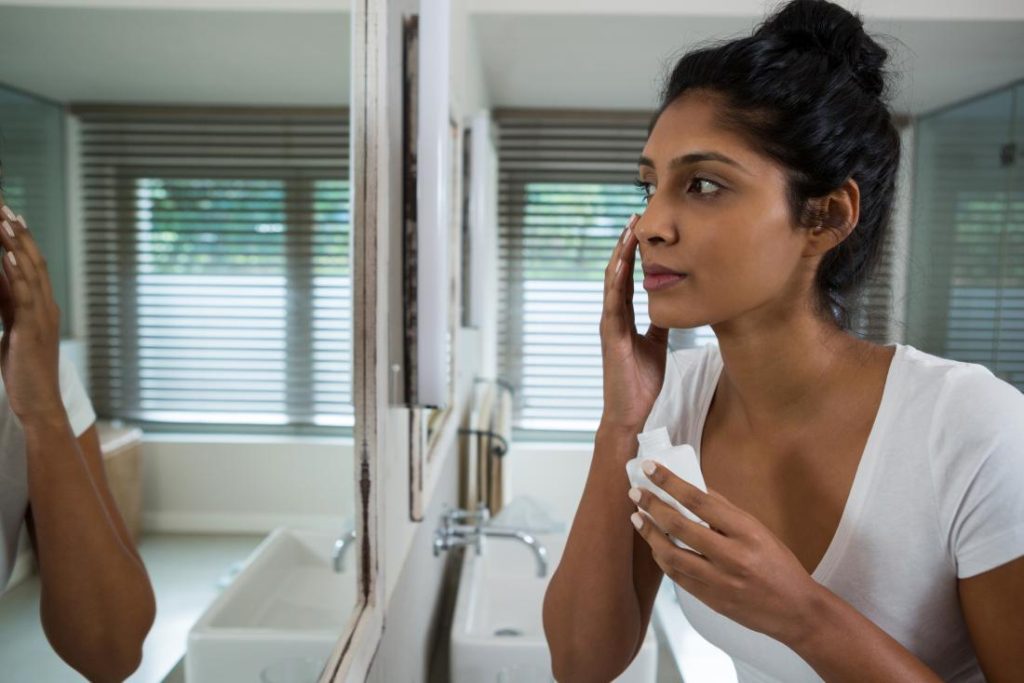
For melasma and pigmentation:
• Use sunscreen daily
• Try vitamin C or niacinamide
• Limit sun exposure
Consistency is key.



DARK CIRCLES & PUFFINESS
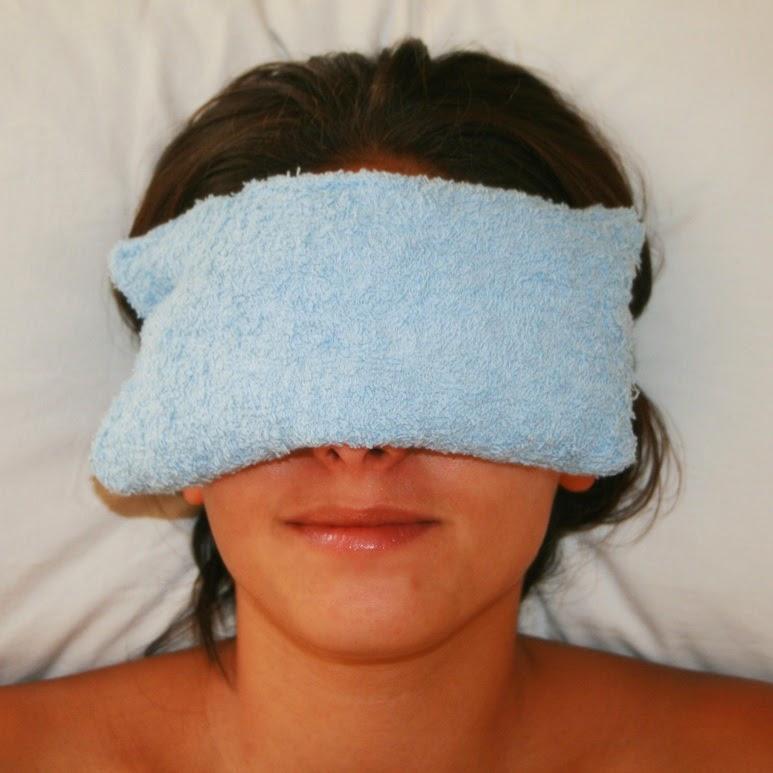
Dark circles and puffiness improve with:
- Better sleep
- Hydration
- Cold compress or eye care
Sometimes, rest is the best skincare.



SENSITIVE SKIN & ECZEMA
For sensitive skin or eczema:
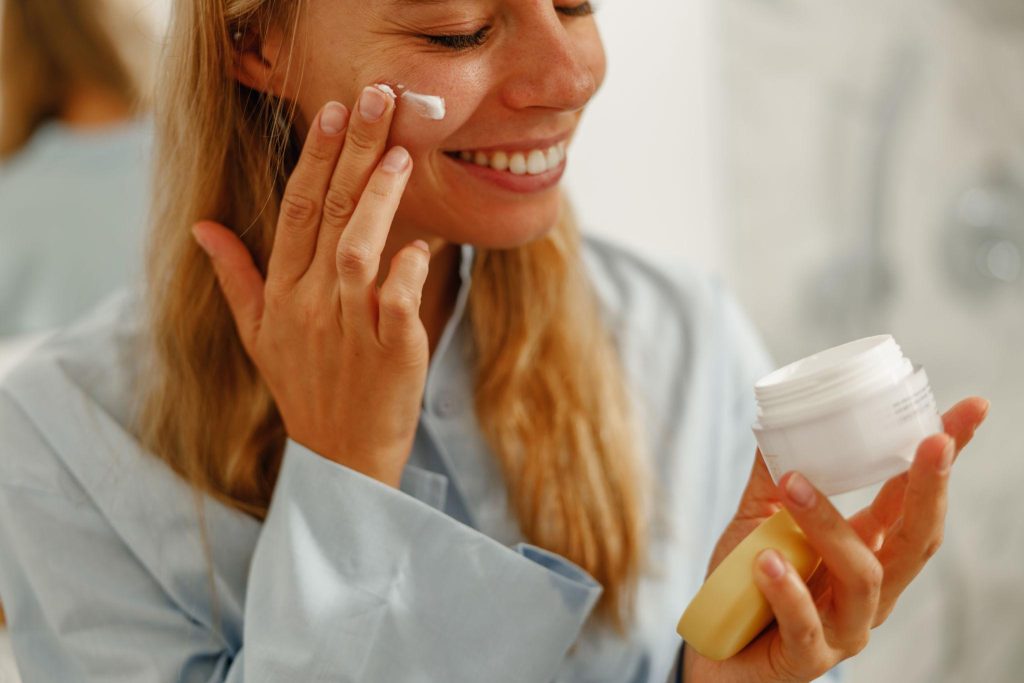
• Use gentle, fragrance-free products
• Moisturize regularly
• Avoid harsh ingredients
Keep it simple.

SELF-CARE SHIFT
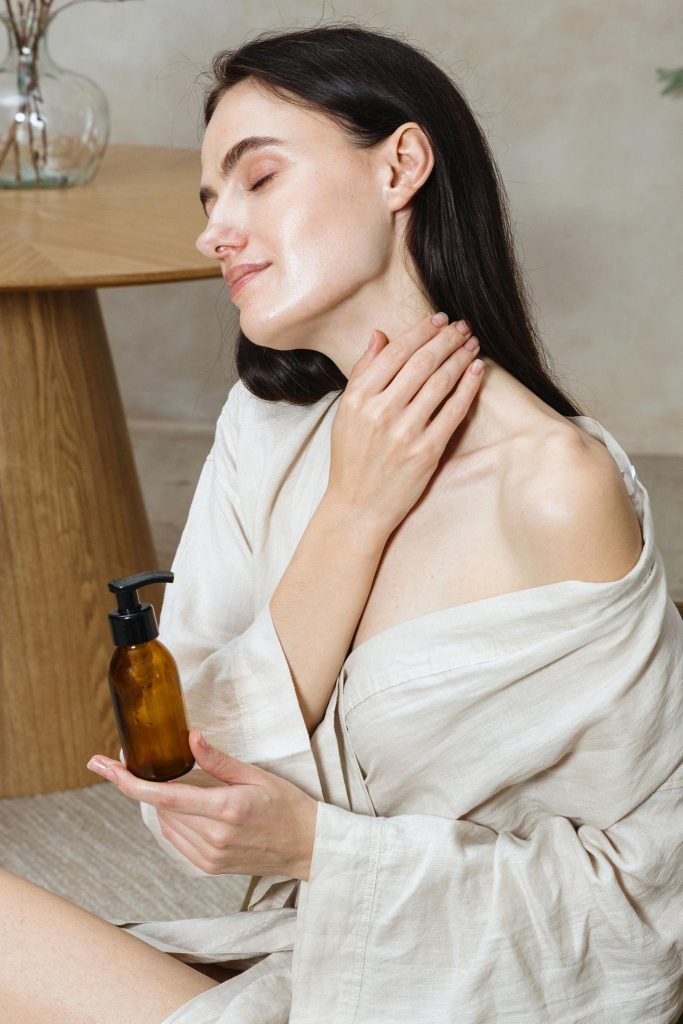
Self-care is caring about yourself more.
It’s about doing what helps.
DISCOVER: PCOS, Fatigue, and Chronic Pain: What Women Need to Know



DAILY HABITS
Support your beauty and wellness with:
- Movement
- Balanced meals
- Hydration
- Rest
Small habits make a difference.





JOYFUL WELLNESS SIGNATURE
Beauty is hardly how you look.
It’s how you feel.
When you take care of yourself,
you feel stronger, more confident, and more at ease.

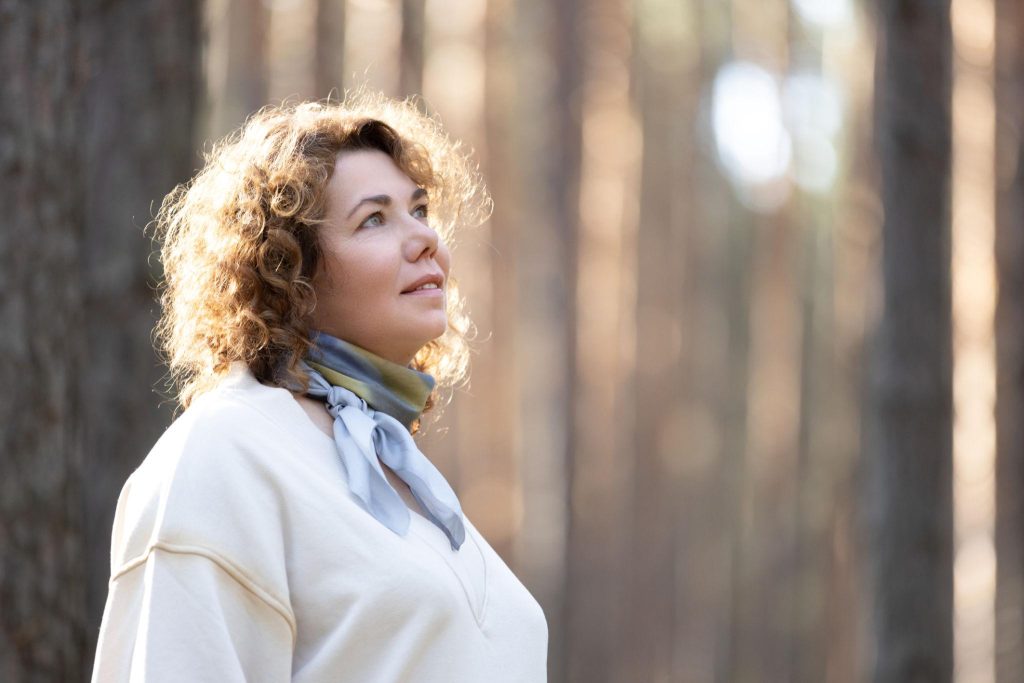
Beauty is part of wellness.
Care for yourself, consistently, simply, and kindly.
Cover photo by Alexas_Fotos on Unsplash, article photos are AI generated
Sources:
- American Academy of Dermatology — Hair loss, melasma, eczema guidance
- Mayo Clinic — Postpartum changes, skin and hair health
- Harvard Medical School — Stress, cortisol, and skin
- National Institutes of Health — Skin physiology and hormonal effects