

Learning to begin again when the body changes quietly
I shall call it a season no one really prepares you for.
Different from when they prepare you for motherhood, with books, advice, stories passed down in fragments. This one arrives and slips in between responsibilities. It settles into the body while life continues as it always has.
You are still a mother. Still showing up. Still answering to the needs of others.
But something is shifting and at first, you cannot quite name it.
You wake up tired, even after sleep.
You forget things you once held easily.
Your patience feels thinner. Your body, unfamiliar.
And perhaps the most disorienting part is this:
there are changes you can see, and many you carry quietly within.
No one really asks how you are.
Because from where they stand, you are still you.
Still capable. Still dependable. Always the one who knows what to do.
But inside, you are learning your body all over again.
READ: Hidden Health Risks During Perimenopause: What You Need to Know and How to Act
There were days I thought something was wrong with me.
Not seriously wrong, but enough to make me wonder. Why am I this tired? Why does everything feel heavier? And why does rest not feel like rest?
It took time and a certain gentleness with myself to understand that this, too, is a passage.
There is nothing seriously wrong, the body is simply changing.
Menopause, I’ve come to understand, is more than just hormones.
It is about letting go of a version of yourself you thought would always be there.
The body you knew.
Or the rhythm you relied on.
The energy you did not have to question.
And in its place, something different begins.
You start to listen more closely.
To what your body needs now, unlike what it used to need.
Movement, for instance, becomes less about intensity and more about support.
I have learned to choose:
- walking, slowly, without urgency
- light movements, to keep the body steady and strong
- gentle stretching or yoga, especially on days when everything feels tight
There is something grounding about simply moving, without pressure, without expectation.
Rest, too, becomes intentional.
Not just sleep, but moments of pause:
- sitting by a window in the morning
- breathing deeply, even for a few minutes
- allowing the body to be still without guilt
I used to think rest had to be earned.
Now I understand it is something the body quietly asks for and deserves.
There are other small things that begin to matter more:
- Drinking water regularly, even when you forget
- Eating in a way that feels steady, not restrictive
- Stepping away from screens at night, when sleep feels fragile
- Finding calm where you can, through prayer, reflection, or simply silence
These are trivial changes.
But they help.
Some days are still difficult.
There are moments of irritability, of sadness that comes without a clear reason. Days when energy is low, when you feel unlike yourself.
But there are also days when you feel… clearer.
Not the same, but not lost either.
What no one tells you is this:
There is something being built in this season.
An unfamiliar strength.
A quieter kind.
The kind that comes from understanding your limit and choosing to care for yourself anyway.
And perhaps, this is where it meets motherhood again.
Because for so long, you have cared for others instinctively.
Now, slowly, you begin to turn that same care inward.
Small steps. Trying to find some balance.
Just enough.
If there is one thing I hold onto, it is this:
This will pass.
Not in the sense that it disappears, but in the way all seasons move forward.
And on the other side, there is not a lesser version of you.
There is a woman who knows herself differently.
Who has endured quietly.
Who has learned to listen.
We dislike to speak of this season often.
But we should.
Because no woman walks through it unchanged.
And no woman walks through it without strength, even when she does not feel strong.
And when it is over,
or even as it softens,
you may find that what remains goes far from loss
Something steadier.
Something real.
That thing that was always yours,
waiting to be recognized.
Editor’s Note:
This article is for general information only and does not replace professional medical advice. Please consult your healthcare provider for personalized care.
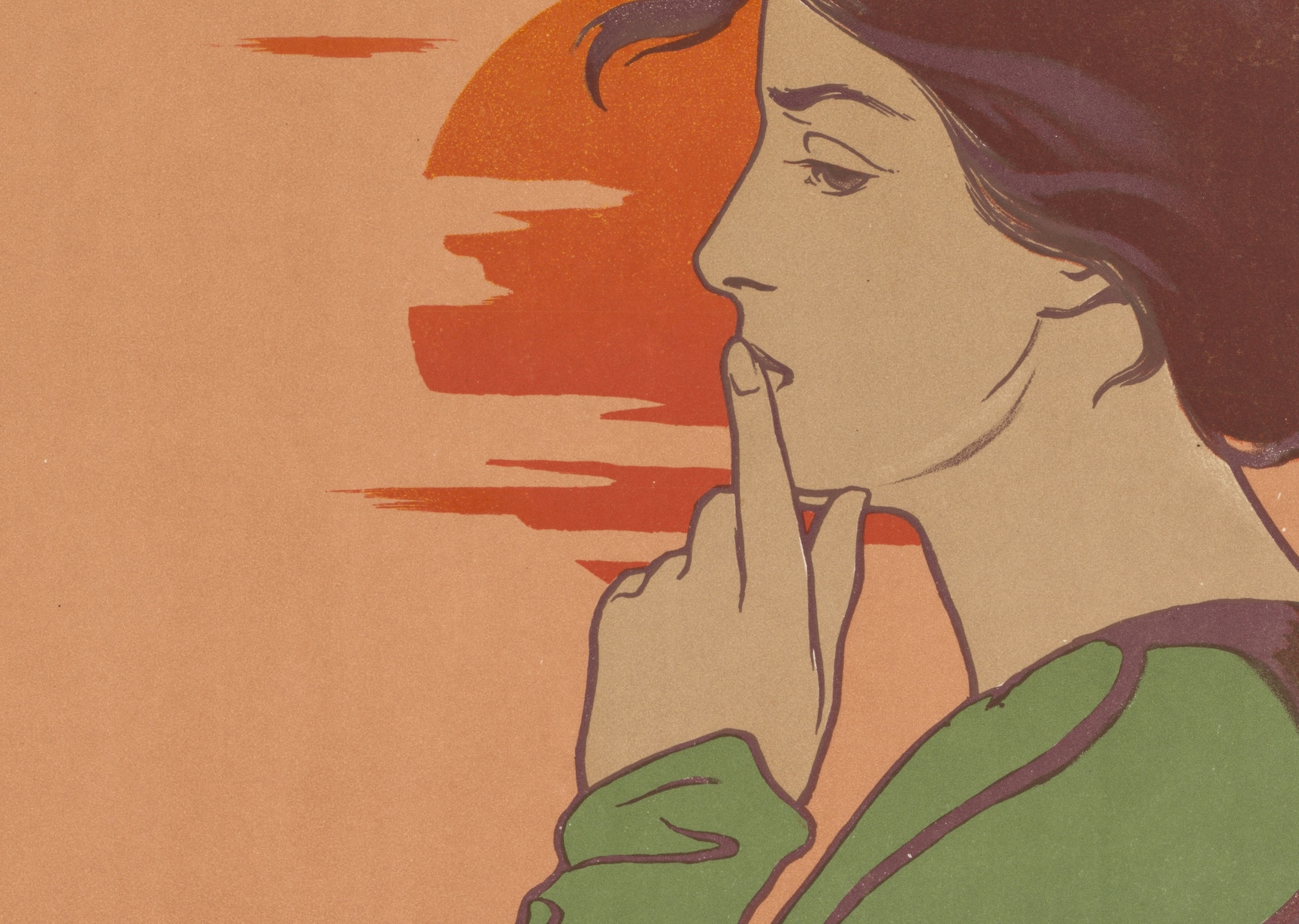
Photo by The Cleveland Museum of Art on Unsplash
Sources & References
The information in this article is based on clinical guidelines and peer-reviewed research on menopause, midlife health, and lifestyle management:
- North American Menopause Society (NAMS). Menopause Practice: A Clinician’s Guide and patient resources on symptoms, hormone changes, and lifestyle approaches.
🔗 https://www.menopause.org - American College of Obstetricians and Gynecologists. Management of Menopausal Symptoms and guidance on hormone therapy, sleep, and long-term health risks.
🔗 https://www.acog.org/womens-health - National Institute on Aging. Menopause: Symptoms, Sleep, and Healthy Aging.
🔗 https://www.nia.nih.gov/health/menopause - Mayo Clinic. Menopause: Symptoms and Causes; lifestyle strategies for sleep, stress, and physical activity.
🔗 https://www.mayoclinic.org/diseases-conditions/menopause - Harvard Medical School. Menopause and Health—evidence-based insights on hormone changes, metabolism, and preventive care.
🔗 https://www.health.harvard.edu - World Health Organization. Women’s Health and Aging—global perspective on midlife health and well-being.
🔗 https://www.who.int