

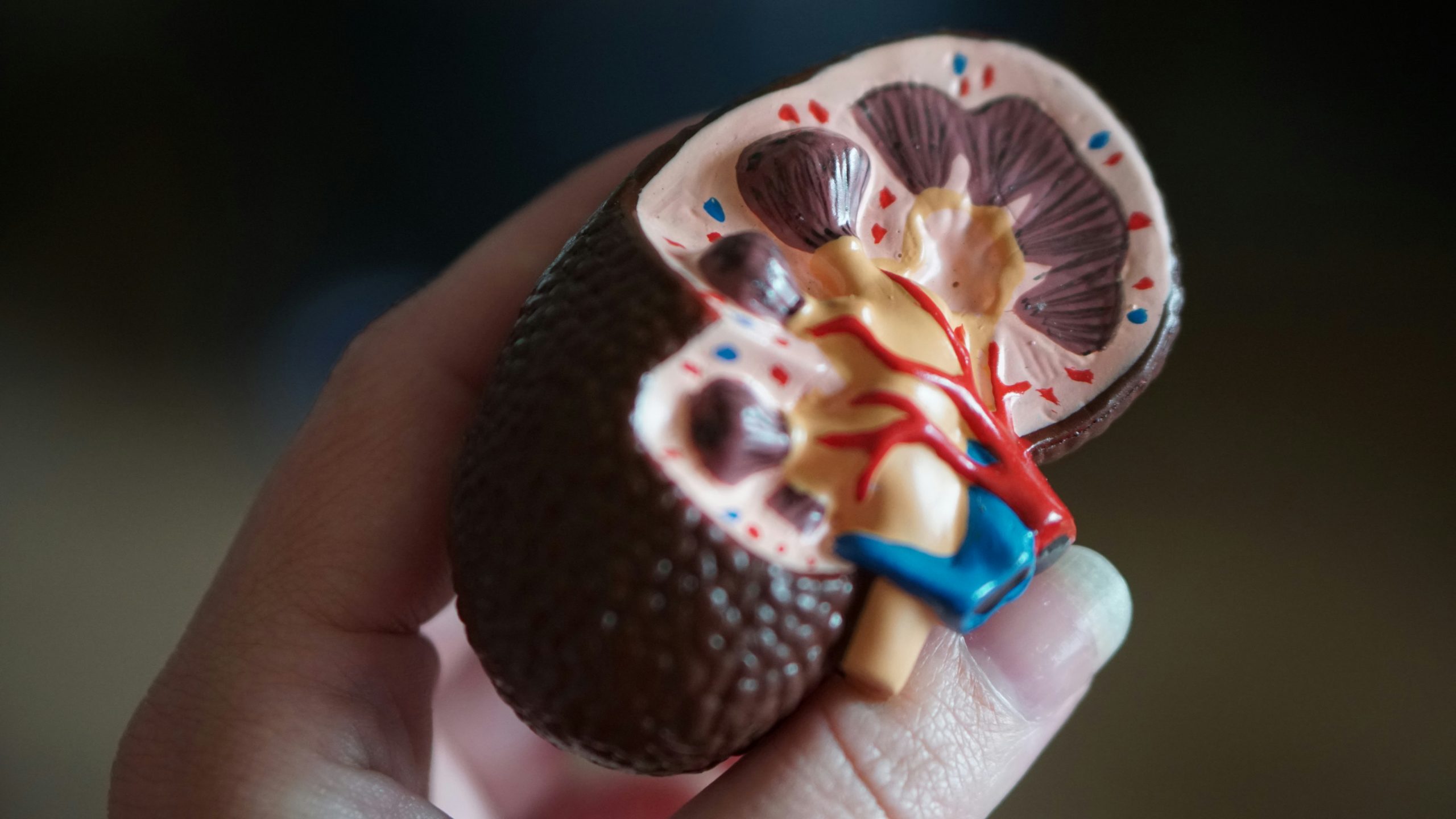
Our kidneys are vital organs, working tirelessly to filter waste and excess fluid from our blood, maintaining a healthy balance within our body.
They also produce hormones that regulate blood pressure and red blood cell production. Understanding their function is the first step toward protecting them.
Key Functions of Kidneys:
- Waste Removal: Filtering waste products like urea and creatinine from the blood.
- Fluid Balance: Regulating the amount of water in your body.
- Blood Pressure Regulation: Producing hormones that control blood pressure.
- Red Blood Cell Production: Producing erythropoietin, a hormone that stimulates red blood cell production.
- Bone Health: Activating vitamin D, essential for strong bones.
Preventing Kidney Disease: Proactive Steps for a Healthy Future
Many cases of kidney disease are preventable through lifestyle modifications. Taking proactive steps is crucial for safeguarding your kidney health.
Lifestyle Changes to Protect Your Kidneys:
- Maintain a Healthy Weight: Obesity increases the risk of kidney disease.
- Manage Blood Sugar: Diabetes is a leading cause of kidney failure. Regular blood sugar monitoring and management are essential.
- Control Blood Pressure: High blood pressure damages blood vessels in the kidneys. Regular checkups and medication (if needed) are crucial.
- Limit Salt Intake: Excessive salt intake raises blood pressure, increasing kidney strain.
- Stay Hydrated: Drinking plenty of water helps flush out waste products.
- Don’t Smoke: Smoking damages blood vessels throughout the body, including the kidneys.
- Regular Exercise: Physical activity helps maintain a healthy weight and blood pressure.
- Healthy Diet: A balanced diet low in sodium, saturated fats, and processed foods is beneficial.
Managing Chronic Kidney Disease (CKD): A Comprehensive Approach
Chronic kidney disease (CKD) develops gradually, often without noticeable symptoms in its early stages.
Early detection and management are vital to slow progression and improve quality of life.
Managing CKD Involves:
- Regular Checkups: Monitoring kidney function through blood and urine tests.
- Medication: To manage blood pressure, blood sugar, and other related conditions.
- Dietary Changes: Restricting protein, potassium, phosphorus, and sodium intake.
- Dialysis: A treatment that filters waste products from the blood when kidneys fail. There are two main types: hemodialysis (using a machine) and peritoneal dialysis (using the lining of the abdomen).
- Kidney Transplant: A surgical procedure to replace a damaged kidney with a healthy one from a donor.
National Kidney Month Resources: Where to Find Support and Information
National Kidney Month serves as a reminder to prioritize kidney health.
Numerous resources are available to help you learn more and access support:
- Kidney Foundation of the Philippines
- National Kidney and Transplant Institute (NKTI)
- Philippine Society of Nephrology
Prioritize Your Kidney Health
Protecting your kidneys is an investment in your overall health and well-being. By making informed choices and seeking regular medical care, you can significantly reduce your risk of kidney disease and improve your chances of managing chronic conditions effectively.
This National Kidney Month, take the time to learn more and prioritize your kidney health.
DISCLAIMER
This article provides general information and does not constitute medical advice. Consult your healthcare provider for personalized recommendations. If symptoms persist, consult your doctor.
Photo by Robina Weermeijer on Unsplash