
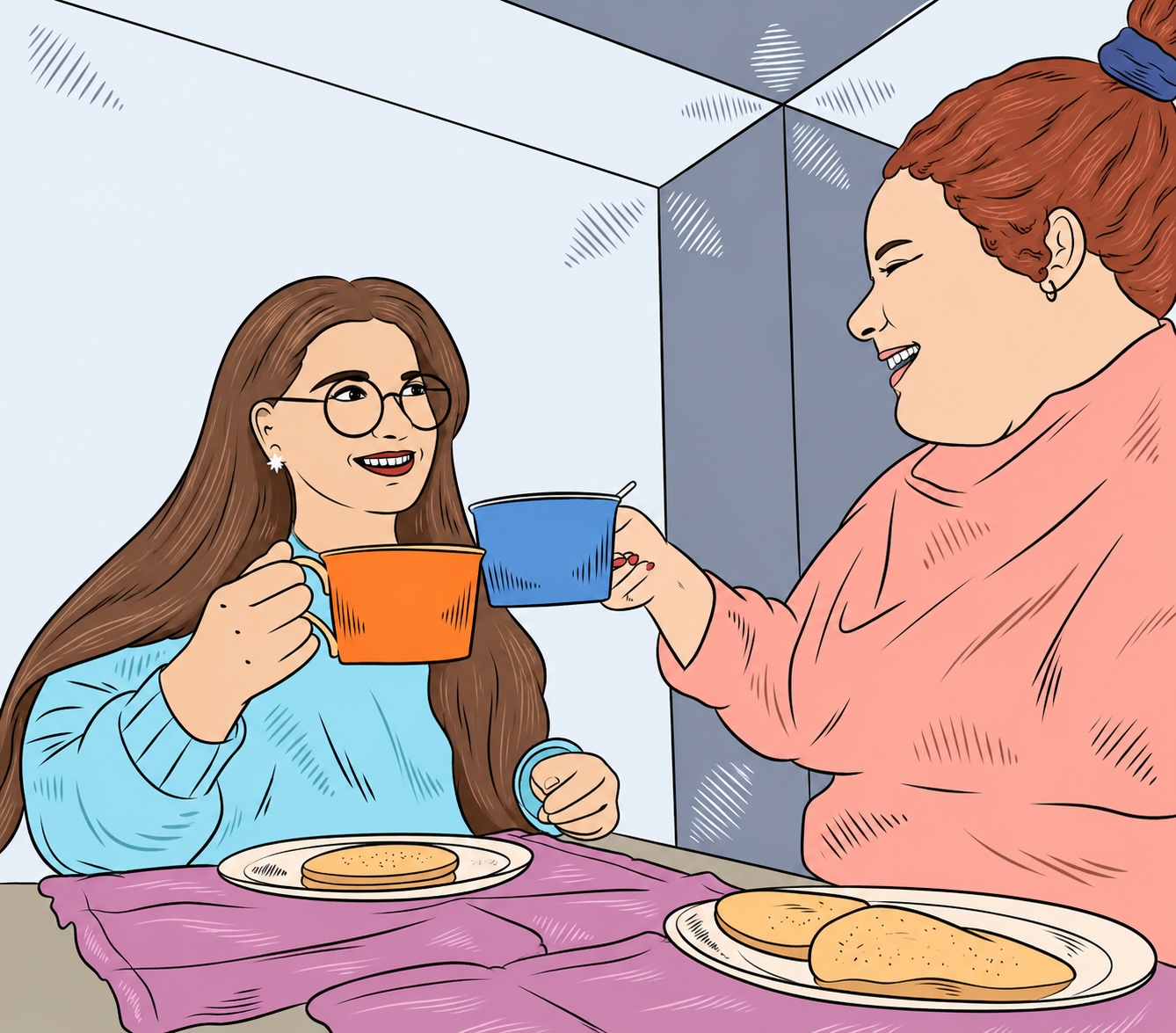
Two friends, one lunch order: grilled chicken, vegetables and perhaps one scoop of ice cream.
They eat the same amount, but one leaves the table feeling satisfied while the other feels sluggish, hungry again within hours, or experiences a noticeable rise in blood sugar.
It is tempting to conclude that one person has more discipline than the other. But food intake and calorie count are only part of the many factors that influence how our bodies respond to food and how our weight changes over time.
What Are Calories?
A calorie is a unit of energy. On food labels, it is commonly expressed as a kilocalorie (kcal), which tells us how much energy a food or drink provides. The body uses this energy for everything from breathing and maintaining body temperature to digesting food, keeping the heart beating and moving throughout the day.
When a person consistently consumes more energy than the body uses, some of the excess may be stored, often as body fat. This is the basis of the familiar concept of calories in, calories out.
Energy balance remains important in understanding weight. However, calorie counts cannot tell us everything about a food’s nutritional value or how an individual will respond to it.
Two foods with similar calorie counts may differ in protein, fiber, fat and nutrient content. These differences can influence digestion, fullness and blood-glucose responses. Likewise, two people eating the same meal may experience different metabolic responses.
A calorie is a useful measure of energy, but it cannot describe the entire nutritional needs or metabolic profile of an individual.
Lifestyle vs. Circumstances
Understanding calories gives us a starting point for explaining weight changes. But many other factors influence what happens in our bodies.
Lifestyle is often the first thing that comes to mind. What did you eat? Do you exercise? These are valid questions, but they assume that everyone has the same opportunities to make healthy choices.
In reality, lifestyle is shaped by the circumstances surrounding a person’s daily life. Work schedules, long commutes, financial limitations and access to affordable nutritious food can all influence how people eat, move and care for their health.
The environment in which we live and work can make certain habits easier for some people and more difficult for others.
The Effect of Our Sleeping Habits
Sleep deserves particular attention. A study involving 68,183 women in the Nurses’ Health Study found that those who slept five hours or less gained an average of 1.14 kilograms more over 16 years than those who slept seven hours. Those who slept six hours gained 0.71 kilograms more.
This was an observational study, so it showed an association rather than proving that shorter sleep directly caused the additional weight gain.
Experimental research offers another perspective. A systematic review and meta-analysis of 17 studies found that partial sleep deprivation increased energy intake by an average of 385 calories compared with control conditions, without a corresponding significant increase in energy expenditure.
When someone is exhausted, the issue may not simply be a lack of discipline. Insufficient sleep can influence hunger, appetite and food preferences, making energy-dense foods more appealing. It can also make it harder to maintain regular exercise and meal routines.
Sometimes, the challenge is not a lack of knowledge about healthy habits, but a lack of rest, time or support.
The Inevitability of Stress
For many Filipinos, stress is an inevitable part of life, and its effects can extend beyond emotional well-being. When someone is under prolonged stress, food may become a source of comfort or temporary relief.
Research suggests that stress does not affect everyone’s appetite in the same way. Acute stress may suppress appetite in some people, while chronic stress can contribute to increased cravings and consumption of highly palatable, energy-dense foods.
Harvard T.H. Chan School of Public Health explains that prolonged stress can activate hormonal and physiological responses involving cortisol. It can also disrupt sleep and make it harder to prepare balanced meals or maintain healthy eating habits.
The result is not simply a matter of willpower. Stress can influence both the body’s physiological responses and the everyday decisions that shape eating patterns.
Why Our Bodies Respond Differently
Of the many factors influencing weight, genetics is one over which we have little control.
Genes can influence appetite, feelings of fullness, fat storage and distribution, and how the body regulates energy. They may also affect a person’s tendency toward physical activity.
However, genetics do not determine a person’s weight on their own. Obesity is a complex condition influenced by many genes interacting with lifestyle, environment and other biological factors.
Research also suggests that individual metabolic responses to food can vary considerably. In the 2020 PREDICT 1 study, researchers examined 1,002 twins and unrelated adults and found substantial differences in blood-glucose, insulin and triglyceride responses after participants ate identical meals.
The findings suggest that factors such as individual physiology, gut microbiome characteristics and meal composition can influence how the body responds to food. They also help explain why a single dietary approach may not produce identical results for everyone.
Importantly, differences in blood-glucose responses do not automatically translate into differences in long-term weight gain.
How Health Conditions Affect the Body
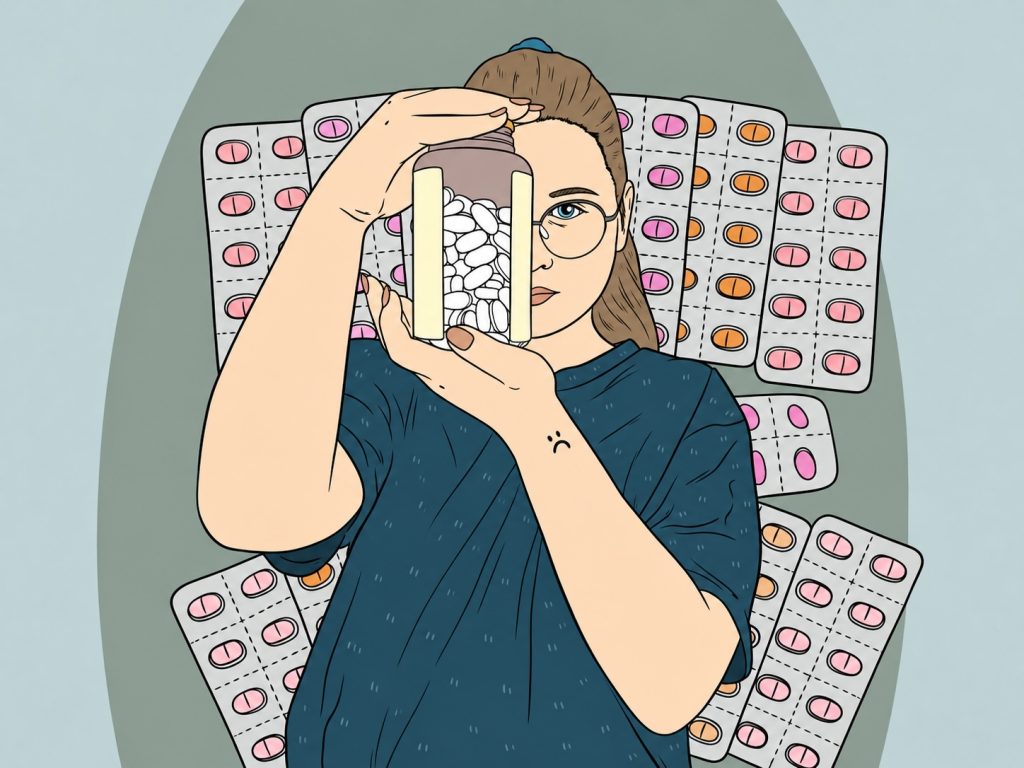
Genetics also intersect with health conditions. Polycystic ovary syndrome (PCOS), hypothyroidism, depression, sleep disorders and other chronic conditions may influence appetite, energy levels, metabolism or weight regulation.
Medications can contribute to weight changes, too. According to the US National Institute of Diabetes and Digestive and Kidney Diseases (NIDDK), some corticosteroids, epilepsy medications, antidepressants and antipsychotics, as well as certain diabetes and blood-pressure medicines, may affect appetite or energy balance.
This does not mean people should stop taking prescribed medication because of concerns about weight. Anyone experiencing unexplained changes should discuss possible side effects and alternatives with their healthcare professional.
Understanding the Bigger Picture
This article does not aim to discourage people from maintaining active lifestyles or taking medication to manage existing health conditions. Rather, it invites readers to ask: What else might be affecting my body’s response to food? What factors contribute to changes in my weight?
Calories and energy balance remain important, but they are not the whole story. Sleep, stress, genetics, health conditions, medication and access to nutritious food all contribute to the bigger picture.
The goal is not to count every calorie with fear or treat every change in weight as a personal failure. It is to recognize that food is more than fuel, and that our bodies do not all respond in exactly the same way.
By understanding these differences, we can approach nutrition, weight and overall health with greater curiosity, patience and care.
*Photo by Sara Oliveira for Unsplash+
Editorial Note
Joyful Wellness provides general, science-informed health information to help readers make informed decisions about their well-being. Our content is intended for educational purposes and does not replace professional medical advice. For personal health concerns or symptoms, readers are encouraged to consult a licensed healthcare professional.
References
- NIDDK – Factors Affecting Weight and Health. Read the NIDDK resource.
- Patel et al. (2006). Association between Reduced Sleep and Weight Gain in Women. American Journal of Epidemiology. Read the study.
- The Effects of Partial Sleep Deprivation on Energy Balance: A Systematic Review and Meta-analysis (2016). Read the research.
- Berry et al. (2020). Human Postprandial Responses to Food and Potential for Precision Nutrition. Nature Medicine. Read the study.
- Harvard T.H. Chan School of Public Health – Stress and Health. Read the resource.
- CDC – Risk Factors for Obesity (2025). Read the resource.